Korean flavor

Learn about Korean food ingredients and how they are used in cooking. Discover Korean sauces, spices, seafood, and traditional foods with guides in English, Vietnamese, and Korean.

About

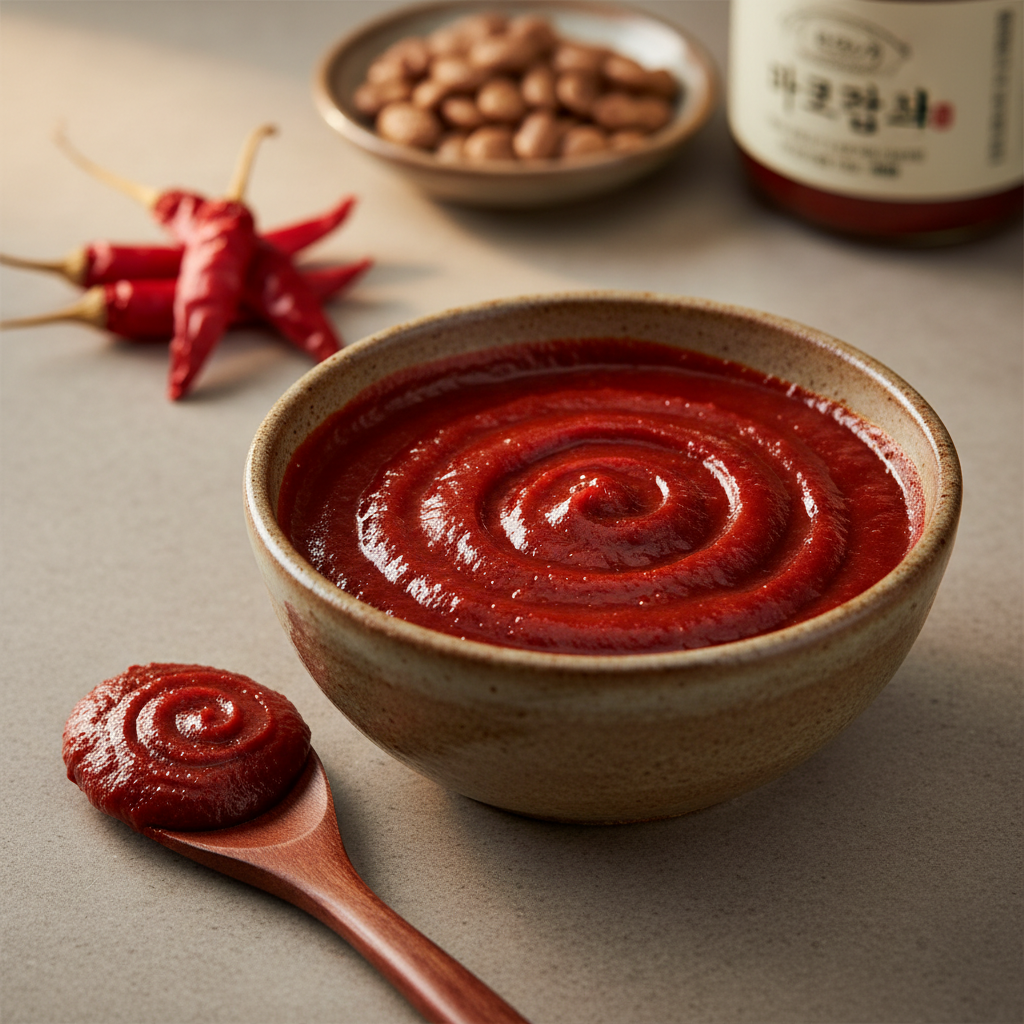
A close-up photographic image of a rustic ceramic bowl filled with glossy, deep red gochujang paste, its surface showing subtle ridges and swirls that reveal its thick, sticky texture. The bowl rests on a smooth, neutral-toned stone countertop, with a small wooden spatula coated in gochujang lying beside it. In the softly blurred background, dried red chili peppers, a small dish of fermented soybeans, and a faintly visible Korean label on a jar hint at the sauce’s origins. Soft studio lighting from the upper left creates gentle highlights on the paste and delicate shadows beneath the bowl, creating a professional, informative mood. Shot from a slightly elevated angle with shallow depth of field to emphasize the richness and detail of the ingredient.

Korean Ingredient Guide

Discover essential Korean ingredients, from sauces to seafood, with multilingual guides that help cooks of all backgrounds understand origins, uses, and substitution options.

Our Mission

Korean Ingredients Guide aims to demystify Korean flavors for English, Vietnamese, and Korean readers, sharing clear explanations, practical tips, and authentic cooking inspiration.
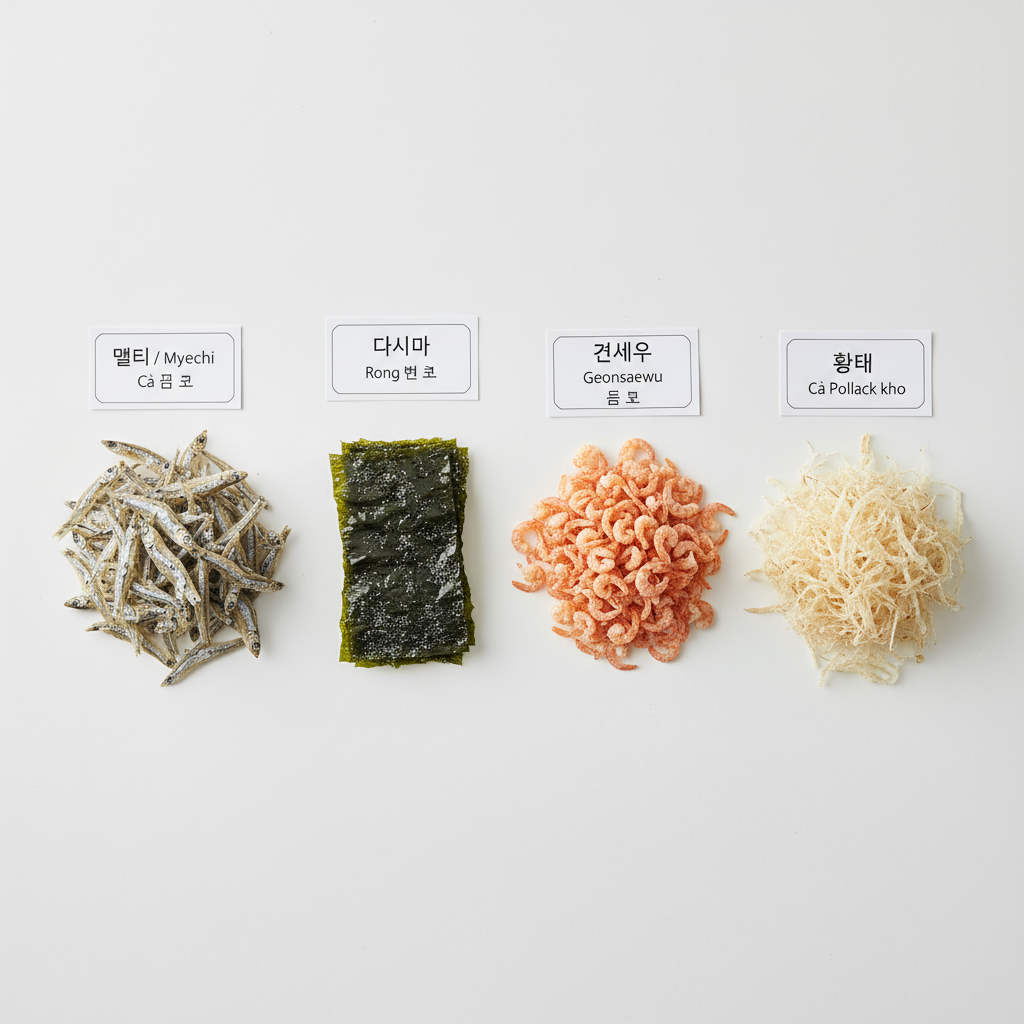
A clean, modern overhead photographic shot of classic Korean dried seafood ingredients arranged on a matte white background for an educational guide. Meticulously separated piles of dried anchovies, kelp (dashima), tiny shrimp, and dried pollock reveal intricate textures, silvery sheens, and subtle beige and green hues. Small, minimalist cards with neat Korean, English, and Vietnamese names are placed beside each group. Soft, diffused studio lighting eliminates harsh shadows, creating a clear, clinical yet inviting feel. The composition is carefully balanced with ample white space, emphasizing clarity and organization. The mood is professional and informative, ideal for explaining how these ingredients are used to make flavorful broths and stocks in Korean cooking.
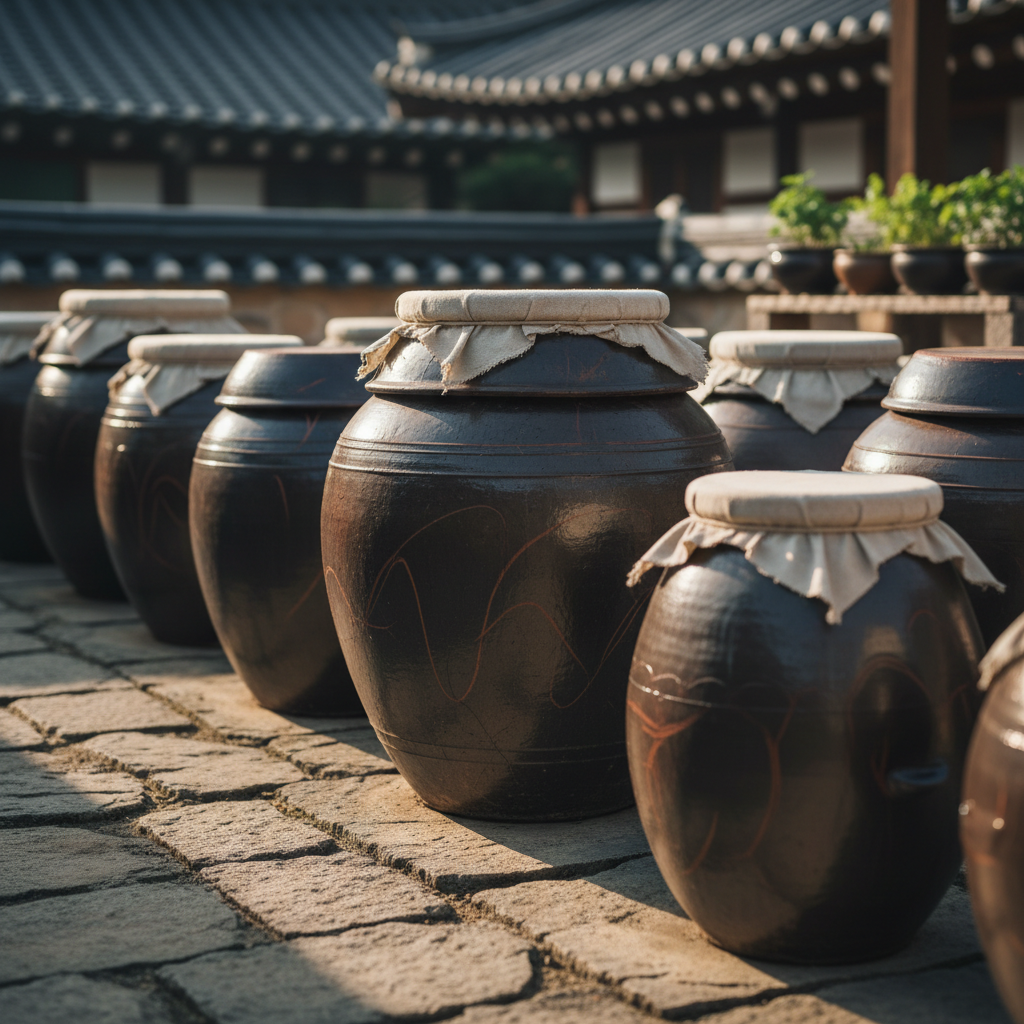
A photographic realism scene of traditional Korean jangdok (fermentation crocks) arranged in an orderly cluster on a stone courtyard, each dark brown earthenware jar showing unique glaze variations, subtle cracks, and hand-tied cloth covers. Dewy morning light falls across the jars, creating soft reflections on their curved surfaces and casting elongated shadows on the textured stone floor. In the softly blurred background, tiled hanok rooftops and a few potted herbs suggest a classic Korean setting without drawing focus. Captured at eye level with moderate depth of field, the central jar is in crisp focus while others gradually soften, conveying a calm, time-honored atmosphere that highlights the traditional process of fermenting sauces like doenjang and ganjang.

Origin & Use

Learn where each ingredient comes from and how to choose them. Our guides explain language options and practical kitchen applications for diverse dishes.

정보

Writing on the Wall is a newsletter for freelance writers seeking inspiration, advice, and support on their creative journey.