Introduction
Doenjang is a traditional Korean fermented soybean paste that has been used in Korean cooking for centuries. It is one of the fundamental ingredients in Korean cuisine and is known for its strong savory flavor.
Made from fermented soybeans and salt, doenjang forms the base of many Korean soups, stews, and sauces.
What is Doenjang Made Of?
Doenjang is traditionally made from fermented soybean blocks called meju. These blocks are created by boiling soybeans, crushing them, and allowing them to ferment.
The fermented soybeans are then aged in salt water. During this process soy sauce separates as liquid while the remaining paste becomes doenjang.
What Does Doenjang Taste Like?
Doenjang has a very strong savory taste with deep umami flavor. It is saltier and more pungent than Japanese miso.
Because of its powerful flavor, only a small amount is needed to enhance soups and sauces.
Popular Korean Dishes That Use Doenjang
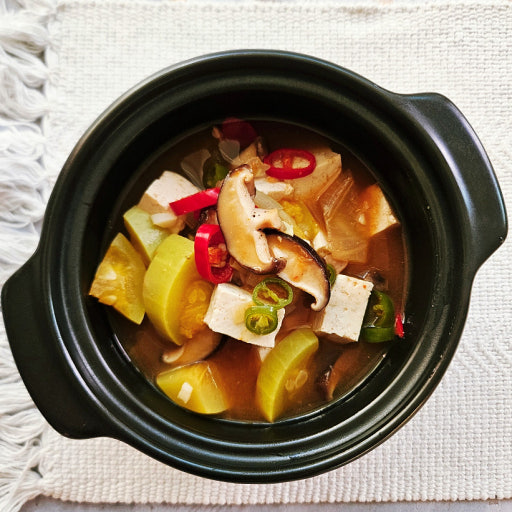
Doenjang Jjigae
A traditional Korean soybean paste stew made with tofu, vegetables, and pork.
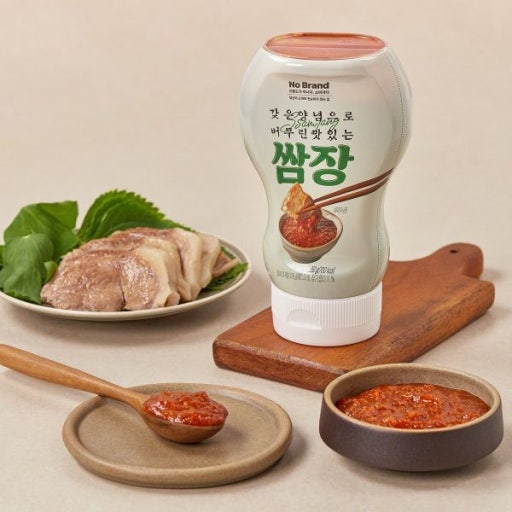
Ssamjang
A Korean barbecue dipping sauce made by mixing doenjang with gochujang.
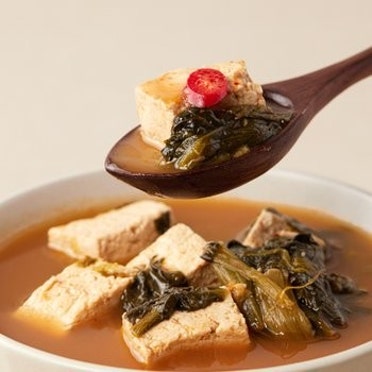
Doenjang Soup
Many Korean vegetable soups use doenjang as the base seasoning.
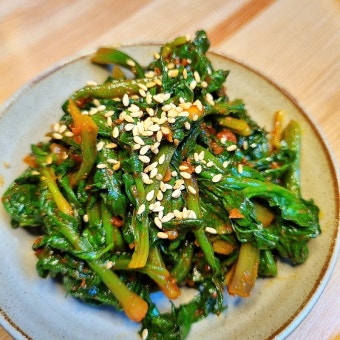
Seasoned Vegetable Dishes
Doenjang is sometimes used to season vegetable side dishes.
Where to Buy Doenjang
United States
H-Mart
https://www.hmart.com/search?type=product&q=doenjang
Amazon
https://www.amazon.com/s?k=doenjang
Walmart
https://www.walmart.com/search?q=doenjang
Canada
H-Mart Canada
https://www.hmart.ca
Amazon Canada
https://www.amazon.ca/s?k=doenjang
Europe
Sous Chef
https://www.souschef.co.uk/search?q=doenjang
Oriental Mart
https://www.orientalmart.co.uk/search?type=product&q=doenjang
Asia Market
https://www.asiamarket.ie/?s=doenjang
How to Store Doenjang
Doenjang should be stored in the refrigerator after opening. Because it is a fermented food, it can last for a long time when stored properly.
Keeping the paste in an airtight container helps maintain its flavor and freshness.
Conclusion
Doenjang is a traditional Korean fermented soybean paste that plays a central role in Korean cooking. Its deep savory flavor makes it an essential ingredient for soups, sauces, and many traditional Korean dishes.
 Korean Ingredients Guide