
Introduction
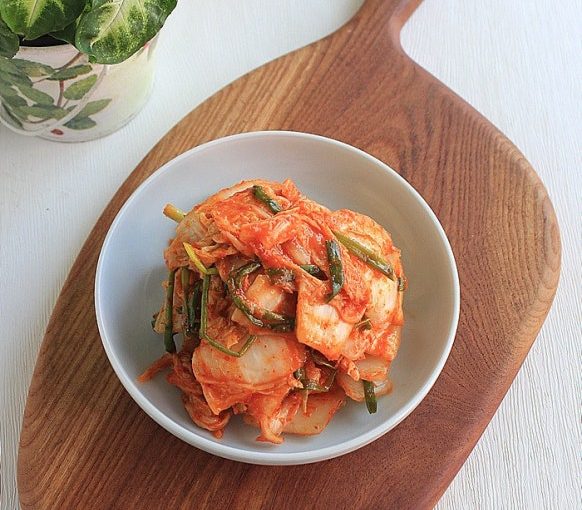
Kimchi is one of the most famous foods in Korean cuisine. It is a traditional fermented vegetable dish most commonly made with napa cabbage, Korean chili pepper flakes, garlic, ginger, and salt. Kimchi has been a staple food in Korea for centuries and is known for its bold flavor and probiotic fermentation.
Today kimchi is eaten all over the world and is considered one of the most iconic Korean foods.
What is Kimchi Made Of?
Traditional kimchi is made using napa cabbage that has been salted and mixed with seasoning ingredients. These ingredients usually include Korean chili pepper flakes (gochugaru), garlic, ginger, salted seafood, and salt.
After the ingredients are mixed, the kimchi is left to ferment. During fermentation beneficial bacteria develop and create the sour and complex flavor that kimchi is known for.
What Does Kimchi Taste Like?
Kimchi has a unique flavor that combines sourness, spice, saltiness, and umami. Fresh kimchi tends to be crunchy and mildly spicy, while fermented kimchi becomes more sour and deeper in flavor.
Because fermentation continues over time, kimchi changes its taste as it ages.
Popular Korean Dishes That Use Kimchi
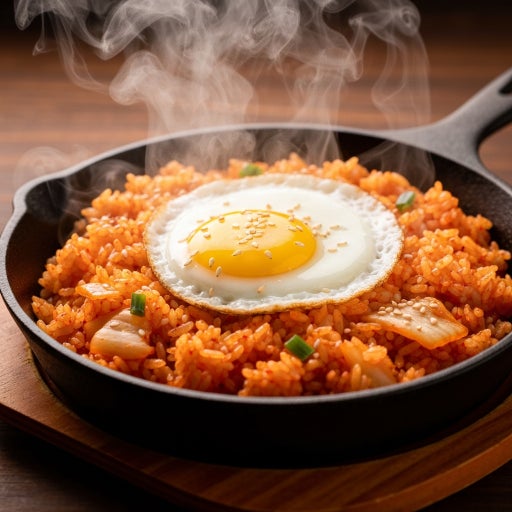
Kimchi Fried Rice (Kimchi Bokkeumbap)
Kimchi fried rice is a classic Korean comfort food. Chopped kimchi is stir-fried with rice, vegetables, and often topped with a fried egg. The fermented kimchi adds a deep savory flavor to the dish.
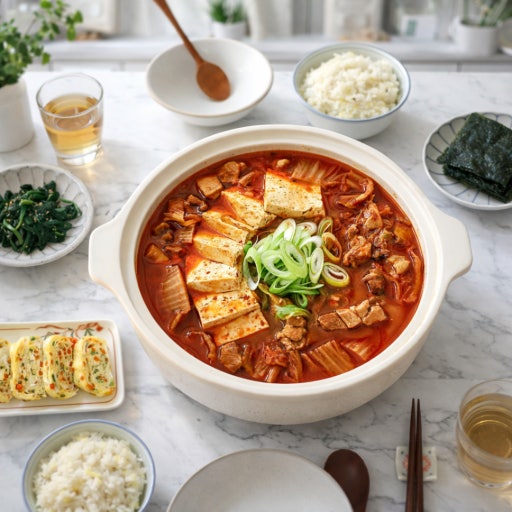
Kimchi Stew (Kimchi Jjigae)
Kimchi jjigae is a traditional Korean stew made with aged kimchi, tofu, pork, and chili paste. The fermented cabbage gives the stew a rich spicy broth.
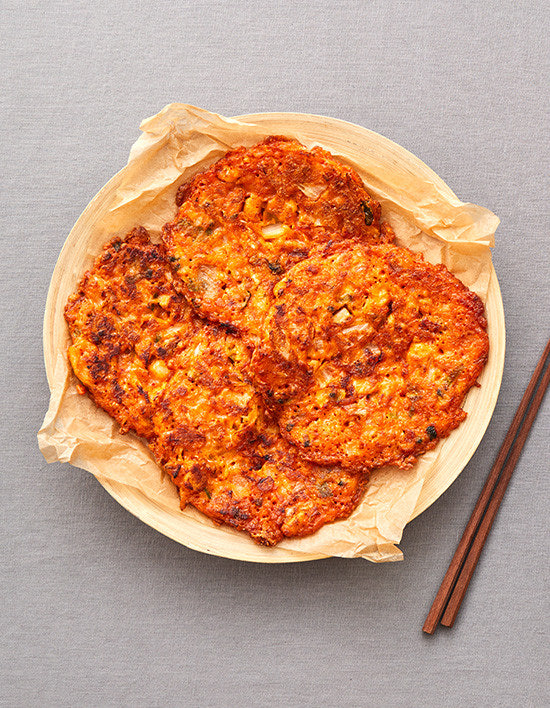
Kimchi Pancake (Kimchi Jeon)
Kimchi jeon is a crispy Korean pancake made by mixing chopped kimchi with flour batter and frying it in oil. It is commonly served as a snack or appetizer.
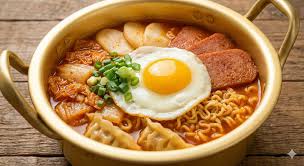
Kimchi Ramen
Kimchi is often added to ramen to create a spicy and sour flavor that enhances the noodle soup.
How to Store Kimchi
Kimchi should be stored in the refrigerator to maintain its freshness and control the fermentation process. Cold temperatures slow down fermentation and help preserve the flavor and texture of the kimchi.
After opening, keep kimchi in an airtight container to prevent strong odors from spreading in the refrigerator. Most store-bought kimchi containers can be sealed tightly, but transferring it to a glass container with a lid can help preserve freshness even longer.
Kimchi continues to ferment over time. Fresh kimchi usually tastes mild and crunchy, while older kimchi becomes more sour and stronger in flavor. Both fresh and aged kimchi are commonly used in Korean cooking.
If kimchi becomes too sour to eat as a side dish, it can still be used for cooking. Aged kimchi is often used in dishes such as kimchi stew, kimchi fried rice, and kimchi pancakes.
Where to Buy Kimchi
Kimchi is now widely available around the world. Many Korean supermarkets and online retailers sell authentic Korean kimchi.
United States
H-Mart (Korean supermarket chain)
https://www.hmart.com/search?type=product&q=kimchi
Amazon
https://www.amazon.com/s?k=kimchi
Walmart
https://www.walmart.com/search?q=kimchi
Canada
H-Mart Canada
https://www.hmart.ca
Amazon Canada
https://www.amazon.ca/s?k=kimchi
Asian grocery stores in cities such as Toronto and Vancouver also sell imported Korean kimchi.
Europe
Sous Chef (UK Asian grocery store)
https://www.souschef.co.uk/search?q=kimchi
Oriental Mart (UK Asian supermarket)
https://www.orientalmart.co.uk/search?type=product&q=kimchi
Asia Market (European Asian food store)
https://www.asiamarket.ie/?s=kimchi
Conclusion
Kimchi is a traditional Korean fermented vegetable dish made with napa cabbage, chili pepper flakes, garlic, and salt. Known for its spicy and sour flavor, kimchi has been a central part of Korean cuisine for centuries.
 Korean Ingredients Guide