What is Yangnyeom Sauce? Korean Sweet and Spicy Chicken Sauce Explained

Introduction

Yangnyeom sauce is a famous Korean sauce most commonly used for Korean fried chicken. The word “yangnyeom” in Korean means seasoned or flavored, and it usually refers to a mixture of sauces and spices used to coat fried chicken.

This sauce is known for its unique balance of sweet, spicy, and savory flavors. It is typically made with gochujang, garlic, sugar, soy sauce, and sometimes ketchup or corn syrup. When combined together, these ingredients create a thick red sauce that perfectly coats crispy fried chicken.

Korean fried chicken has become extremely popular worldwide, and yangnyeom sauce is one of the main reasons for its success. The sauce adds bold flavor and a glossy finish to fried chicken, making it both visually appealing and delicious.

Today, yangnyeom sauce is widely recognized as one of the signature flavors of Korean cuisine.

What is Yangnyeom Sauce Made Of?

Yangnyeom sauce is usually made from a combination of gochujang, garlic, soy sauce, sugar, and sometimes ketchup. These ingredients create a sweet and spicy base that is commonly used for Korean fried chicken.

Gochujang provides the deep red color and chili flavor that defines the sauce. Garlic adds aroma and richness, while soy sauce contributes saltiness and depth. Sugar or corn syrup balances the heat with sweetness.

Some variations of the sauce also include honey, rice syrup, or chili flakes to enhance flavor and texture. The final sauce is usually thick and glossy so it can coat fried chicken evenly.

Because of its balanced flavor, yangnyeom sauce has become one of the most recognizable sauces in Korean food.

What Does Yangnyeom Sauce Taste Like?

Yangnyeom sauce has a bold flavor that combines sweetness, spiciness, and savory richness. The sweetness softens the chili heat, while the garlic and soy sauce add depth.

The sauce is usually thick and sticky, allowing it to coat crispy fried chicken perfectly. When applied to hot chicken, the sauce creates a glossy red layer that is both flavorful and visually appealing.

Because of this strong flavor profile, yangnyeom sauce is widely loved by people who enjoy spicy and sweet foods.

Popular Korean Dishes That Use Yangnyeom Sauce

Yangnyeom Chicken

Yangnyeom chicken is crispy fried chicken coated with sweet and spicy yangnyeom sauce. The sauce gives the chicken a rich flavor and glossy appearance. This dish is one of the most famous Korean fried chicken styles and is often enjoyed with Korean soju.

Korean Fried Chicken

Korean fried chicken is known for its extra crispy texture and flavorful sauces. Yangnyeom sauce is one of the most popular choices used to coat the chicken. Many people enjoy Korean fried chicken as a late-night snack or while drinking Korean soju.

Dakgangjeong

Dakgangjeong is a Korean dish made with bite-sized fried chicken pieces coated in sweet and spicy sauce. The sauce is similar to yangnyeom sauce and creates a crunchy and flavorful coating. Dakgangjeong is also commonly eaten with Korean soju.

Where to Buy Yangnyeom Sauce

Where to Buy Yangnyeom Sauce

Yangnyeom sauce can be purchased from several online stores that sell Korean cooking sauces and ingredients. Many Korean grocery products are now available online, especially through large marketplaces such as Amazon. These sauces are designed specifically for Korean fried chicken and can be used as a coating or dipping sauce.

For example, brands such as Surasang, Funtable, and Foodrella produce Korean fried chicken sauces that closely resemble traditional yangnyeom sauce. These products are commonly used to recreate Korean fried chicken at home and are widely available for international customers. 

United States

Surasang Korean Fried Chicken Sauce
https://www.amazon.com/Surasang-Korean-Chicken-Gochuang-Garlic/dp/B09XB4454F

Funtable Korean Chicken Sauce
https://www.amazon.com/Funtable-Delicious-Korean-Chicken-14-1oz/dp/B098QQ55W5

Canada

Amazon Canada
https://www.amazon.ca/s?k=yangnyeom+sauce

Europe

Delli Market
https://delli.market/products/korean-spicy-chicken-sauce

Oriental Mart
https://www.orientalmart.co.uk

How to Store Yangnyeom Sauce

Yangnyeom sauce should be stored in a sealed container in the refrigerator. Homemade versions are best consumed within one to two weeks.

Store-bought versions may last longer depending on packaging and preservatives. Proper storage helps maintain flavor and freshness.

What is Tteokbokki Sauce? Korean Spicy Rice Cake Sauce Explained

Introduction

Tteokbokki sauce is the spicy and sweet sauce used to make one of Korea’s most famous street foods, tteokbokki. This sauce is usually made with gochujang, sugar, soy sauce, garlic, and sometimes chili flakes. Together, these ingredients create the bold red sauce that coats chewy Korean rice cakes.

Tteokbokki is one of the most popular street foods in Korea. It can be found in street markets, food stalls, and restaurants throughout the country. The sauce is the most important part of the dish because it gives tteokbokki its signature flavor.

Over the years, tteokbokki has become popular worldwide. Many people search for Korean spicy rice cake sauce to recreate the dish at home. Because of its strong flavor and thick texture, the sauce is also used in other Korean dishes.

What is Tteokbokki Sauce Made Of?

Tteokbokki sauce is mainly made from gochujang, sugar, soy sauce, garlic, and water or broth. Gochujang provides the deep red color and fermented chili flavor that defines the sauce.

Sugar balances the spicy heat of the chili paste and adds the characteristic sweetness of tteokbokki. Soy sauce contributes saltiness and depth, while garlic adds aroma and flavor.

Some recipes also include gochugaru, which is Korean chili powder, to increase the level of spice. Others add corn syrup or rice syrup to make the sauce thicker and shinier.

In traditional Korean street food stalls, the sauce is simmered together with rice cakes and fish cakes so the ingredients absorb the flavor during cooking.

What Does Tteokbokki Sauce Taste Like?

Tteokbokki sauce has a strong flavor that combines sweetness, spiciness, and savory depth. The sweetness softens the chili heat, creating a balanced but bold taste.

The sauce is usually thick and glossy, allowing it to coat rice cakes evenly. When cooked together with the ingredients, the flavor becomes richer as it absorbs broth and other seasonings.

Because of this balance, tteokbokki sauce has become one of the most recognizable flavors in Korean street food.

Popular Korean Dishes That Use Tteokbokki Sauce

Tteokbokki

Tteokbokki is the most famous Korean street food made with chewy rice cakes cooked in spicy red sauce. The sweet and spicy flavor of the sauce coats the rice cakes and creates a bold taste that many people love. This dish is commonly enjoyed as a late-night snack in Korea and pairs very well with Korean soju.

Rabokki

Rabokki is a popular variation of tteokbokki that combines ramen noodles with rice cakes in the same spicy sauce. The noodles absorb the rich sauce while the rice cakes remain chewy, creating a satisfying texture combination. Rabokki is often enjoyed with friends and is a great dish to eat while drinking Korean soju.

Cheese Tteokbokki

Cheese tteokbokki is a modern version of the dish where melted cheese is added on top of the spicy sauce. The cheese softens the heat of the chili paste and creates a creamy and savory flavor. Because of its rich taste, cheese tteokbokki is also a popular snack to enjoy with Korean soju.

Where to Buy Tteokbokki Sauce

United States

H-Mart
https://www.hmart.com/search?type=product&q=tteokbokki+sauce

Amazon
https://www.amazon.com/s?k=tteokbokki+sauce

Walmart
https://www.walmart.com/search?q=tteokbokki+sauce

Canada

H-Mart Canada
https://www.hmart.ca

Amazon Canada
https://www.amazon.ca/s?k=tteokbokki+sauce

Europe

Sous Chef
https://www.souschef.co.uk/search?q=tteokbokki+sauce

Oriental Mart
https://www.orientalmart.co.uk/search?type=product&q=tteokbokki+sauce

Asia Market
https://www.asiamarket.ie/?s=tteokbokki+sauce

How to Store Tteokbokki Sauce

Tteokbokki sauce should be stored in the refrigerator in a sealed container. Homemade sauce is best used within one to two weeks.

Store-bought versions may last longer depending on preservatives and packaging. Keeping the container tightly sealed helps maintain freshness and flavor.

Conclusion

Tteokbokki sauce is the key ingredient that gives Korean spicy rice cakes their bold flavor. Made with gochujang, sugar, soy sauce, and garlic, it creates a perfect balance of sweetness and heat.

Understanding tteokbokki sauce helps people explore one of the most famous Korean street foods and learn how Korean sauces bring dishes to life.

What is Chogochujang? Korean Sweet and Sour Chili Sauce Explained

Introduction

Chogochujang is a popular Korean dipping sauce made from gochujang, vinegar, and sugar. The name comes from the Korean word “cho,” meaning vinegar, combined with “gochujang,” the famous fermented red chili paste used in many Korean dishes. When these ingredients are mixed together, they create a bright red sauce that tastes sweet, tangy, and slightly spicy.

In Korean cuisine, chogochujang is commonly served as a dipping sauce rather than a cooking sauce. The addition of vinegar makes it lighter and more refreshing than regular gochujang, which is thicker and more intensely fermented. Because of this balanced flavor, chogochujang pairs especially well with seafood and fresh vegetables.

This sauce is widely recognized in Korea as a classic accompaniment for raw fish dishes, boiled seafood, and various cold dishes. Its simple combination of ingredients makes it easy to prepare, yet the flavor is bold enough to enhance many traditional foods.

Chogochujang is also commonly served in Korean restaurants alongside seafood platters or raw fish. The sweet and sour taste helps highlight the freshness of the ingredients while adding a gentle chili heat.

What is Chogochujang Made Of?

The main ingredients used to make chogochujang are gochujang, vinegar, and sugar. Gochujang provides the deep red color, fermented flavor, and mild heat that form the base of the sauce. Vinegar adds the signature tangy taste that distinguishes chogochujang from regular chili paste.

Sugar or other sweeteners are added to balance the acidity of the vinegar and the spiciness of the chili paste. This combination of sweet, sour, and spicy flavors is what makes the sauce so distinctive.

Some versions of chogochujang include additional ingredients such as sesame seeds, sesame oil, or minced garlic. These ingredients enhance the aroma and add complexity to the flavor. In certain recipes, Korean plum extract or corn syrup may also be used to create a smoother sweetness.

Despite these small variations, the essential recipe remains simple. The base mixture of gochujang, vinegar, and sugar defines the sauce and gives it its well-known flavor profile.

What Does Chogochujang Taste Like?

Chogochujang has a flavor that is both vibrant and balanced. The sweetness from sugar softens the spiciness of the chili paste, while the vinegar adds a refreshing sourness. Together, these elements create a sauce that is bold but not overwhelming.

Compared to plain gochujang, chogochujang tastes lighter and more refreshing. The fermented depth of gochujang remains present, but the vinegar introduces a brightness that makes the sauce feel more suitable for dipping and cold dishes.

The texture is usually smooth and slightly thick, allowing it to coat seafood or vegetables easily. Because the sauce has both sweetness and acidity, it complements ingredients that have natural ocean flavors, such as fish or shellfish.

This balanced taste is one of the reasons chogochujang is widely used in Korean seafood cuisine.

Popular Korean Dishes That Use Chogochujang

Hoe (Korean Raw Fish)

Hoe is the Korean style of sashimi made with fresh raw fish. Chogochujang is often served as a dipping sauce alongside slices of fish. The sweet and tangy flavor enhances the freshness of the seafood and adds a mild spicy kick.

Hoedeopbap (Korean Raw Fish Rice Bowl)

Hoedeopbap is a rice bowl topped with raw fish, vegetables, and seaweed. Chogochujang is typically mixed into the bowl and stirred together with the rice. The sauce adds flavor and brings all the ingredients together with its sweet and spicy taste.

Bibimbap (Korean Mixed Rice)

Bibimbap is one of the most famous Korean dishes made with rice, vegetables, meat, and egg. Chogochujang or a similar gochujang-based sauce is often added to the bowl and mixed with the ingredients to create a sweet, tangy, and spicy flavor.

Where to Buy Chogochujang

United States

H-Mart
https://www.hmart.com/search?type=product&q=chogochujang

Amazon
https://www.amazon.com/s?k=chogochujang

Walmart
https://www.walmart.com/search?q=chogochujang

Canada

H-Mart Canada
https://www.hmart.ca

Amazon Canada
https://www.amazon.ca/s?k=chogochujang

Europe

Sous Chef
https://www.souschef.co.uk/search?q=chogochujang

Oriental Mart
https://www.orientalmart.co.uk/search?type=product&q=chogochujang

Asia Market
https://www.asiamarket.ie/?s=chogochujang

How to Store Chogochujang

Chogochujang should be stored in a sealed container in the refrigerator. Because it contains gochujang and vinegar, the sauce generally stays fresh for a relatively long time when chilled.

Homemade chogochujang should ideally be consumed within one to two weeks for the best flavor. Store-bought versions may last longer depending on preservatives and packaging.

Keeping the container tightly closed helps maintain the sauce’s flavor and prevents it from absorbing odors from other foods in the refrigerator.

Conclusion

Chogochujang is a traditional Korean sauce that combines the rich flavor of gochujang with the bright acidity of vinegar and the sweetness of sugar. The result is a sauce that is sweet, tangy, and slightly spicy.

It is most commonly used as a dipping sauce for seafood dishes such as raw fish, octopus, and rice bowls. Its balanced flavor makes it a refreshing addition to Korean cuisine and an easy introduction to Korean sauces.

Understanding chogochujang helps readers explore the diverse range of Korean condiments and appreciate how simple ingredients can create bold and memorable flavors.

What is Myeolchi? Korean Dried Anchovies Explained

Introduction

Myeolchi are small dried anchovies widely used in Korean cooking. They are an essential ingredient for making Korean anchovy broth, which forms the base of many soups and stews.

In addition to broth, dried anchovies are also used in stir-fried side dishes and snacks. Because of their strong umami flavor and high nutritional value, myeolchi have been an important ingredient in Korean cuisine for generations.

Korean households often keep dried anchovies as a pantry staple because they can instantly add depth and flavor to many dishes.

What is Myeolchi Made Of?

Myeolchi are made from small anchovies that are caught in coastal waters and then dried. After harvesting, the fish are cleaned and boiled briefly before being dried.

There are several types of Korean dried anchovies depending on size.

  • Large anchovies – mainly used for soup broth
  • Medium anchovies – used in braised dishes
  • Small anchovies – commonly stir-fried as side dishes

These dried anchovies are rich in natural umami and are widely used in Korean home cooking.

What Does Myeolchi Taste Like?

Myeolchi have a strong savory and slightly salty taste with a deep umami flavor.

When used to make broth, they create a clean and rich soup base that enhances the flavor of many Korean dishes. When stir-fried, they develop a slightly nutty and crispy texture.

Because of their intense flavor, even a small amount of dried anchovies can significantly improve the taste of a dish.

Health Benefits of Myeolchi

Dried anchovies are highly nutritious and contain several important nutrients.

Rich in Calcium

Myeolchi are an excellent source of calcium because the small fish are eaten whole, including their bones. This helps support bone health.

High in Protein

Anchovies are rich in protein, which helps support muscle growth and overall body health.

Good Source of Omega-3 Fatty Acids

Omega-3 fatty acids help support heart health and may reduce inflammation in the body.

Contains Important Minerals

Myeolchi provide minerals such as iron, phosphorus, and magnesium that support overall health.

Popular Korean Dishes That Use Myeolchi

Myeolchi Guksu (Anchovy Noodle Soup)

Myeolchi guksu is a popular Korean noodle dish made with anchovy broth and thin wheat noodles. The soup is light but full of savory flavor.

Stir-Fried Anchovies (Myeolchi Bokkeum)

Myeolchi bokkeum is a popular Korean side dish made by stir-frying anchovies with soy sauce, sugar, and sesame oil.

Korean Soup Dishes

Many Korean soups such as kimchi jjigaedoenjang jjigae, and noodle soups use anchovy broth as a base.

Where to Buy Myeolchi

United States

H-Mart
https://www.hmart.com/search?type=product&q=myeolchi

Amazon
https://www.amazon.com/s?k=korean+dried+anchovies

Walmart
https://www.walmart.com/search?q=dried+anchovies

Canada

H-Mart Canada
https://www.hmart.ca

Amazon Canada
https://www.amazon.ca/s?k=korean+dried+anchovies

Europe

Sous Chef
https://www.souschef.co.uk/search?q=dried+anchovies

Oriental Mart
https://www.orientalmart.co.uk/search?type=product&q=dried+anchovies

Asia Market
https://www.asiamarket.ie/?s=dried+anchovies

How to Store Myeolchi

Dried anchovies should be stored in an airtight container in a cool and dry place.

Because they can spoil if exposed to heat and humidity, many Korean households store dried anchovies in the refrigerator or freezer.

Proper storage helps maintain their flavor and freshness for a longer time.

Conclusion

Myeolchi are Korean dried anchovies that play an essential role in Korean cooking. They provide rich umami flavor and are widely used for making broth and side dishes.

In addition to their culinary uses, dried anchovies are also highly nutritious and provide important nutrients such as calcium and protein.

What is Miyeok? Korean Sea Mustard Explained

Introduction

Miyeok is a type of edible seaweed widely used in Korean cuisine. In English it is often called sea mustard or wakame, although Korean miyeok has slightly different characteristics compared to Japanese wakame.

Miyeok is best known as the main ingredient in miyeok-guk, a traditional Korean seaweed soup. This soup is commonly eaten on birthdays and by mothers after childbirth.

Because of its nutritional value and mild ocean flavor, miyeok has been an important part of Korean cooking for centuries.

What is Miyeok Made Of?

Miyeok is harvested from the ocean along coastal areas. After harvesting, the seaweed is washed, cut, and dried.

Most miyeok sold in stores is dried seaweed. Before cooking, it is usually soaked in water for several minutes. The seaweed expands significantly when rehydrated.

Once soaked, miyeok becomes soft and slightly slippery, making it ideal for soups and salads.

What Does Miyeok Taste Like?

Miyeok has a mild ocean flavor with a slightly sweet and savory taste. Compared to other seaweeds, it has a softer texture and a delicate flavor.

When cooked in soup, miyeok absorbs the flavors of the broth while adding a subtle sea taste. This makes it an excellent ingredient for light soups and healthy dishes.

Popular Korean Dishes That Use Miyeok

Miyeok Guk (Seaweed Soup)

Miyeok guk is the most famous Korean dish made with miyeok. It is usually cooked with beef or seafood and seasoned with soy sauce or sesame oil.

Miyeok Salad

Miyeok can be used in refreshing salads mixed with vinegar, soy sauce, and sesame oil.

Seafood Seaweed Soup

Miyeok is also commonly used in seafood soups that include clams, mussels, or fish.

Korean Side Dishes

Some Korean side dishes include seasoned miyeok mixed with vegetables and sesame oil.

Where to Buy Miyeok

United States

H-Mart
https://www.hmart.com/search?type=product&q=miyeok

Amazon
https://www.amazon.com/s?k=dried+seaweed+miyeok

Walmart
https://www.walmart.com/search?q=seaweed+miyeok

Canada

H-Mart Canada
https://www.hmart.ca

Amazon Canada
https://www.amazon.ca/s?k=miyeok+seaweed

Europe

Sous Chef
https://www.souschef.co.uk/search?q=miyeok

Oriental Mart
https://www.orientalmart.co.uk/search?type=product&q=miyeok

Asia Market
https://www.asiamarket.ie/?s=miyeok

How to Store Miyeok

Dried miyeok should be stored in a cool and dry place. Because it absorbs moisture easily, it should be kept in an airtight container.

Once soaked in water, miyeok should be used soon or stored in the refrigerator for a short period.

Proper storage helps maintain its flavor and texture.

Conclusion

Miyeok is a traditional Korean seaweed used in many dishes, especially the famous miyeok-guk seaweed soup. Its mild ocean flavor and soft texture make it a versatile ingredient in Korean cooking.

Learning about miyeok helps provide a deeper understanding of Korean cuisine and traditional ingredients.

What is Gim? Korean Seaweed Explained

Introduction

Gim is Korean dried seaweed that is widely used in Korean cuisine. It is made from edible seaweed that is harvested, dried, and sometimes roasted with sesame oil and salt.

In English, gim is often referred to as Korean seaweed or roasted seaweed sheets. It is commonly eaten as a side dish with rice or used as an ingredient in dishes like gimbap.

Because of its light texture and savory taste, gim is a popular everyday food in Korea.

What is Gim Made Of?

Gim is made from edible seaweed harvested from coastal waters. After harvesting, the seaweed is washed, pressed into thin sheets, and dried.

Many commercial gim products are lightly roasted and seasoned with sesame oil and salt to enhance the flavor.

The result is a thin, crisp seaweed sheet that is easy to eat with rice or use in cooking.

What Does Gim Taste Like?

Gim has a mild ocean flavor with a slightly salty and savory taste. When roasted with sesame oil, it also develops a nutty aroma.

The texture is thin and crispy, which makes it a popular snack as well as a cooking ingredient.

Because of its light flavor, gim pairs well with rice, vegetables, and seafood.

Popular Korean Dishes That Use Gim

Gimbap

Gimbap is a Korean rice roll wrapped in gim. It contains rice, vegetables, egg, and sometimes meat or fish.

Rice with Roasted Seaweed

Many Koreans simply eat roasted gim with plain rice and sesame oil.

Seaweed Snacks

Roasted seaweed sheets are commonly eaten as a snack in Korea and are popular worldwide.

Where to Buy Gim

United States

H-Mart
https://www.hmart.com/search?type=product&q=gim

Amazon
https://www.amazon.com/s?k=korean+seaweed

Walmart
https://www.walmart.com/search?q=korean+seaweed

Canada

H-Mart Canada
https://www.hmart.ca

Amazon Canada
https://www.amazon.ca/s?k=korean+seaweed

Europe

Sous Chef
https://www.souschef.co.uk/search?q=korean+seaweed

Oriental Mart
https://www.orientalmart.co.uk/search?type=product&q=korean+seaweed

Asia Market
https://www.asiamarket.ie/?s=korean+seaweed

How to Store Gim

Gim should be stored in a cool and dry place. Because seaweed easily absorbs moisture, it should be kept in an airtight container.

If the seaweed becomes soft, lightly roasting it in a pan can restore its crisp texture.

Conclusion

Gim is Korean dried seaweed widely used in Korean cuisine. Its light texture and savory flavor make it a versatile ingredient used in dishes such as gimbap and seaweed snacks.

Understanding gim helps explain how simple ingredients play an important role in Korean everyday meals.

What is Ganjang? Korean Soy Sauce Explained

Introduction

Ganjang is the Korean version of soy sauce and one of the most fundamental ingredients in Korean cuisine. It is made from fermented soybeans and salt water and has been used in Korean cooking for centuries.

Korean soy sauce is known for its deep umami flavor and is commonly used to season soups, marinades, dipping sauces, and stir-fried dishes. Because of its versatility, ganjang is considered a basic pantry ingredient in most Korean households.

What is Ganjang Made Of?

Traditional ganjang is produced from fermented soybean blocks called meju. These soybean blocks are naturally fermented and then soaked in salt water.

During the fermentation process, the liquid becomes soy sauce while the remaining solid becomes soybean paste known as doenjang.

Modern commercial soy sauce is often produced using a faster fermentation method, but traditional ganjang is still valued for its deeper flavor.

What Does Ganjang Taste Like?

Ganjang has a rich savory taste with deep umami and a balanced saltiness. Compared to some other soy sauces, Korean ganjang often has a slightly lighter sweetness and a clean salty finish.

Because of its strong flavor, only a small amount is usually needed to season a dish.

Popular Korean Dishes That Use Ganjang

Bulgogi

Bulgogi is a famous Korean grilled beef dish marinated with soy sauce, garlic, sugar, and sesame oil. Ganjang provides the main savory flavor in the marinade.

Japchae

Japchae is a Korean stir-fried glass noodle dish made with vegetables and soy sauce seasoning. Ganjang adds a balanced salty flavor to the noodles.

Korean Egg Soy Sauce Rice (Ganjang Gyeran Bap)

This simple Korean comfort food combines rice, fried egg, sesame oil, and soy sauce. Ganjang gives the dish its savory flavor.

Soy Sauce Braised Dishes (Jangjorim)

Jangjorim is a Korean braised beef dish cooked in soy sauce. The ganjang-based broth gives the dish a deep savory taste.

Where to Buy Ganjang

United States

H-Mart
https://www.hmart.com/search?type=product&q=ganjang

Amazon
https://www.amazon.com/s?k=korean+soy+sauce

Walmart
https://www.walmart.com/search?q=korean+soy+sauce

Canada

H-Mart Canada
https://www.hmart.ca

Amazon Canada
https://www.amazon.ca/s?k=korean+soy+sauce

Europe

Sous Chef
https://www.souschef.co.uk/search?q=korean+soy+sauce

Oriental Mart
https://www.orientalmart.co.uk/search?type=product&q=korean+soy+sauce

Asia Market
https://www.asiamarket.ie/?s=korean+soy+sauce

How to Store Ganjang

Ganjang should be stored in a cool and dry place before opening. After opening, it is recommended to store soy sauce in the refrigerator to maintain its flavor.

Keeping the bottle tightly sealed helps prevent oxidation and preserves the quality of the soy sauce for a longer period.

Conclusion

Ganjang is Korean soy sauce made from fermented soybeans and salt water. It is one of the most essential seasonings in Korean cuisine and is used in a wide range of dishes including marinades, soups, and stir-fries.

Understanding ganjang is important for anyone who wants to learn about Korean cooking and traditional Korean ingredients.

What is Doenjang?

Introduction

Doenjang is a traditional Korean fermented soybean paste that has been used in Korean cooking for centuries. It is one of the fundamental ingredients in Korean cuisine and is known for its strong savory flavor.

Made from fermented soybeans and salt, doenjang forms the base of many Korean soups, stews, and sauces.

What is Doenjang Made Of?

Doenjang is traditionally made from fermented soybean blocks called meju. These blocks are created by boiling soybeans, crushing them, and allowing them to ferment.

The fermented soybeans are then aged in salt water. During this process soy sauce separates as liquid while the remaining paste becomes doenjang.

What Does Doenjang Taste Like?

Doenjang has a very strong savory taste with deep umami flavor. It is saltier and more pungent than Japanese miso.

Because of its powerful flavor, only a small amount is needed to enhance soups and sauces.

Popular Korean Dishes That Use Doenjang

Doenjang Jjigae

A traditional Korean soybean paste stew made with tofu, vegetables, and pork.

Ssamjang

A Korean barbecue dipping sauce made by mixing doenjang with gochujang.

Doenjang Soup

Many Korean vegetable soups use doenjang as the base seasoning.

Seasoned Vegetable Dishes

Doenjang is sometimes used to season vegetable side dishes.

Where to Buy Doenjang

United States

H-Mart
https://www.hmart.com/search?type=product&q=doenjang

Amazon
https://www.amazon.com/s?k=doenjang

Walmart
https://www.walmart.com/search?q=doenjang

Canada

H-Mart Canada
https://www.hmart.ca

Amazon Canada
https://www.amazon.ca/s?k=doenjang

Europe

Sous Chef
https://www.souschef.co.uk/search?q=doenjang

Oriental Mart
https://www.orientalmart.co.uk/search?type=product&q=doenjang

Asia Market
https://www.asiamarket.ie/?s=doenjang

How to Store Doenjang

Doenjang should be stored in the refrigerator after opening. Because it is a fermented food, it can last for a long time when stored properly.

Keeping the paste in an airtight container helps maintain its flavor and freshness.

Conclusion

Doenjang is a traditional Korean fermented soybean paste that plays a central role in Korean cooking. Its deep savory flavor makes it an essential ingredient for soups, sauces, and many traditional Korean dishes.

What is Gochugaru? Korean Chili Pepper Flakes Explained

Introduction

Gochugaru is a Korean chili pepper flake made from dried red chili peppers. It is one of the most essential ingredients in Korean cooking and is widely used to add both color and flavor to many traditional dishes.

Unlike many other chili powders, gochugaru has a slightly smoky and mildly sweet taste with moderate heat. Because of this balanced flavor, it is used in a wide variety of Korean foods including kimchi, soups, marinades, and stir-fried dishes.

Today gochugaru is considered one of the most important pantry ingredients in Korean cuisine.

What is Gochugaru Made Of?

Gochugaru is made from Korean red chili peppers that are dried and then ground into flakes or powder. The peppers are usually deseeded before grinding, which helps reduce excessive bitterness and creates a cleaner flavor.

There are two common types of gochugaru used in Korean cooking:

  • Coarse gochugaru – typically used for making kimchi
  • Fine gochugaru – often used for soups, sauces, and seasoning

High quality gochugaru has a vibrant red color, a mild heat level, and a slightly smoky aroma.

What Does Gochugaru Taste Like?

Gochugaru has a unique flavor profile that combines mild spiciness, natural sweetness, and a subtle smoky taste. Compared to many chili powders used in other cuisines, it is less sharp and more rounded in flavor.

Because the heat level is moderate, gochugaru can be used generously in Korean dishes without overpowering other ingredients.

This balance is one of the reasons gochugaru is so widely used in Korean cooking.

Popular Korean Dishes That Use Gochugaru

Kimchi

Kimchi is the most famous Korean dish that uses gochugaru. The chili flakes give kimchi its bright red color and signature spicy flavor.

Spicy Cucumber Salad (Oi Muchim)

Oi muchim is a refreshing Korean side dish made with sliced cucumbers, garlic, vinegar, and gochugaru. The chili flakes add color and heat.

Korean Spicy Seafood Soup (Jjamppong)

Jjamppong is a spicy Korean seafood noodle soup. Gochugaru helps create the deep red broth and bold flavor.

Where to Buy Gochugaru

Gochugaru can be purchased from Korean supermarkets and online retailers worldwide.

United States

H-Mart
https://www.hmart.com/search?type=product&q=gochugaru

Amazon
https://www.amazon.com/s?k=gochugaru

Walmart
https://www.walmart.com/search?q=gochugaru

Canada

H-Mart Canada
https://www.hmart.ca

Amazon Canada
https://www.amazon.ca/s?k=gochugaru

Asian grocery stores in cities such as Toronto and Vancouver also carry Korean chili flakes.

Europe

Sous Chef
https://www.souschef.co.uk/search?q=gochugaru

Oriental Mart
https://www.orientalmart.co.uk/search?type=product&q=gochugaru

Asia Market
https://www.asiamarket.ie/?s=gochugaru

How to Store Gochugaru

Gochugaru should be stored in a cool and dry place away from sunlight. Exposure to heat and light can cause the chili flakes to lose their color and flavor over time.

For best results, keep gochugaru in an airtight container. Many Korean households store gochugaru in the refrigerator or freezer to preserve its freshness and aroma for longer periods.

Proper storage can help maintain the quality of gochugaru for several months.

Conclusion

Gochugaru is a Korean chili pepper flake made from dried red chili peppers. It has a balanced flavor with mild heat, natural sweetness, and a slightly smoky aroma.

From kimchi and stews to salads and marinades, gochugaru plays an essential role in Korean cuisine. Understanding this ingredient is an important step in learning about Korean cooking.

What is Kimchi? Korea’s Famous Fermented Vegetable Dish

Introduction

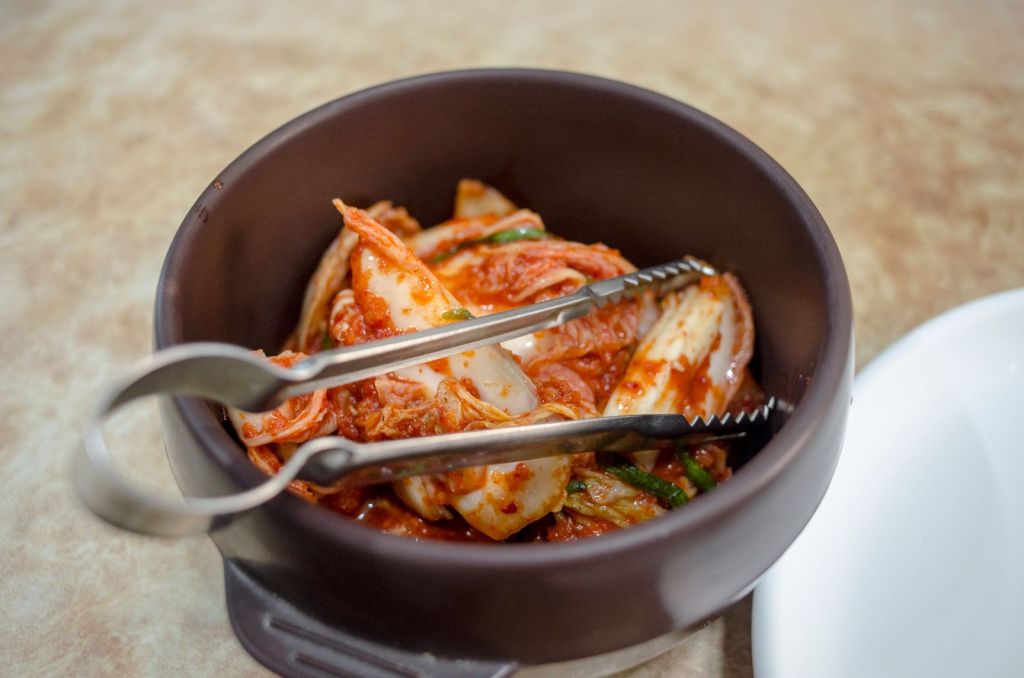
Kimchi is one of the most famous foods in Korean cuisine. It is a traditional fermented vegetable dish most commonly made with napa cabbage, Korean chili pepper flakes, garlic, ginger, and salt. Kimchi has been a staple food in Korea for centuries and is known for its bold flavor and probiotic fermentation.

Today kimchi is eaten all over the world and is considered one of the most iconic Korean foods.

What is Kimchi Made Of?

Traditional kimchi is made using napa cabbage that has been salted and mixed with seasoning ingredients. These ingredients usually include Korean chili pepper flakes (gochugaru), garlic, ginger, salted seafood, and salt.

After the ingredients are mixed, the kimchi is left to ferment. During fermentation beneficial bacteria develop and create the sour and complex flavor that kimchi is known for.

What Does Kimchi Taste Like?

Kimchi has a unique flavor that combines sourness, spice, saltiness, and umami. Fresh kimchi tends to be crunchy and mildly spicy, while fermented kimchi becomes more sour and deeper in flavor.

Because fermentation continues over time, kimchi changes its taste as it ages.

Popular Korean Dishes That Use Kimchi

Kimchi Fried Rice (Kimchi Bokkeumbap)

Kimchi fried rice is a classic Korean comfort food. Chopped kimchi is stir-fried with rice, vegetables, and often topped with a fried egg. The fermented kimchi adds a deep savory flavor to the dish.

Kimchi Stew (Kimchi Jjigae)

Kimchi jjigae is a traditional Korean stew made with aged kimchi, tofu, pork, and chili paste. The fermented cabbage gives the stew a rich spicy broth.

Kimchi Pancake (Kimchi Jeon)

Kimchi jeon is a crispy Korean pancake made by mixing chopped kimchi with flour batter and frying it in oil. It is commonly served as a snack or appetizer.

Kimchi Ramen

Kimchi is often added to ramen to create a spicy and sour flavor that enhances the noodle soup.

How to Store Kimchi

Kimchi should be stored in the refrigerator to maintain its freshness and control the fermentation process. Cold temperatures slow down fermentation and help preserve the flavor and texture of the kimchi.

After opening, keep kimchi in an airtight container to prevent strong odors from spreading in the refrigerator. Most store-bought kimchi containers can be sealed tightly, but transferring it to a glass container with a lid can help preserve freshness even longer.

Kimchi continues to ferment over time. Fresh kimchi usually tastes mild and crunchy, while older kimchi becomes more sour and stronger in flavor. Both fresh and aged kimchi are commonly used in Korean cooking.

If kimchi becomes too sour to eat as a side dish, it can still be used for cooking. Aged kimchi is often used in dishes such as kimchi stew, kimchi fried rice, and kimchi pancakes.

Where to Buy Kimchi

Kimchi is now widely available around the world. Many Korean supermarkets and online retailers sell authentic Korean kimchi.

United States

H-Mart (Korean supermarket chain)
https://www.hmart.com/search?type=product&q=kimchi

Amazon
https://www.amazon.com/s?k=kimchi

Walmart
https://www.walmart.com/search?q=kimchi

Canada

H-Mart Canada
https://www.hmart.ca

Amazon Canada
https://www.amazon.ca/s?k=kimchi

Asian grocery stores in cities such as Toronto and Vancouver also sell imported Korean kimchi.

Europe

Sous Chef (UK Asian grocery store)
https://www.souschef.co.uk/search?q=kimchi

Oriental Mart (UK Asian supermarket)
https://www.orientalmart.co.uk/search?type=product&q=kimchi

Asia Market (European Asian food store)
https://www.asiamarket.ie/?s=kimchi

Conclusion

Kimchi is a traditional Korean fermented vegetable dish made with napa cabbage, chili pepper flakes, garlic, and salt. Known for its spicy and sour flavor, kimchi has been a central part of Korean cuisine for centuries.