Introduction
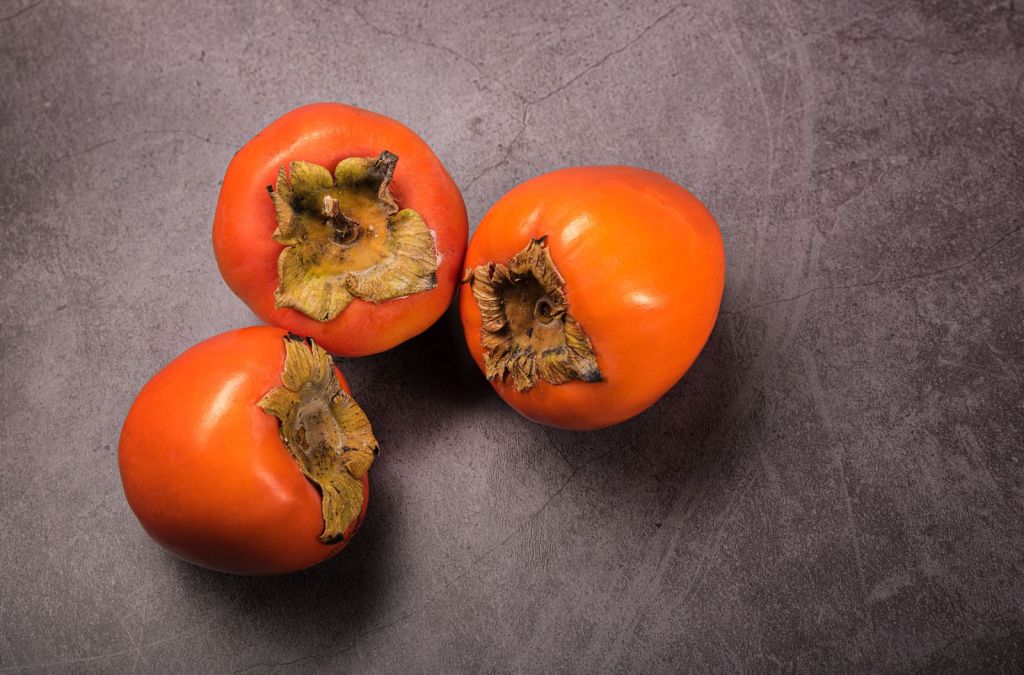
Gamsikcho (감식초) is Korean persimmon vinegar – a naturally fermented vinegar made from ripe persimmons. Korea has a long tradition of persimmon growing, and in the countryside families once fermented soft, overripe persimmons in clay jars to make their own vinegar. Today gamsikcho is sold in bottles both as a cooking vinegar and as a diluted drinking vinegar. If you already know regular sikcho (Korean vinegar), gamsikcho is its softer, fruitier cousin.
Gamsikcho at a Glance
What it is
- A fermented vinegar made from persimmons
Main ingredients
- Persimmons (traditional versions use only fruit); some commercial products add other fruit juices or sweeteners
Taste
- Mellow, gently tart and fruity, less sharp than white vinegar
Main uses
- Salad dressings, geotjeori, cold soups, dipping sauces, diluted vinegar drinks
What is Gamsikcho Made Of?
Traditional gamsikcho is made by letting very ripe persimmons ferment for many months. Natural yeasts first turn the fruit sugars into alcohol, and acetic acid bacteria then turn that alcohol into vinegar. The result is strained and aged. Types you will see:
- Traditional (naturally fermented) gamsikcho: 100% persimmon, slow-fermented, cloudy amber color.
- Cooking persimmon vinegar: clearer and more affordable, often blended – check the label for persimmon content.
- Drinking vinegar (hongcho-style): sweetened, ready-to-dilute persimmon or fruit vinegar for drinks.
What Does Gamsikcho Taste Like?
Gamsikcho is softer and rounder than distilled white vinegar, with a faint persimmon sweetness and a light earthy note. Its acidity is gentle enough that a splash brightens salads and dressings without making them harsh. Sweetened drinking versions taste a bit like a tart fruit cordial.
Popular Korean Dishes That Use Gamsikcho
Sangchu Geotjeori
A quick spicy lettuce salad dressed to order – often served with grilled pork. Recipe below.
Cho-ganjang and Dipping Sauces
Use it in place of regular vinegar in cho-ganjang for pancakes and dumplings.
Naengguk (Cold Soups)
A splash makes chilled cucumber or seaweed soup tangy and refreshing.
Gamsikcho Drink
Many Koreans dilute 1 part persimmon vinegar with about 5–10 parts cold water or sparkling water, sweetened with a little honey.
Easy Sangchu Geotjeori Lettuce Salad Recipe (Serves 2–3)
Ingredients
- 1 small head red-leaf or green-leaf lettuce (about 7 oz / 200 g), torn into bite-size pieces
- 1/4 onion, thinly sliced and soaked in cold water for 5 minutes
- 1 scallion, cut into 2-inch lengths
Gamsikcho dressing
- 2 tbsp gamsikcho (persimmon vinegar)
- 1 1/2 tbsp soy sauce
- 1 tbsp gochugaru
- 1 tbsp sugar or honey
- 1 tsp minced garlic, 1 tbsp sesame oil, 1 tsp toasted sesame seeds
Instructions
- Wash the lettuce and dry it very well in a salad spinner or with towels – wet leaves dilute the dressing.
- Mix all the dressing ingredients in a small bowl until the sugar dissolves.
- Drain the onion and put it in a large bowl with the lettuce and scallion.
- Right before serving, pour over the dressing and toss gently with your hands or tongs. Serve immediately, ideally with grilled pork belly or bulgogi.
Tip: Dress the salad only at the table; the soy sauce wilts lettuce within minutes. Taste the dressing first – persimmon vinegars vary in strength, so add more if yours is mild.
Where to Buy Gamsikcho
United States
As an Amazon Associate, I earn from qualifying purchases.
Amazon
Search Korean persimmon vinegar on Amazon
H-Mart
Search persimmon vinegar on H-Mart
Canada
Search Korean persimmon vinegar on Amazon.ca
Europe
Search persimmon vinegar on Amazon.co.uk
How to Store Gamsikcho
Keep the bottle tightly closed in a cool, dark cupboard; vinegar’s acidity keeps it stable for a long time, though flavor is best within a year of opening. Naturally fermented gamsikcho may form sediment or a soft, jelly-like “mother” – this is normal and harmless; strain it out if you prefer. Sweetened drinking vinegars are best refrigerated after opening.
Gamsikcho FAQ
What can I substitute for persimmon vinegar?
Apple cider vinegar or rice vinegar are the closest swaps; add a pinch more sugar for the fruity roundness.
Can you drink gamsikcho straight?
No – always dilute it with water. Undiluted vinegar is acidic enough to irritate the throat and harm tooth enamel.
Is gamsikcho the same as hongcho?
Not exactly. Hongcho is a brand-style category of sweetened drinking vinegars (often pomegranate or other fruits); gamsikcho is specifically persimmon vinegar and is often unsweetened.
Why is my gamsikcho cloudy?
Unfiltered, naturally fermented vinegar is often cloudy with fruit sediment. It is normal.
Conclusion
Gamsikcho is an easy way to add gentle, fruity acidity to Korean dishes – from a crisp lettuce geotjeori to dipping sauces and refreshing diluted drinks. Keep a bottle next to your ganjang and sesame oil and you’ll reach for it more often than you expect.


Leave a Reply