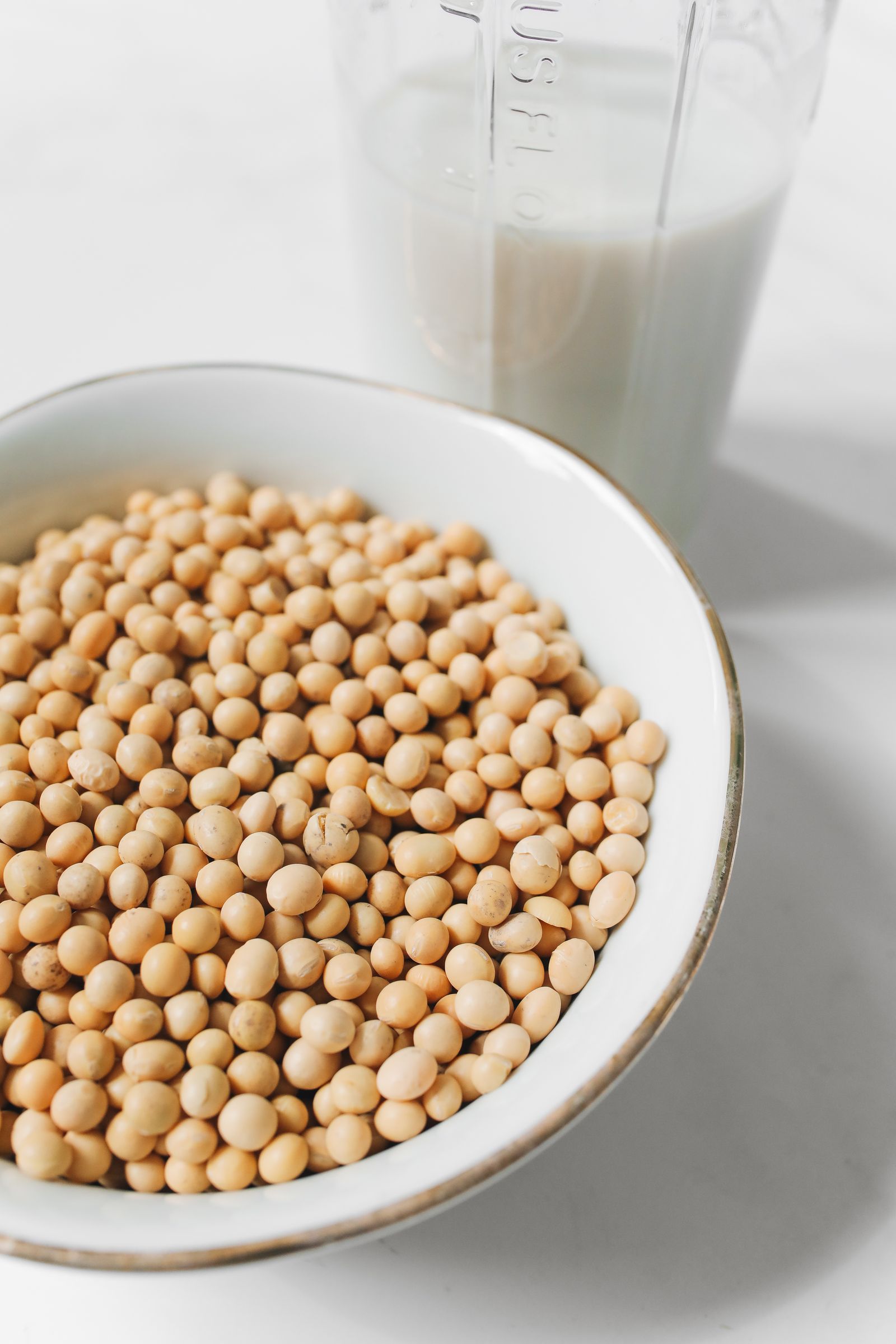

Doenjang and miso are both fermented soybean pastes, but they are not the same thing. Korean doenjang is traditionally made from just soybeans and salt and tastes saltier, funkier and chunkier; Japanese miso is usually fermented with rice or barley koji and tastes milder, smoother and sweeter. Buy doenjang for Korean stews like doenjang jjigae, buy miso for miso soup and delicate dressings.
New to doenjang? Start with our full guide: What is Doenjang? Korean Fermented Soybean Paste Explained.
Quick Summary
- Doenjang (된장): Korean, soybeans + salt (store brands often add wheat), strong and earthy, made for long simmering.
- Miso (味噌): Japanese, soybeans + salt + koji grown on rice or barley, mild to medium, best stirred in near the end of cooking.
- Swapping: possible in a pinch. Use less doenjang in place of miso; use red miso (and a bit more of it) in place of doenjang.
- Gluten: many commercial doenjang and some miso contain wheat or barley, so check the label if you avoid gluten.
Doenjang vs Miso at a Glance
| Doenjang | Miso | |
|---|---|---|
| Origin | Korea | Japan |
| Traditional ingredients | Soybeans and salt, fermented as meju (dried soybean blocks) | Soybeans, salt and koji (mold-inoculated rice or barley) |
| Typical store-bought extras | Wheat flour, alcohol, sometimes flavor enhancers | Rice or barley koji, alcohol; some add dashi (fish stock) |
| Flavor | Salty, sharp, earthy, slightly sour, very savory | Salty-sweet and mellow (white) to rich and strong (red) |
| Texture | Thick, often coarse with soybean bits | Usually smooth |
| Color | Yellow-brown to dark brown; darkens with age | White/yellow to red-brown, depending on type and aging |
| How it is cooked | Simmered for a long time in stews and soups | Usually added at the end; heavy boiling dulls the aroma |
| Signature dishes | Doenjang jjigae, ssamjang, namul | Miso soup, marinades, dressings, ramen broth |
How They Are Made
Traditional doenjang starts with meju: soybeans are boiled, mashed, shaped into blocks and dried until wild molds and bacteria ferment them. The blocks are then soaked in salt brine. The liquid becomes Korean soup soy sauce (guk-ganjang), and the solids are mashed and aged into doenjang.
Miso is built on koji, a specific mold grown on steamed rice or barley. The koji is mixed with cooked soybeans and salt and left to ferment. The grain adds natural sweetness, which is why most miso tastes gentler than doenjang. Most factory-made doenjang today also uses a koji starter, so the gap between supermarket brands is smaller than between traditional homemade versions.
Which Should You Buy?
Buy doenjang if you…
- want to cook Korean dishes: doenjang jjigae, doenjang-guk, ssamjang for Korean BBQ
- like bold, funky, savory flavors that hold up to long simmering
- want a paste that pairs naturally with gochujang and garlic
Buy miso if you…
- mostly make Japanese food: miso soup, miso-glazed fish, ramen
- want a milder paste for salad dressings, dips or baking
- can find it more easily: miso is stocked in many regular supermarkets, while doenjang is mostly at Korean or Asian grocers and online
How to Read a Doenjang Label
- 재래식 (jaeraesik) / 전통 (jeontong) – traditional style; usually longer fermented and stronger.
- 개량식 (gaeryangsik) – modern factory style made with a koji starter; milder and smoother. Most supermarket doenjang is this type.
- 토장 (tojang) – a quicker traditional-style paste, often pre-seasoned for stews.
- 양념된장 (yangnyeom doenjang) – seasoned doenjang with added broth flavors; convenient for jjigae, but check for seafood and wheat.
- 대두 (daedu) soybean · 밀 (mil) wheat · 천일염 (cheonilyeom) sun-dried sea salt · 국산 (guksan) Korean-grown
Popular Brands Compared
| Brand / product | Type | What the label shows | Good choice if you… |
|---|---|---|---|
| Chung Jung One Sunchang Doenjang | Doenjang (Korea) | Soybeans, wheat flour, salt, plus small amounts of seasoning; sold in 500 g tubs in US supermarkets and H Mart | want the easiest Korean brand to find |
| CJ Haechandle Doenjang | Doenjang (Korea) | Mainstream Korean brand; 500 g and 1 kg tubs at Korean grocers | shop at a Korean market and want a classic everyday paste |
| Sempio Baekil (100-Day) Doenjang | Doenjang (Korea) | Soybean, salt, water, koji starter; no wheat listed | want a deeper-tasting paste or need to avoid wheat |
| Jookjangyeon Jeontong Doenjang | Traditional doenjang (Korea) | Soybean and salt only | want a premium traditional paste and can find it |
| Hikari Miso / Marukome | Miso (Japan) | Widely sold Japanese brands with white, red and awase (blended) types | cook Japanese food and want variety |
| Miso Master Organic | Miso (USA) | Organic miso sold at Whole Foods and other US stores, in mellow white and traditional red | want an organic miso from a regular supermarket |
Can You Substitute One for the Other?
| If the recipe needs… | Use instead | Ratio | Tip |
|---|---|---|---|
| 1 tbsp doenjang | Red (aka) miso | 1 to 1½ tbsp | Add a pinch of salt or a drop of soy sauce for more depth |
| 1 tbsp doenjang | White miso | 1½ tbsp | Noticeably sweeter; fine in dressings, weak in jjigae |
| 1 tbsp miso | Doenjang | 2 to 3 tsp | Taste first; doenjang is saltier and stronger |
| Miso soup | Doenjang | About ⅔ the amount | Works, but the soup will taste more like doenjang-guk |
Quick Test Recipe: Simple Doenjang-guk (Serves 2)
Trying doenjang for the first time? This light soybean paste soup is the easiest way to taste the difference from miso soup.
- Bring 3 cups (720 ml) anchovy-kelp broth or water to a boil.
- Dissolve 1½ tbsp doenjang in the broth through a small sieve.
- Add a handful of spinach or sliced napa cabbage and 1 tsp minced garlic; simmer 5 minutes.
- Add ½ block of soft tofu in cubes and 1 sliced green onion; simmer 2 more minutes. Taste and add a little more doenjang if needed.
Unlike miso soup, this is meant to simmer: doenjang’s flavor opens up with cooking. For a heartier stew, see the doenjang jjigae recipe in our doenjang guide.
Where to Buy
United States
As an Amazon Associate, I earn from qualifying purchases.
Amazon: Korean doenjang · traditional (jaeraesik) doenjang · gluten-free doenjang · red miso · white miso
H-Mart: search doenjang at H Mart
Canada
Amazon Canada: Korean doenjang
Europe
Amazon UK: Korean doenjang
FAQ
Is doenjang just Korean miso?
Not quite. Both are fermented soybean pastes, but traditional doenjang is made without rice or barley koji, so it is saltier, earthier and less sweet. Many English labels call it “soybean paste” or even “Korean miso” for convenience.
Which is healthier, doenjang or miso?
Both are fermented soy foods and both are high in sodium, so the bigger factor is how much you use. Compare sodium per serving on the nutrition labels of the specific products you are considering.
Is doenjang gluten-free?
Traditional doenjang made only from soybeans and salt is, but many supermarket brands add wheat flour. Look for a label that lists only soybeans, salt and water (plus a koji starter), and avoid 밀 (wheat) in the Korean ingredient list.
Can I use doenjang in miso soup?
Yes, but use about two-thirds of the amount and expect a stronger, earthier soup. It will taste closer to Korean doenjang-guk than to Japanese miso soup.
How long do doenjang and miso last?
Both keep for months in the refrigerator after opening because of their high salt content. Press plastic wrap onto the surface, use a clean spoon, and discard if you see fuzzy mold or smell something rotten.
The Bottom Line
If you cook Korean food, buy doenjang; if you cook Japanese food or want a milder paste, buy miso. They can stand in for each other in a pinch as long as you adjust the amount. For everything else about Korean soybean paste, including a full doenjang jjigae recipe, read What is Doenjang?, and if you are stocking a Korean kitchen from scratch, see our Korean pantry starter list.
Leave a Reply