Introduction
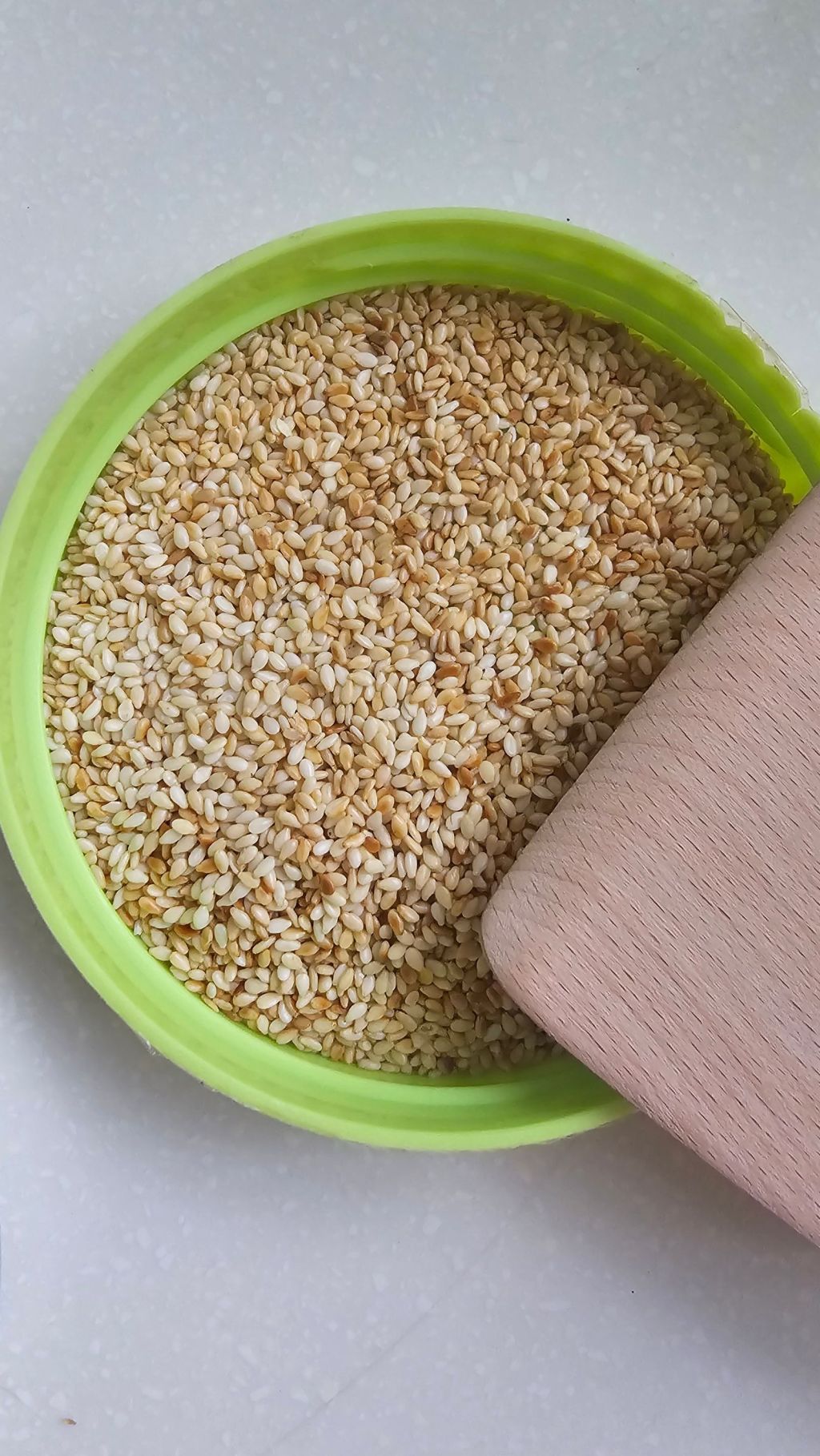
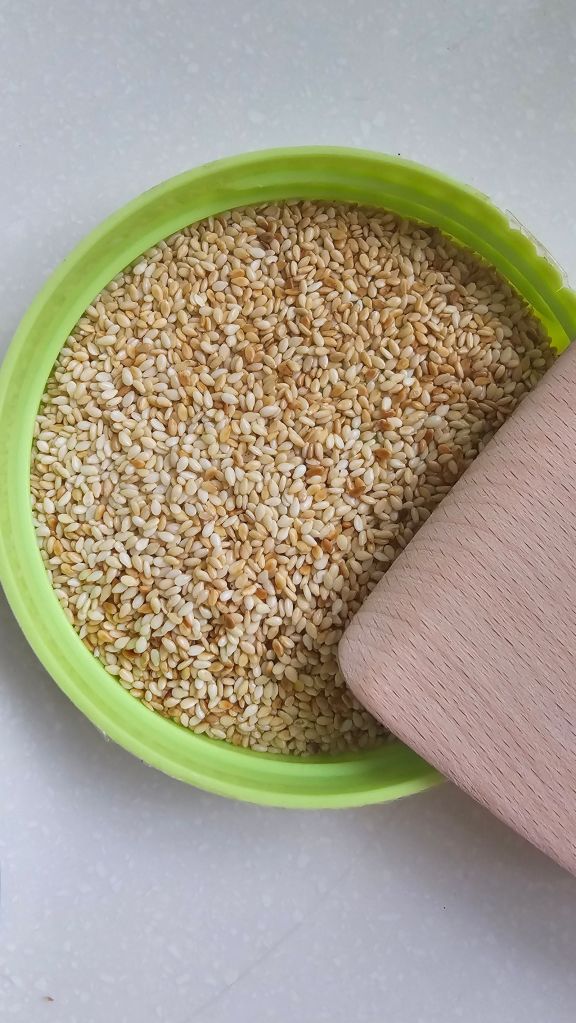
Kkaesogeum (깨소금) is the toasted sesame seed seasoning used across Korean home cooking. The name literally means “sesame salt”: traditionally, roasted sesame seeds were lightly crushed with a little salt. Today, most Koreans use the word for toasted sesame seeds in general, whole or crushed. If you have ever wondered why Korean side dishes taste so nutty and fragrant, kkaesogeum (often together with sesame oil) is a big part of the answer.
Kkaesogeum at a Glance
Quick facts
- What it is: toasted sesame seeds, whole or crushed, sometimes with salt
- Main ingredients: white sesame seeds (salt optional)
- Taste: nutty, toasty, lightly sweet
- Main uses: namul side dishes, marinades, dipping sauces, rice dishes, garnishes
What is Kkaesogeum Made Of?
Kkaesogeum is made from hulled white sesame seeds that are washed, dried and slowly roasted in a dry pan until golden and fragrant. For classic “sesame salt,” the warm seeds are ground lightly in a mortar (a Korean jeolgu) with a small amount of salt. The same seeds are pressed to make chamgireum (Korean sesame oil).
Types of kkaesogeum
- Whole toasted sesame seeds (bokkeun kkae): the most common form sold in bags.
- Crushed or ground sesame: more aromatic; crush just before using.
- Salted kkaesogeum: the traditional sesame salt.
- Black sesame (heugimja): used more for porridge and desserts than for namul.
What Does Kkaesogeum Taste Like?
It is nutty and toasty with a gentle sweetness, a little like roasted peanuts but lighter. Crushing the seeds releases their oil, so crushed kkaesogeum smells much stronger than whole seeds. Salted versions add a mild seasoning as well.
Popular Korean Dishes That Use Kkaesogeum
Namul (seasoned vegetables)
Spinach, bean sprouts and fernbrake namul are finished with sesame oil and kkaesogeum. Try our sigeumchi namul.
Bulgogi and galbi
Sesame seeds go into the marinade and on top as a garnish. See our bulgogi marinade guide.
Gimbap and jumeokbap
Rice is seasoned with sesame oil, salt and sesame seeds before rolling or shaping.
Dipping sauces
Soy dipping sauces and gochujang sauces often get a spoonful of crushed sesame for aroma.
Easy Kongnamul Muchim Recipe (Serves 3–4 as a side dish)
Ingredients
- 300 g (about 10 oz) soybean sprouts (kongnamul), rinsed
- 1/2 cup water
- 1/2 tsp salt (for cooking)
Seasoning
- 1 tsp minced garlic
- 1 green onion, finely chopped
- 1/2 tsp salt (or 1 tsp soup soy sauce), to taste
- 1 tbsp sesame oil
- 1 tbsp kkaesogeum (toasted sesame seeds), lightly crushed
- 1/2–1 tsp gochugaru (optional, for the spicy version)
Instructions
- Put the sprouts in a pot with the water and salt. Cover with a lid and cook over medium-high heat for about 5–6 minutes, until the sprouts are tender but still crunchy. Keep the lid on the whole time (lifting it partway is said to give a raw, beany smell).
- Drain and spread the sprouts on a tray, or rinse briefly in cold water, to stop the cooking. Drain well.
- In a bowl, toss the sprouts with garlic, green onion and salt.
- Add sesame oil and kkaesogeum (and gochugaru if using) and mix gently with your hands.
- Taste, adjust the salt, and serve cold or at room temperature.
Tip: Crush the sesame seeds between your fingers or with a mortar right before adding them. The aroma is much stronger than with whole seeds.
Where to Buy Kkaesogeum
United States
As an Amazon Associate, I earn from qualifying purchases.
Amazon
Search Korean roasted sesame seeds on Amazon
H-Mart
Search roasted sesame seeds on H-Mart
Canada
Search Korean roasted sesame seeds on Amazon.ca
Europe
Search Korean roasted sesame seeds on Amazon.co.uk
How to Store Kkaesogeum
Sesame seeds contain oil and can turn rancid. Keep toasted seeds in an airtight container away from heat and light and use within 1–2 months, or refrigerate or freeze them for longer. Crushed sesame loses aroma fastest, so crush only what you need.
Kkaesogeum FAQ
How do I toast sesame seeds at home?
Heat a dry pan over medium-low heat, add raw hulled sesame seeds and stir constantly for 4–6 minutes until golden, fragrant and starting to pop. Move them to a plate right away so they do not burn.
Is kkaesogeum salty?
Traditional kkaesogeum has a little salt, but most store-bought toasted sesame seeds labeled for Korean cooking are unsalted. Check the label.
Can I use Japanese or regular toasted sesame seeds?
Yes. Any toasted white sesame seeds work; just make sure they are toasted, not raw.
Conclusion
Kkaesogeum is a small ingredient with a big effect: a spoonful of freshly crushed toasted sesame gives Korean side dishes their signature nutty aroma. Keep a jar next to your sesame oil and gochugaru, and you have the base for countless namul.


Leave a Reply