Introduction
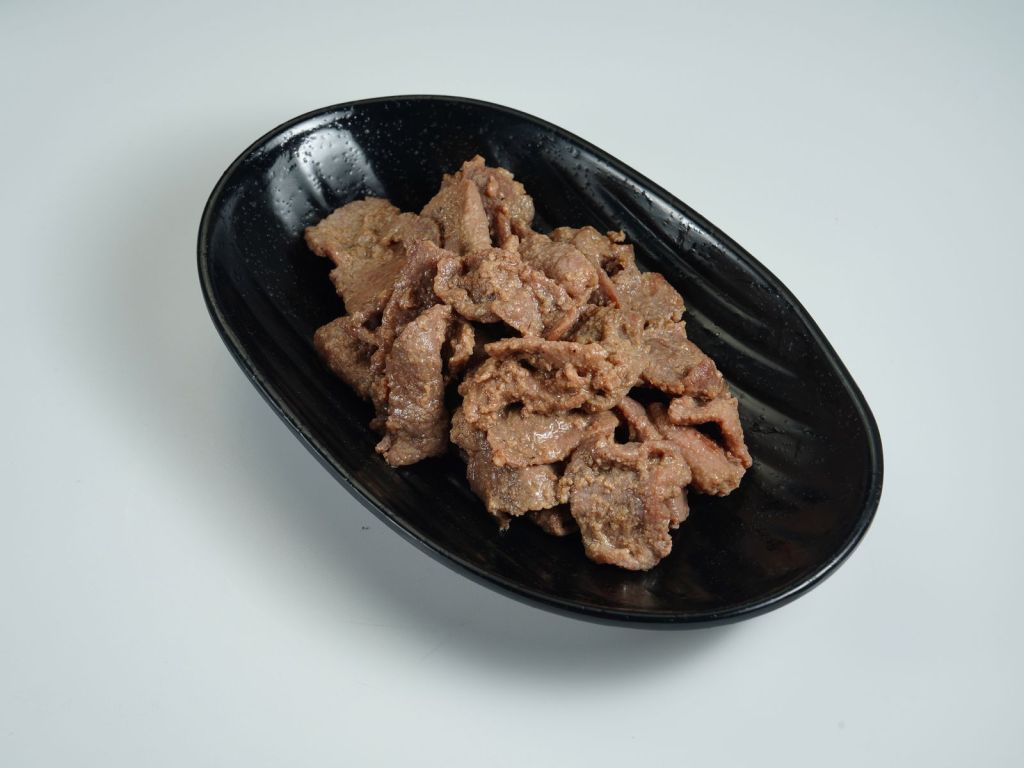
Bulgogi marinade (불고기 양념, bulgogi yangnyeom) is the sweet and savory soy-based sauce used to make bulgogi, Korea’s famous “fire meat” of thinly sliced marinated beef. It is one of the easiest ways to bring Korean BBQ flavor into a home kitchen.
You can buy it ready-made in bottles labeled “bulgogi sauce” or “Korean BBQ marinade,” or mix it yourself in five minutes with pantry ingredients.
Bulgogi Marinade at a Glance
What it is
- A soy sauce–based Korean marinade for thin-sliced beef (and sometimes pork, chicken or mushrooms)
Main ingredients
- Soy sauce, sugar, Asian pear, garlic, onion, sesame oil, black pepper
Taste
- Sweet, salty, garlicky and nutty; not spicy
Main uses
- Beef bulgogi, bulgogi rice bowls, bulgogi japchae, bulgogi kimbap, Korean BBQ
What is Bulgogi Marinade Made Of?
The base is ganjang (Korean soy sauce) balanced with sugar or syrup. Grated Asian pear (or apple or kiwi) adds fruity sweetness and natural enzymes that help tenderize the meat. Garlic, onion, green onion and black pepper give depth, and sesame oil finishes it with a toasty aroma.
- Beef bulgogi marinade – the classic, mild soy-garlic version
- Spicy pork bulgogi marinade (jeyuk bokkeum) – adds gochujang and gochugaru
- Chicken bulgogi marinade – the soy version or a spicy version used on chicken thighs
- Store-bought bulgogi sauce – bottled, ready to pour; check the label for serving ratios
What Does Bulgogi Marinade Taste Like?
Bulgogi marinade tastes sweet and salty in equal measure, a little like teriyaki but with more garlic, a fruity note from the pear and a strong sesame aroma. When it hits a hot pan, the sugars caramelize on the beef and create lightly charred, sticky edges.
Popular Korean Dishes That Use Bulgogi Marinade
Beef Bulgogi
Thin slices of beef marinated and quickly pan-fried or grilled, served with rice and lettuce wraps.
Bulgogi Deopbap (Rice Bowl)
Saucy bulgogi spooned over steamed rice, often with a fried egg on top.
Ttukbaegi Bulgogi
Bulgogi simmered in a little broth with glass noodles and mushrooms in a hot earthenware pot.
Bulgogi Japchae
Stir-fried glass noodles tossed with bulgogi-marinated beef and vegetables.
Easy Beef Bulgogi Recipe (Serves 3–4)
Ingredients
- 1 lb (450 g) thinly sliced beef ribeye or sirloin (sold as “bulgogi beef” at Korean markets)
- ½ onion, thinly sliced
- 2 green onions, cut into 2-inch pieces
- ½ carrot, thinly sliced (optional)
- 1 tbsp cooking oil
- Toasted sesame seeds for garnish
Bulgogi Marinade
- 4 tbsp soy sauce
- 2 tbsp sugar (or 1 tbsp sugar + 1 tbsp honey)
- ¼ Asian pear, finely grated (about 3 tbsp)
- 1 tbsp minced garlic
- 1 tbsp sesame oil
- 1 tbsp matsul or mirin (optional)
- ¼ tsp black pepper
Instructions
- Mix the marinade. Stir all marinade ingredients together until the sugar dissolves.
- Marinate. Pat the beef dry with paper towels, separate the slices, and toss with the marinade, onion and carrot. Cover and refrigerate for at least 30 minutes, up to overnight.
- Heat the pan. Heat the oil in a large skillet over medium-high heat until very hot.
- Cook in batches. Spread the beef in a thin layer and cook for 2–3 minutes, stirring, until no longer pink and slightly caramelized. Do not overcrowd the pan or the meat will steam.
- Finish. Add the green onions in the last 30 seconds. Sprinkle with sesame seeds and serve with rice, lettuce leaves and ssamjang.
Tip: Freeze the beef for 30–60 minutes before slicing if you are cutting it yourself; it firms up so you can cut paper-thin slices against the grain.
Where to Buy Bulgogi Marinade
Bottled bulgogi marinade is sold at Korean and Asian grocery stores and many large supermarkets in the international aisle. Look for “bulgogi sauce” or “Korean BBQ sauce for beef.”
United States
As an Amazon Associate, I earn from qualifying purchases.
Amazon
https://www.amazon.com/s?k=bulgogi+marinade
H-Mart
https://www.hmart.com/search?type=product&q=bulgogi sauce
Canada
Amazon Canada
https://www.amazon.ca/s?k=bulgogi+marinade
Europe
Amazon UK
https://www.amazon.co.uk/s?k=bulgogi+marinade
How to Store Bulgogi Marinade
Unopened bottles can be kept in the pantry until the best-by date. Once opened, refrigerate and use within the time on the label. Homemade marinade (with fresh pear and garlic) keeps in a sealed jar in the fridge for about 3–4 days.
Raw beef in marinade should be cooked within 1–2 days, or frozen flat in freezer bags for up to 3 months. Never reuse marinade that has touched raw meat unless you boil it first.
Bulgogi Marinade FAQ
What is the difference between bulgogi and galbi marinade?
They are very similar soy-garlic marinades. Bulgogi marinade is used on thin slices that cook in minutes, while galbi marinade is made for thicker short ribs and is often a little sweeter and marinated longer.
Is bulgogi marinade spicy?
Classic beef bulgogi marinade is not spicy. Spicy versions, especially for pork, add gochujang or gochugaru.
What can I use instead of Asian pear?
Grated apple works well. A small amount of kiwi also tenderizes, but use only a tablespoon and marinate for no more than an hour, or the meat can turn mushy.
How long should I marinate bulgogi?
At least 30 minutes for thin slices; 2–4 hours gives deeper flavor. Overnight is fine with pear or apple.
Conclusion
Bulgogi marinade is a simple mix of soy sauce, sugar, pear, garlic and sesame oil that turns thin beef into one of Korea’s most loved dishes. Whether you pour it from a bottle or make it yourself, it is a quick route to sweet, savory Korean BBQ at home.


Leave a Reply