Introduction
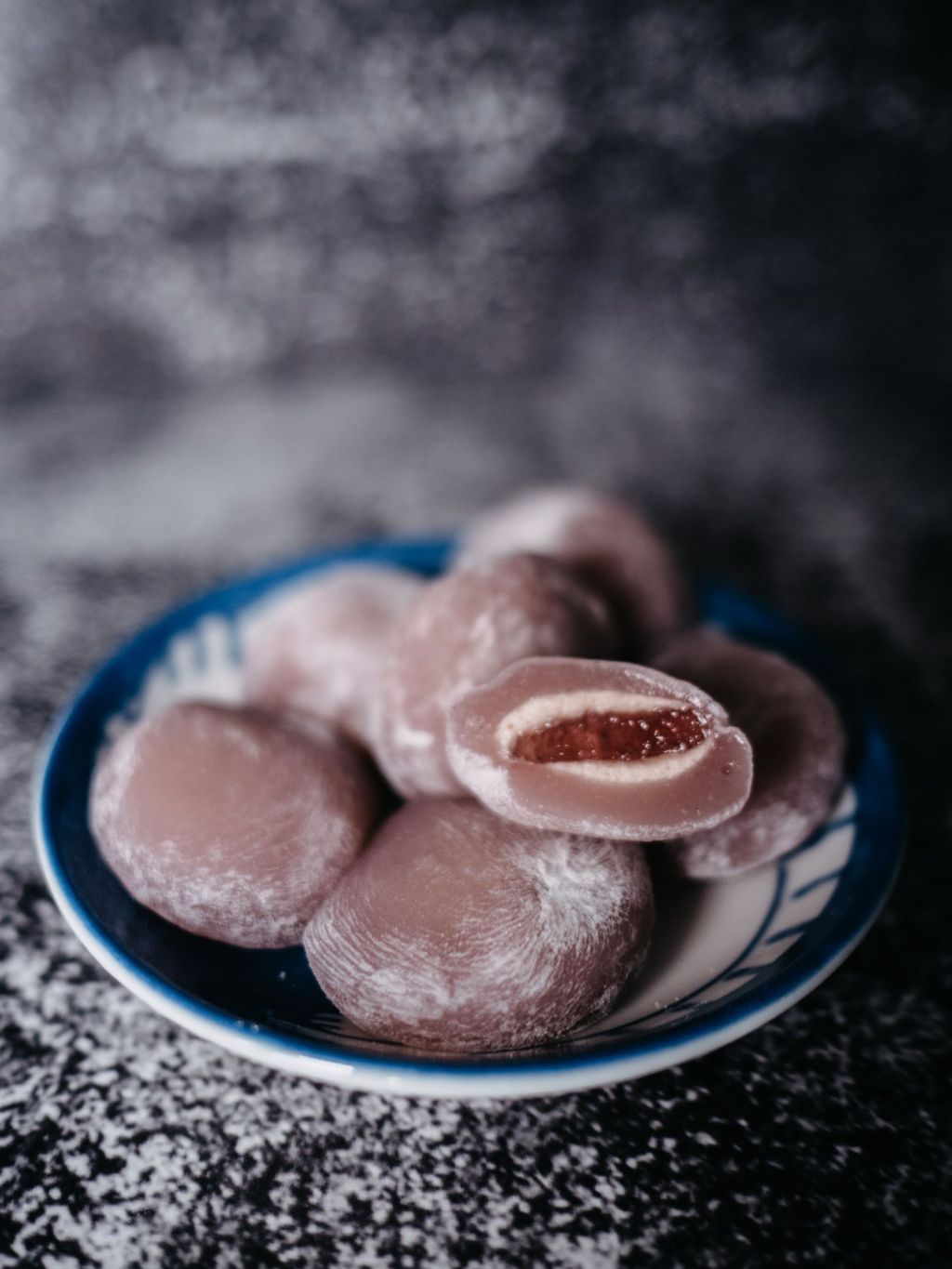
Chapssal-garu (찹쌀가루) is Korean glutinous rice flour, also sold as sweet rice flour. It is ground from chapssal, the sticky short-grain rice that turns soft, stretchy and chewy when cooked. Despite the names, it contains no gluten and is not sweet on its own; “glutinous” describes its glue-like texture. Chapssal-garu is behind many of Korea’s best-loved chewy treats, from tteok like chapssal-tteok and gyeongdan to hotteok and pumpkin porridge.
Chapssal-garu at a Glance
Quick facts
- What it is: flour made from glutinous (sticky) rice
- Main ingredients: 100% glutinous rice (sometimes with a little salt in wet-milled types)
- Taste: mild and neutral; very chewy and stretchy when cooked
- Main uses: chewy rice cakes, hotteok, hobakjuk (pumpkin porridge), hwajeon, thickening kimchi paste
What is Chapssal-garu Made Of?
It is made only from glutinous rice. Glutinous rice is almost all amylopectin starch, which is why it becomes sticky and elastic, while regular rice (maepssal) has more amylose and cooks up firmer. Korean markets sell two main styles: dry-milled flour in paper or plastic bags on the shelf, and wet-milled flour (soaked rice ground while damp), often found frozen, which gives a softer, smoother texture in tteok.
Types of chapssal-garu
- Dry-milled chapssal-garu: shelf-stable and easy to find; needs a little more water.
- Wet-milled (frozen) chapssal-garu: moist, finer texture for traditional tteok.
- Maepssal-garu: regular (non-glutinous) rice flour, used for firmer cakes like garaetteok and songpyeon. Not interchangeable.
- Hyeonmi chapssal-garu: brown glutinous rice flour with a nuttier taste.
What Does Chapssal-garu Taste Like?
Raw, it tastes like plain rice. Cooked, it has a gentle sweetness and a soft, bouncy chew that holds fillings and coatings well. It soaks up the flavor of whatever it is paired with, such as roasted soybean powder, honey or sesame.
Popular Korean Dishes That Use Chapssal-garu
Gyeongdan
Small boiled rice balls rolled in colorful powders. Recipe below.
Hotteok
Sweet filled pancakes; the dough often includes glutinous rice flour for chew, as in most hotteok mixes.
Hobakjuk
Sweet pumpkin porridge thickened with glutinous rice flour and dotted with small rice balls.
Hwajeon
Pan-fried rice cakes decorated with edible flowers, served with honey.
Easy Gyeongdan Recipe (Makes about 30 balls)
Ingredients
- 2 cups (about 250 g) dry chapssal-garu
- 1/2 tsp salt
- About 3/4 cup just-boiled water (add gradually)
- 1 tbsp sugar (optional)
- Coatings: 1/4 cup roasted soybean powder (konggaru), 1/4 cup ground toasted black sesame, 1/4 cup desiccated coconut or crushed nuts
- Honey or jocheong, to serve (optional)
Instructions
- Mix the flour, salt and sugar in a bowl. Add the hot water a few spoonfuls at a time, stirring with a spoon, then knead (carefully, it is hot) for 3–4 minutes into a smooth dough that feels like soft clay.
- Roll into balls about 3/4 inch (2 cm) wide. Keep them covered so they do not dry out.
- Bring a large pot of water to a boil. Drop in the balls and stir gently so they do not stick to the bottom.
- When the balls float, cook 1–2 minutes more, then scoop them into a bowl of cold water and leave them 1 minute.
- Drain well and roll each ball in one of the coatings. Serve the same day with a little honey on the side.
Tip: The water amount depends on the flour. If the dough cracks, add hot water a teaspoon at a time; if it is sticky, dust in a little more flour.
Where to Buy Chapssal-garu
United States
As an Amazon Associate, I earn from qualifying purchases.
Amazon
Search Korean sweet rice flour on Amazon
Search glutinous rice flour on Amazon
H-Mart
Search sweet rice flour on H-Mart
Canada
Search sweet rice flour on Amazon.ca
Europe
Search glutinous rice flour on Amazon.co.uk
How to Store Chapssal-garu
Store dry chapssal-garu in an airtight container in a cool, dry place for several months, or in the freezer for longer. Wet-milled flour must stay frozen and should be used within a few months. Gyeongdan harden in the refrigerator, so eat them the same day or freeze them and thaw at room temperature.
Chapssal-garu FAQ
Is chapssal-garu gluten-free?
Yes. Glutinous rice contains no gluten. Check the label for cross-contamination if you need strict gluten-free food.
Is chapssal-garu the same as mochiko?
Both are glutinous rice flour and can usually be swapped. Mochiko is made from Japanese-style sweet rice and may need slightly different amounts of water.
Can I use regular rice flour instead?
No. Regular rice flour (maepssal-garu) will not give the chewy, stretchy texture and will make crumbly balls.
Why do I need hot water?
Hot water partly cooks the starch so the dough holds together and becomes smooth. Cold water makes a crumbly dough that cracks.
Conclusion
Chapssal-garu is the secret behind the chewy texture of Korean rice cakes, and a single bag lets you make gyeongdan, hotteok and pumpkin porridge at home. For more chewy Korean favorites, see our tteok guide and hotteok mix.


Leave a Reply