Introduction
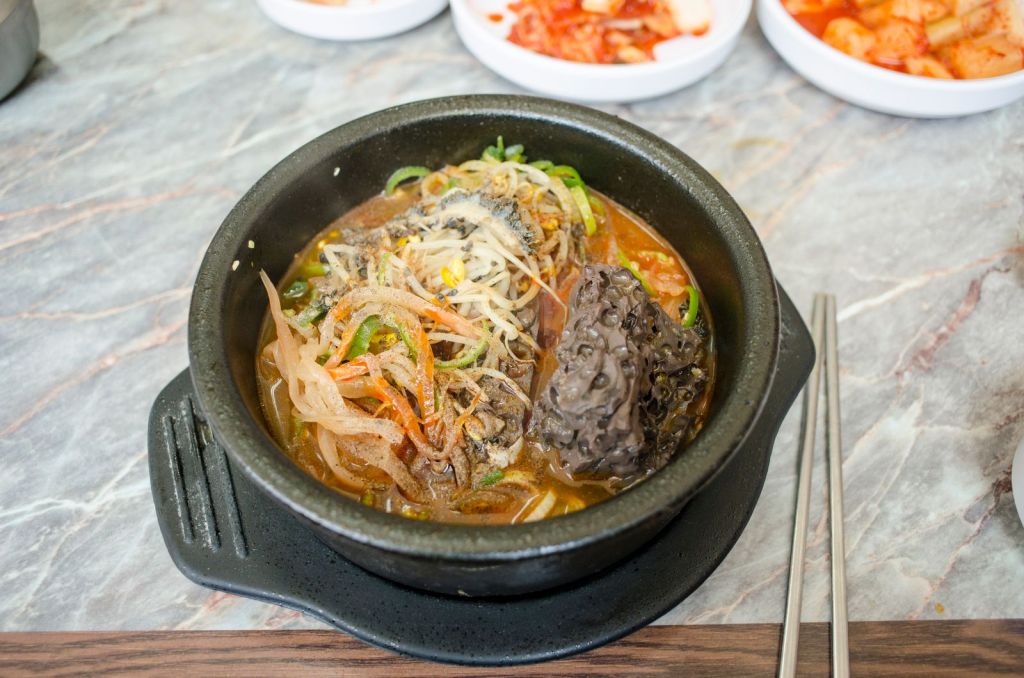
Haejangguk (해장국) is often translated as “hangover soup,” but in Korea it is simply a hearty, warming soup eaten for breakfast or late at night – especially after a night of drinking. There are many regional versions, from bean sprout soup to dried pollack soup. One of the most popular is ugeoji haejangguk, made with the outer leaves of napa cabbage and beef in a broth seasoned with doenjang and chili. This guide explains that seasoning base and how to make the soup at home.
Haejangguk Seasoning at a Glance
What it is
- A doenjang-and-chili seasoning used for Korean cabbage and beef “hangover” soup
Main ingredients
- Doenjang, gochugaru, a little gochujang, garlic, soup soy sauce, beef or anchovy-kelp broth
Taste
- Savory, earthy and gently spicy with a deep, beefy broth
Main uses
- Ugeoji haejangguk, seonji haejangguk, beef and radish soups, cabbage doenjang soup
What is Haejangguk Seasoning Made Of?
The cabbage or greens are usually massaged with the seasoning before going into the pot, so every leaf absorbs flavor. Doenjang gives depth, gochugaru adds color and gentle heat, and garlic and soup soy sauce finish it. Well-known haejangguk styles include:
- Ugeoji haejangguk: outer napa cabbage leaves with beef in a doenjang-chili broth.
- Seonji haejangguk: the same style with coagulated ox blood, a classic restaurant version.
- Kongnamul haejangguk: a clear, refreshing bean sprout soup popular in Jeonju.
- Bugeo haejangguk: a mild dried pollack soup.
What Does Haejangguk Taste Like?
Ugeoji haejangguk tastes like a richer, beefier doenjang soup with a soft chili warmth. The cabbage turns silky and sweet after simmering, and the broth is savory, slightly spicy and very comforting. It is filling without being greasy, which is exactly why Koreans love it on cold mornings.
Popular Korean Haejangguk Dishes
Ugeoji Haejangguk
The home-friendly cabbage and beef version in this recipe.
Seonji Haejangguk
A restaurant favorite with ox blood, tripe and bean sprouts.
Kongnamul-guk
A light, clear bean sprout soup – try our kongnamul-guk recipe.
Bugeo-guk
A mild, milky dried pollack soup – see our bugeo guide.
Easy Ugeoji Haejangguk Recipe (Serves 3–4)
Ingredients
- 10 oz (300 g) outer napa cabbage leaves (or bok choy)
- 7 oz (200 g) beef brisket or chuck, thinly sliced
- 1 cup bean sprouts (optional)
- 1/2 onion, sliced; 2 green onions and 1 green chili, sliced
- 6 cups beef broth or anchovy-kelp stock
Haejangguk Seasoning
- 3 tbsp doenjang
- 1 1/2 tbsp gochugaru
- 1/2 tbsp gochujang (optional)
- 1 1/2 tbsp minced garlic
- 1 tbsp soup soy sauce (guk-ganjang)
Instructions
- Blanch the cabbage leaves in boiling salted water for 3–4 minutes until soft. Rinse in cold water, squeeze out the water and tear or cut into bite-size strips.
- Mix the seasoning ingredients. Add the cabbage and massage the seasoning into the leaves.
- Bring the broth to a boil in a large pot. Add the beef, return to a boil and skim off the foam.
- Add the seasoned cabbage and onion. Simmer over medium-low heat for 25–30 minutes so the cabbage turns silky and the beef becomes tender.
- Add the bean sprouts, green onion and chili and simmer 5 minutes more. Taste and add salt or soup soy sauce if needed.
- Serve piping hot with a bowl of rice and kimchi.
Tip: Massaging the seasoning into the blanched cabbage before simmering is the key step – it seasons the leaves from the inside instead of leaving them bland in a flavorful broth.
Where to Buy Haejangguk Ingredients
United States
As an Amazon Associate, I earn from qualifying purchases.
Amazon
Search Korean doenjang on Amazon
Search Korean haejangguk on Amazon
H-Mart
Search doenjang on H-Mart
Search haejangguk on H-Mart
Canada
Search Korean doenjang on Amazon.ca
Europe
Search Korean doenjang on Amazon.co.uk
How to Store Haejangguk
Seasoned blanched cabbage can be portioned and frozen for up to 2 months – drop a portion into boiling broth for a quick soup. Finished haejangguk keeps 3 days in the refrigerator and tastes even better the next day; reheat until boiling. It also freezes well for about 1 month.
Haejangguk FAQ
Does haejangguk really cure hangovers?
The name means “soup to soothe the stomach,” and it is a traditional comfort food after drinking, but it is not a medical cure. Water and rest still matter most.
What is ugeoji?
Ugeoji is the tough outer leaves of napa cabbage or other greens, often dried or blanched. Simmering makes them soft and sweet.
Is haejangguk spicy?
Ugeoji haejangguk is mildly spicy. Reduce or skip the gochugaru and chili for a gentler soup.
Can I make it with pork instead of beef?
Yes. Pork neck or shoulder works; for a pork-bone version, see a gamjatang-style soup.
Conclusion
Haejangguk seasoning – doenjang, chili, garlic and soup soy sauce – turns humble cabbage leaves and a little beef into one of Korea’s most comforting soups. Learn more about the key paste in our doenjang guide, and enjoy a bowl on the next cold morning.


Leave a Reply