Introduction
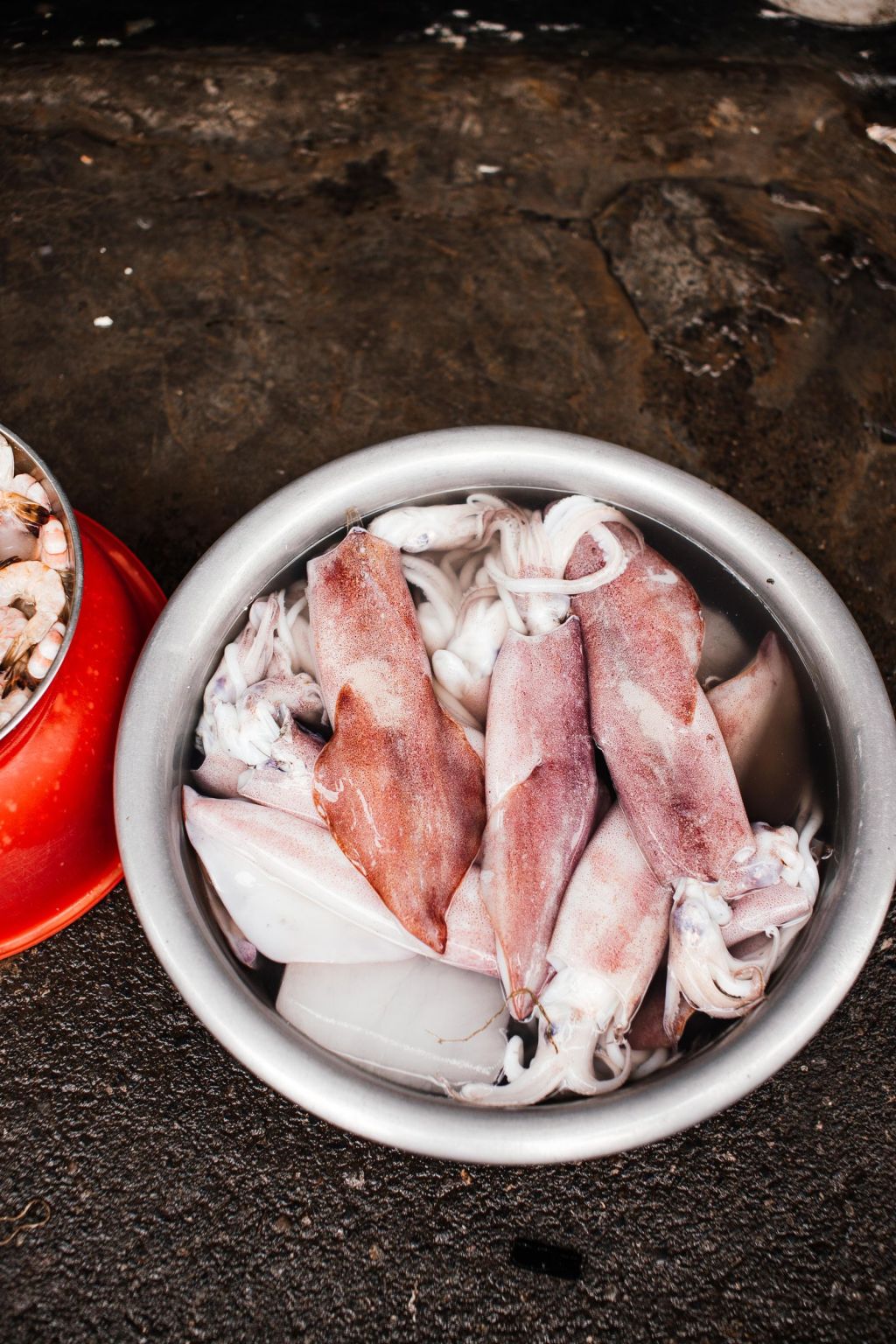
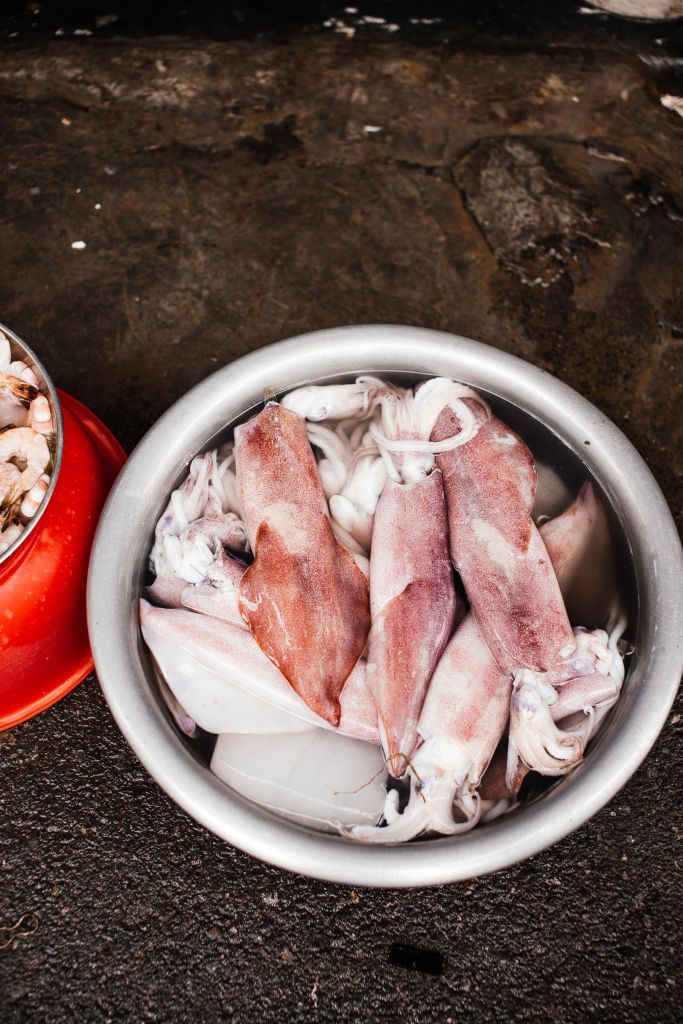
Ojingeo-jeot (오징어젓) is salted, lightly fermented squid mixed with a red chili dressing. It is one of the most popular kinds of jeotgal – Korean salted seafood – alongside saeujeot (salted shrimp) and myeongnan-jeot (pollock roe). A small spoonful on hot rice is a classic Korean breakfast or late-night meal, and it is sold ready-to-eat in tubs at Korean markets.
Ojingeo-jeot at a Glance
What it is
- Salted, fermented squid strips in a spicy seasoning (a type of jeotgal)
Main ingredients
- Squid, salt, gochugaru, garlic, ginger, syrup or sugar, green onion, sesame seeds
Taste
- Salty, spicy-sweet and savory, with a chewy-tender texture
Main uses
- Side dish with rice, rice balls, mixed with cucumber, on boiled pork
What is Ojingeo-jeot Made Of?
Fresh squid is cleaned, cut into thin strips and salted, then left to cure and ferment in the cold so it becomes tender and develops a savory depth. It is then mixed with gochugaru, garlic, ginger and a sweetener such as starch syrup. Because the curing process needs careful salt levels and temperature control, most people buy it ready-made. You’ll find:
- Classic ojingeo-jeot: red, spicy and moderately salty.
- Low-salt (jeoyeom) ojingeo-jeot: milder, popular as a side dish – must be kept cold and eaten sooner.
- Homemade-style: made fresh in small batches by Korean home cooks and side-dish shops.
What Does Ojingeo-jeot Taste Like?
It is salty first, then sweet and spicy, with a deep seafood umami from fermentation. The squid is softer than fresh squid and slightly chewy. It is strong, so Koreans eat only a little at a time with lots of rice – much like an anchovy or a pickle.
Popular Korean Dishes That Use Ojingeo-jeot
Ojingeo-jeot with Rice
A spoonful on hot rice, sometimes wrapped in roasted seaweed.
Ojingeo-jeot Oi Muchim
Mixed with crunchy cucumber to soften the saltiness – the recipe below.
Ojingeo-jeot Jumeokbap
Chopped squid jeot mixed into rice balls with sesame oil.
With Bossam
Served as a salty, spicy topping for boiled pork wraps.
Easy Ojingeo-jeot Cucumber Muchim Recipe (Serves 2–3)
Ingredients
- 1/2 cup (about 100 g) store-bought ojingeo-jeot
- 1 Korean or Persian cucumber
- 1/4 tsp salt (for the cucumber)
- 1 green onion, finely chopped
- 1/2 tsp gochugaru (optional, for extra heat)
- 1 tsp honey or oligodang
- 1 tsp sesame oil
- 1 tsp toasted sesame seeds
Instructions
- Halve the cucumber lengthwise and slice thinly. Toss with the salt and let sit 10 minutes, then squeeze out the water.
- If the ojingeo-jeot pieces are long, cut them into bite-size strips with scissors.
- In a bowl, combine the squid jeot, cucumber, green onion, gochugaru and honey. Mix gently.
- Finish with sesame oil and sesame seeds.
- Serve right away with hot rice. Eat within 1 day – the cucumber softens over time.
Tip: Taste before adding anything salty. Ojingeo-jeot is already well seasoned, and the cucumber is there to balance it.
Where to Buy Ojingeo-jeot
United States
As an Amazon Associate, I earn from qualifying purchases.
Amazon
Search Korean salted squid on Amazon
H-Mart
Search salted squid on H-Mart
Search jeotgal on H-Mart
Canada
Search Korean salted squid on Amazon.ca
Europe
Search Korean salted squid on Amazon.co.uk
In stores, look for it in the refrigerated or frozen jeotgal section, labeled “seasoned squid” or 오징어젓.
How to Store Ojingeo-jeot
Keep ojingeo-jeot sealed in the refrigerator and follow the date on the package – low-salt versions spoil faster than traditional ones. Always use a clean, dry spoon. For longer storage, freeze in small portions for up to 2–3 months; it does not freeze rock-hard because of the salt, so you can scoop what you need.
Ojingeo-jeot FAQ
Is ojingeo-jeot raw?
Yes. The squid is not cooked; it is cured with salt and fermented. Like other raw seafood, it may not suit pregnant women or people with weakened immune systems.
Is ojingeo-jeot the same as dried squid?
No. Dried squid snacks like ojingeo-chae are dried; ojingeo-jeot is moist, salted and fermented.
Is it very spicy?
It is moderately spicy and more salty than hot. Mixing it with cucumber or rice tones it down.
Conclusion
Ojingeo-jeot is a bold Korean jeotgal: salty, spicy and full of seafood umami. A tub in the fridge means you always have a quick side dish for rice, and mixing it with cucumber makes it fresh and balanced. Discover more salted seafood in our saeujeot guide.


Leave a Reply