Introduction
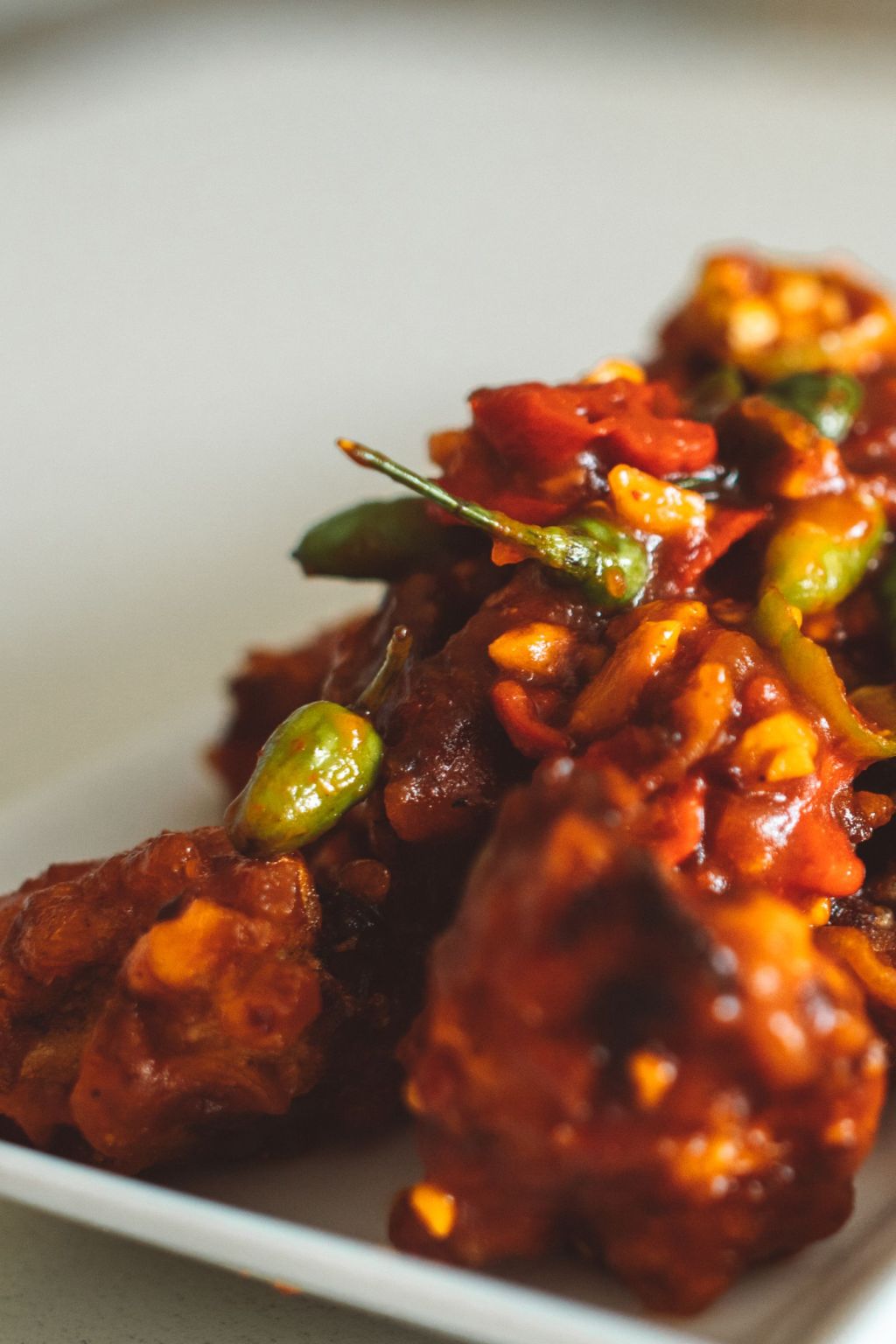
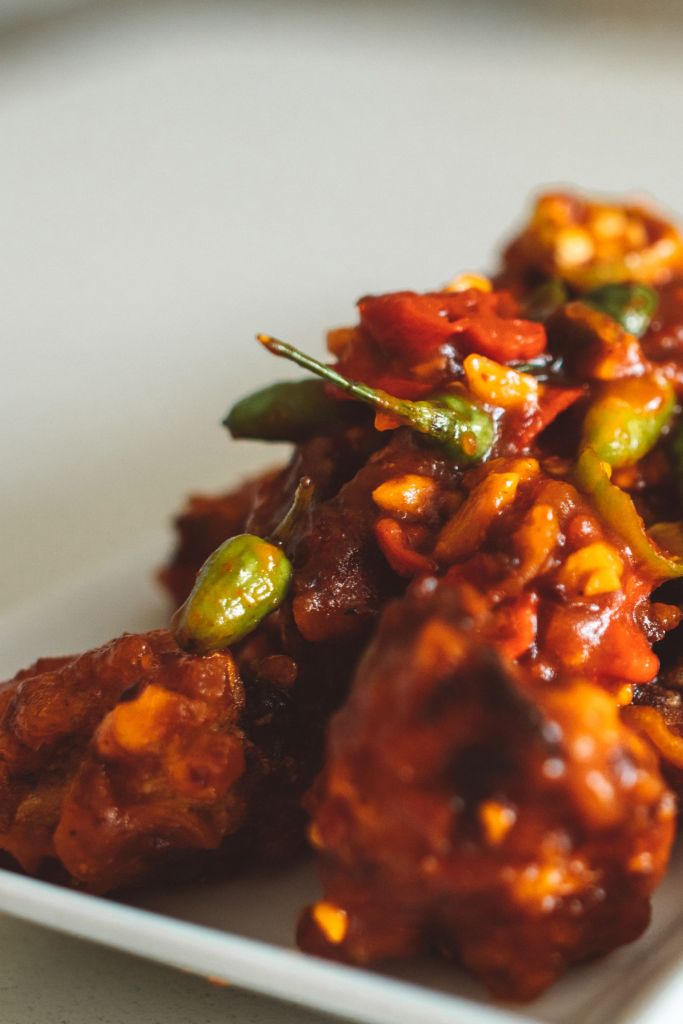
Rajogi (라조기) is a Korean-Chinese restaurant dish of crispy fried chicken stir-fried with dried red chilies, vegetables and a spicy, savory sauce. The name comes from the Chinese lajiao ji (“chili chicken”). If kkanpunggi is the tangy, garlicky chicken of the Korean-Chinese menu, rajogi is its fierier, saucier sibling – a favorite with drinks and for spice lovers.
Rajogi Sauce at a Glance
What it is
- A spicy chili-oil and soy stir-fry sauce for fried chicken and vegetables
Main ingredients
- Dried red chilies, chili oil, soy sauce, oyster sauce, garlic, ginger, sugar, chicken stock, starch slurry
Taste
- Hot, savory and smoky with a little sweetness
Main uses
- Rajogi, rayugi (chili-oil fried pork or seafood), spicy stir-fried tofu
What is Rajogi Sauce Made Of?
Dried chilies, garlic and ginger are fried in oil to make an aromatic, chili-infused base. Vegetables such as bamboo shoots, bell peppers, mushrooms, onion and bok choy are stir-fried in it, then soy sauce, oyster sauce, a little sugar and stock are added and thickened with starch before the fried chicken goes in. Typical variations:
- Classic: soy-based brown sauce with lots of dried chilies and chili oil.
- Extra spicy: chopped cheongyang chilies or gochu-gireum (Korean chili oil).
- Seafood or pork version: the same sauce on shrimp, squid or pork.
What Does Rajogi Sauce Taste Like?
The sauce is savory and deeply chili-forward, with a toasty, smoky heat from fried dried chilies rather than the fermented sweetness of gochujang. Oyster sauce adds rich umami, and the light starch gloss carries the flavor into the crispy chicken and crunchy vegetables. It is noticeably spicier than kkanpunggi or tangsuyuk.
Popular Korean Dishes That Use Rajogi Sauce
Rajogi
Crispy chicken with chilies and vegetables. Recipe below.
Rajogi-bap
A rice-bowl version served at lunchtime in Chinese-Korean restaurants.
Rayugi
A related dish where fried meat or seafood is tossed in a chili-oil sauce.
Spicy Stir-Fried Tofu
Fried tofu cubes make an easy meat-free swap.
Easy Rajogi Recipe (Serves 2–3)
Ingredients
- 1 lb (450 g) boneless chicken thighs, cut into bite-size pieces
- 1 tbsp cooking wine, 1 tsp soy sauce, pinch of salt and pepper, 1 tsp minced ginger
- 1 egg, 1/2 cup (60 g) potato starch or cornstarch
- Neutral oil for frying
- 1/2 onion, 1/2 bell pepper, a handful of sliced mushrooms and bamboo shoots, 2 bok choy (optional)
Rajogi sauce
- 2 tbsp chili oil (or neutral oil), 8–10 dried red chilies, snipped
- 1 tbsp minced garlic, 1 tsp minced ginger, 1 scallion, chopped
- 1 tbsp cooking wine, 1 1/2 tbsp soy sauce, 1 tbsp oyster sauce, 1 tsp sugar
- 2/3 cup (160 ml) chicken stock or water
- 1 tbsp starch mixed with 2 tbsp water; 1 tsp sesame oil
Instructions
- Marinate the chicken with wine, soy sauce, salt, pepper and ginger for 15 minutes. Mix in the egg, then the starch, to form a thick coating.
- Heat 1.5–2 inches (4–5 cm) of oil in a heavy pot to 340–350°F (170–175°C). Fry the chicken in batches for 4–5 minutes, then drain. Refry for 1–2 minutes at about 360°F (180°C) until deep golden and the thickest piece reaches 165°F (74°C).
- In a wok over medium heat, warm the chili oil and fry the dried chilies, garlic, ginger and scallion for 30–40 seconds until fragrant (don’t let the chilies blacken).
- Turn the heat to high, add the vegetables and stir-fry 1–2 minutes. Pour the wine around the edge of the wok.
- Add soy sauce, oyster sauce, sugar and stock and bring to a boil. Stir in the slurry until glossy and thickened.
- Add the fried chicken, toss to coat, drizzle with sesame oil and serve right away with rice.
Tip: For safe deep frying, fill the pot no more than halfway, use a thermometer, lower the chicken in gently and never leave the oil unattended. Keep a lid nearby and never use water on an oil fire. Frying dried chilies releases strong fumes – turn on the range hood.
Where to Buy Rajogi Sauce Ingredients
United States
As an Amazon Associate, I earn from qualifying purchases.
Amazon
Search dried red chilies on Amazon
Search chili oil on Amazon
Search oyster sauce on Amazon
H-Mart
Search dried chili on H-Mart
Canada
Search dried red chilies on Amazon.ca
Europe
Search dried red chilies on Amazon.co.uk
How to Store Rajogi Sauce
Mix the liquid sauce ingredients ahead and refrigerate for up to 5 days; add the starch slurry only when cooking. Keep dried chilies in an airtight jar away from light for several months. Leftover rajogi keeps 1–2 days in the fridge; reheat in a pan or air fryer until steaming hot.
Rajogi FAQ
What does rajogi mean?
It is the Korean pronunciation of the Chinese name for “chili chicken.”
What is the difference between rajogi and kkanpunggi?
Kkanpunggi uses a thin, tangy soy-vinegar-garlic sauce; rajogi has a spicier chili-oil sauce with vegetables and a light starch gloss.
Is rajogi very spicy?
It is one of the spicier Korean-Chinese dishes, but you control the heat with the number of chilies.
Can I use chicken breast?
Yes, though thighs stay juicier. Cut breast pieces evenly and don’t overcook.
Conclusion
Rajogi sauce brings the smoky fire of dried chilies to Korean-Chinese fried chicken. Make it once and you have a template for spicy stir-fries with shrimp, pork or tofu. For a milder Korean-Chinese classic, try our tangsuyuk sauce.


Leave a Reply