Introduction
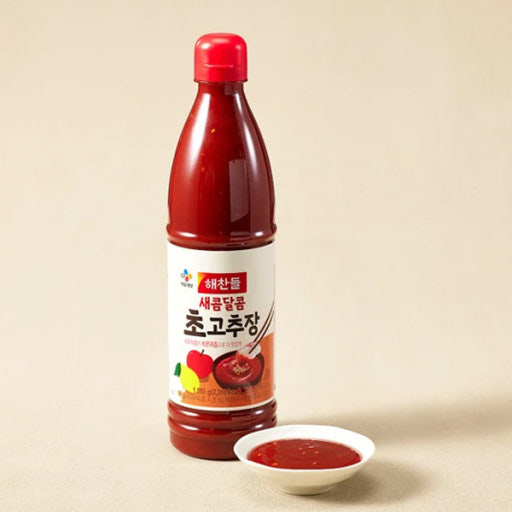
Chogochujang is a popular Korean dipping sauce made from gochujang, vinegar, and sugar. The name comes from the Korean word “cho,” meaning vinegar, combined with “gochujang,” the famous fermented red chili paste used in many Korean dishes. When these ingredients are mixed together, they create a bright red sauce that tastes sweet, tangy, and slightly spicy.
In Korean cuisine, chogochujang is commonly served as a dipping sauce rather than a cooking sauce. The addition of vinegar makes it lighter and more refreshing than regular gochujang, which is thicker and more intensely fermented. Because of this balanced flavor, chogochujang pairs especially well with seafood and fresh vegetables.
This sauce is widely recognized in Korea as a classic accompaniment for raw fish dishes, boiled seafood, and various cold dishes. Its simple combination of ingredients makes it easy to prepare, yet the flavor is bold enough to enhance many traditional foods.
Chogochujang is also commonly served in Korean restaurants alongside seafood platters or raw fish. The sweet and sour taste helps highlight the freshness of the ingredients while adding a gentle chili heat.
Chogochujang at a Glance
- What it is: A Korean sweet, sour, and spicy dipping sauce based on gochujang
- Main ingredients: Gochujang, vinegar, and sugar, often with sesame seeds or garlic
- Taste: Tangy and sweet first, followed by a mild chili heat
- Main uses: Dipping sauce for raw fish (hoe), boiled octopus and seafood, hoedeopbap, bibimbap, and fresh vegetables
What is Chogochujang Made Of?
The main ingredients used to make chogochujang are gochujang, vinegar, and sugar. Gochujang provides the deep red color, fermented flavor, and mild heat that form the base of the sauce. Vinegar adds the signature tangy taste that distinguishes chogochujang from regular chili paste.
Sugar or other sweeteners are added to balance the acidity of the vinegar and the spiciness of the chili paste. This combination of sweet, sour, and spicy flavors is what makes the sauce so distinctive.
Some versions of chogochujang include additional ingredients such as sesame seeds, sesame oil, or minced garlic. These ingredients enhance the aroma and add complexity to the flavor. In certain recipes, Korean plum extract or corn syrup may also be used to create a smoother sweetness.
Despite these small variations, the essential recipe remains simple. The base mixture of gochujang, vinegar, and sugar defines the sauce and gives it its well-known flavor profile.
What Does Chogochujang Taste Like?
Chogochujang has a flavor that is both vibrant and balanced. The sweetness from sugar softens the spiciness of the chili paste, while the vinegar adds a refreshing sourness. Together, these elements create a sauce that is bold but not overwhelming.
Compared to plain gochujang, chogochujang tastes lighter and more refreshing. The fermented depth of gochujang remains present, but the vinegar introduces a brightness that makes the sauce feel more suitable for dipping and cold dishes.
The texture is usually smooth and slightly thick, allowing it to coat seafood or vegetables easily. Because the sauce has both sweetness and acidity, it complements ingredients that have natural ocean flavors, such as fish or shellfish.
This balanced taste is one of the reasons chogochujang is widely used in Korean seafood cuisine.
Popular Korean Dishes That Use Chogochujang
Hoe (Korean Raw Fish)
Hoe is the Korean style of sashimi made with fresh raw fish. Chogochujang is often served as a dipping sauce alongside slices of fish. The sweet and tangy flavor enhances the freshness of the seafood and adds a mild spicy kick.

Hoedeopbap (Korean Raw Fish Rice Bowl)
Hoedeopbap is a rice bowl topped with raw fish, vegetables, and seaweed. Chogochujang is typically mixed into the bowl and stirred together with the rice. The sauce adds flavor and brings all the ingredients together with its sweet and spicy taste.

Bibimbap (Korean Mixed Rice)
Bibimbap is one of the most famous Korean dishes made with rice, vegetables, meat, and egg. Chogochujang or a similar gochujang-based sauce is often added to the bowl and mixed with the ingredients to create a sweet, tangy, and spicy flavor.

Easy Chogochujang Recipe
Homemade chogochujang takes about 5 minutes and needs no cooking. This recipe makes about 1/2 cup, enough for a seafood platter or two to three rice bowls.
Ingredients
- 3 tablespoons gochujang
- 2 tablespoons rice vinegar (or apple cider vinegar)
- 1 tablespoon sugar (or honey)
- 1 teaspoon minced garlic (optional)
- 1 teaspoon sesame oil (optional)
- 1 teaspoon toasted sesame seeds
Instructions
- Add the gochujang, vinegar, and sugar to a small bowl.
- Stir until the sugar dissolves and the sauce is smooth and glossy.
- Mix in the garlic and sesame oil if using.
- Taste and adjust: add a little more vinegar for tang or sugar for sweetness.
- Sprinkle with sesame seeds and serve with raw fish, boiled seafood, or a rice bowl.
Tip: Let the sauce rest in the fridge for 15–30 minutes before serving so the flavors blend. If it is too thick for dipping, stir in a teaspoon of water or lemon juice.
Where to Buy Chogochujang
United States
H-Mart
https://www.hmart.com/search?type=product&q=chogochujang
As an Amazon Associate, I earn from qualifying purchases.
Amazon
https://www.amazon.com/s?k=chogochujang
Walmart
https://www.walmart.com/search?q=chogochujang
Canada
H-Mart Canada
https://www.hmart.ca
Amazon Canada
https://www.amazon.ca/s?k=chogochujang
Europe
Sous Chef
https://www.souschef.co.uk/search?q=chogochujang
Oriental Mart
https://www.orientalmart.co.uk/search?type=product&q=chogochujang
Asia Market
https://www.asiamarket.ie/?s=chogochujang
How to Store Chogochujang
Chogochujang should be stored in a sealed container in the refrigerator. Because it contains gochujang and vinegar, the sauce generally stays fresh for a relatively long time when chilled.
Homemade chogochujang should ideally be consumed within one to two weeks for the best flavor. Store-bought versions may last longer depending on preservatives and packaging.
Keeping the container tightly closed helps maintain the sauce’s flavor and prevents it from absorbing odors from other foods in the refrigerator.
Chogochujang FAQ
Is chogochujang spicy?
Chogochujang is only mildly spicy. The vinegar and sugar soften the heat of the gochujang, so most people taste sweetness and tang first. If you want it hotter, use a hot-level gochujang or add a pinch of gochugaru.
What is the difference between chogochujang and gochujang?
Gochujang is the thick fermented chili paste itself, used mainly for cooking stews, marinades, and stir-fries. Chogochujang is a ready-to-eat sauce made by mixing gochujang with vinegar and sugar, so it is thinner, tangier, and meant for dipping rather than cooking.
What can I substitute for chogochujang?
The easiest substitute is to make it yourself with gochujang, vinegar, and sugar using the recipe above. If you have no gochujang, a mix of sriracha, a little honey, and rice vinegar gives a similar sweet-sour heat, although it lacks the fermented depth.
Is chogochujang the same as yangnyeom sauce?
No. Both use gochujang, but chogochujang is a cold, tangy dipping sauce for seafood, while yangnyeom sauce is a sticky, garlicky glaze cooked for Korean fried chicken.
Conclusion
Chogochujang is a traditional Korean sauce that combines the rich flavor of gochujang with the bright acidity of vinegar and the sweetness of sugar. The result is a sauce that is sweet, tangy, and slightly spicy.
It is most commonly used as a dipping sauce for seafood dishes such as raw fish, octopus, and rice bowls. Its balanced flavor makes it a refreshing addition to Korean cuisine and an easy introduction to Korean sauces.
Understanding chogochujang helps readers explore the diverse range of Korean condiments and appreciate how simple ingredients can create bold and memorable flavors. If you enjoy it, try another gochujang-based favorite next: tteokbokki sauce.


Leave a Reply