Introduction
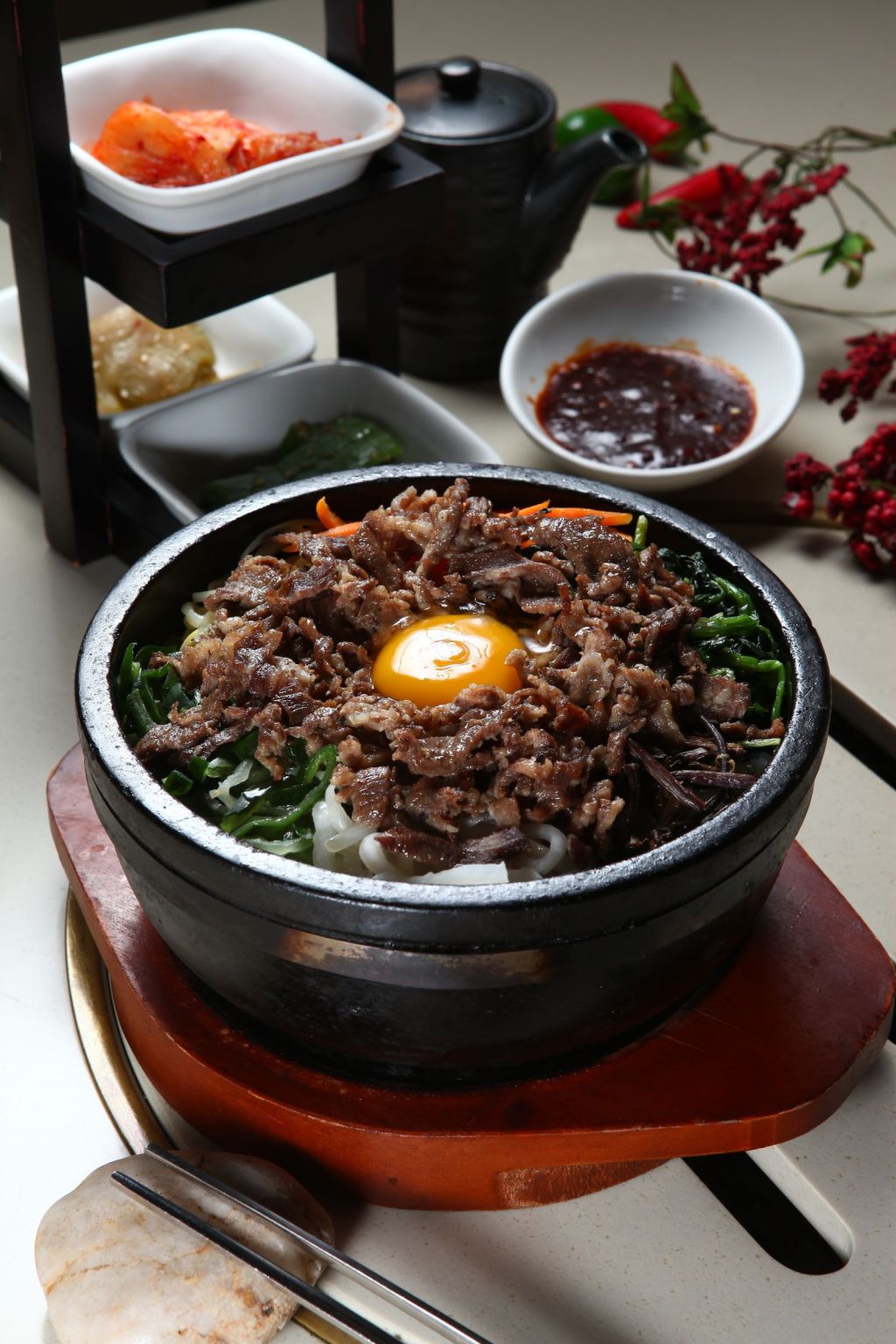
Yakgochujang (약고추장) is Korean stir-fried gochujang: regular gochujang slowly cooked with ground beef, sesame oil, garlic and a sweetener until it turns glossy and rich. The name roughly means “medicinal” or “tonic” gochujang, a nod to how nourishing it was considered. It is the classic sauce for bibimbap, a handy topping for plain rice, and a staple in Korean lunchboxes and travel bags because it keeps well and needs no cooking at the table.
Yakgochujang at a Glance
Quick facts
- What it is: gochujang stir-fried with beef and seasonings
- Main ingredients: gochujang, ground beef, sesame oil, garlic, honey or sugar, pine nuts
- Taste: savory, sweet, gently spicy and nutty
- Main uses: bibimbap, rice topping, lettuce wraps, dipping vegetables
What is Yakgochujang Made Of?
The base is gochujang, the fermented chili paste. Finely minced or ground beef is browned in sesame oil with garlic, then the paste goes in with a little water, honey or sugar and sometimes rice syrup. Toasted pine nuts are the traditional finishing touch.
Types of yakgochujang
- Beef yakgochujang: the classic version with ground beef.
- Vegetarian yakgochujang: made with mushrooms or tofu instead of meat.
- Tuna or anchovy versions: home variations using canned tuna or small dried anchovies.
- Store-bought pouches and jars: ready-made stir-fried gochujang, often labeled “bibimbap gochujang”.
What Does Yakgochujang Taste Like?
Cooking softens the raw, sharp edge of gochujang. Yakgochujang tastes rounder and sweeter, with meaty depth from the beef, a toasty aroma from sesame oil and a mild heat that builds slowly. The texture is thick and glossy, almost like a spicy meat jam.
Popular Korean Dishes That Use Yakgochujang
Bibimbap
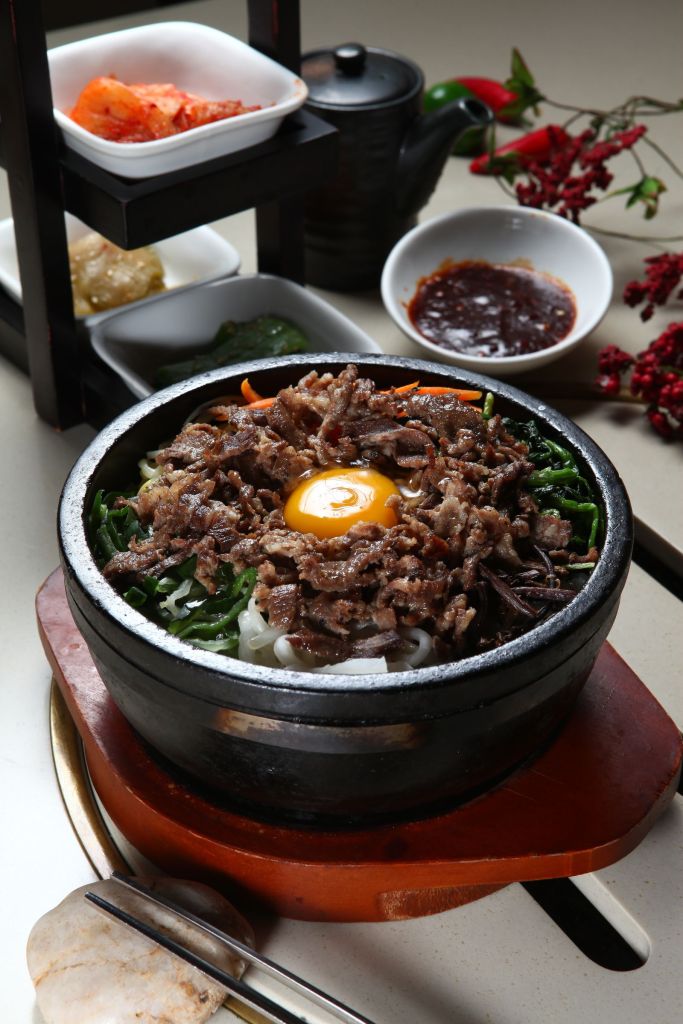
The most famous use: a spoonful mixed through rice and vegetables. Recipe below.
Ssambap (lettuce wraps)
A small dab on rice wrapped in lettuce or perilla leaves, much like ssamjang.
Jumeokbap (rice balls)
Rice mixed with yakgochujang and shaped into balls for picnics and lunchboxes.
Vegetable dip
Served with raw cucumber, peppers or carrot sticks as a quick side.
Easy Bibimbap with Yakgochujang Recipe (Serves 2)
Yakgochujang
- 100 g (3.5 oz) ground beef
- 1 tbsp sesame oil
- 1 tsp minced garlic
- 5 tbsp gochujang
- 1.5 tbsp honey or sugar
- 3 tbsp water
- 1 tbsp pine nuts (optional)
Bibimbap
- 2 bowls cooked short-grain rice
- 1 small zucchini, julienned
- 1 carrot, julienned
- 2 handfuls spinach or bean sprouts, blanched
- 4 shiitake mushrooms, sliced
- 2 eggs
- Salt, sesame oil and toasted sesame seeds
Instructions
- Heat the sesame oil in a small pan over medium heat. Add the beef and garlic and stir-fry, breaking up the meat, until fully browned.
- Turn the heat to low. Add the gochujang, honey and water and stir constantly for 4–5 minutes until thick and glossy. Stir in the pine nuts and let cool.
- Stir-fry the zucchini, carrot and mushrooms separately in a little oil with a pinch of salt until just tender. Season the blanched spinach or sprouts with salt and a drop of sesame oil.
- Fry the eggs sunny side up.
- Put rice in each bowl, arrange the vegetables on top in sections, add an egg and 1–2 tbsp yakgochujang. Sprinkle with sesame seeds, mix well and eat.
Tip: Keep the heat low once the gochujang is in the pan. It contains sugar and scorches quickly, which makes it bitter.
Where to Buy Yakgochujang
United States
As an Amazon Associate, I earn from qualifying purchases.
Amazon
Search bibimbap gochujang sauce on Amazon
H-Mart
Search gochujang on H-Mart
Canada
Search bibimbap gochujang on Amazon.ca
Europe
Search bibimbap gochujang on Amazon.co.uk
How to Store Yakgochujang
Cool homemade yakgochujang completely, then keep it in a clean airtight jar in the refrigerator and use it within about 2 weeks. Always scoop with a clean, dry spoon. For longer storage, freeze small portions for up to 2 months. Store-bought versions should be refrigerated after opening and used by the label date.
Yakgochujang FAQ
What is the difference between gochujang and yakgochujang?
Gochujang is the raw fermented chili paste. Yakgochujang is gochujang cooked with beef, sesame oil and sweetener, so it is milder, sweeter and ready to eat as a sauce.
Is yakgochujang spicy?
It is mildly to moderately spicy, depending on the gochujang you use. The sweetener and beef make it gentler than plain gochujang.
Can I make yakgochujang without meat?
Yes. Use finely chopped shiitake mushrooms or crumbled firm tofu in place of the beef, and check that your gochujang is vegan-friendly.
Conclusion
Yakgochujang turns a tub of gochujang into a ready-made bibimbap sauce that keeps in the fridge for weeks. Make a small jar, and a bowl of rice with vegetables and an egg becomes a full meal in minutes. For more Korean pantry sauces, see our guides to gochujang and bulgogi marinade.


Leave a Reply