Introduction
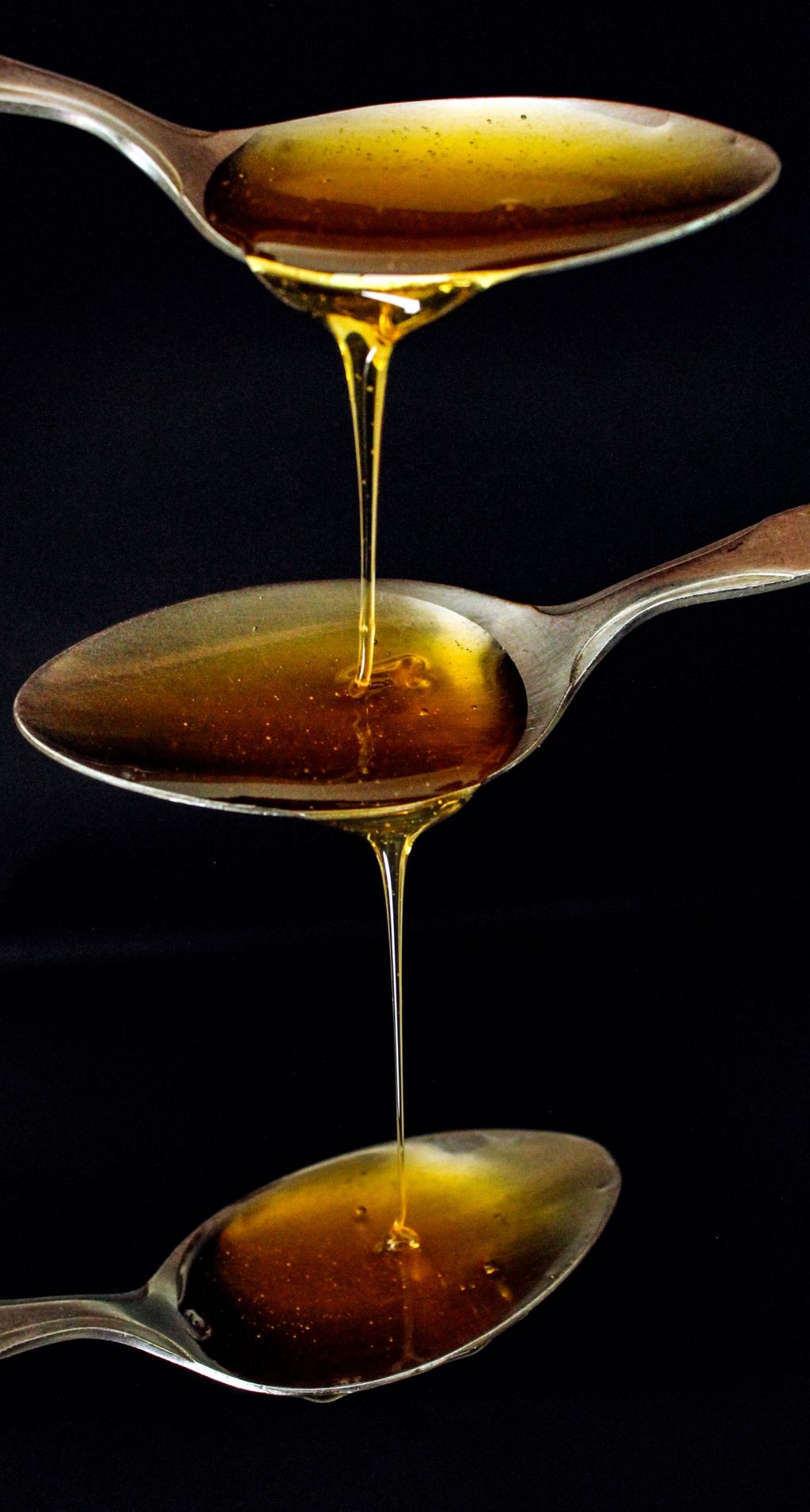
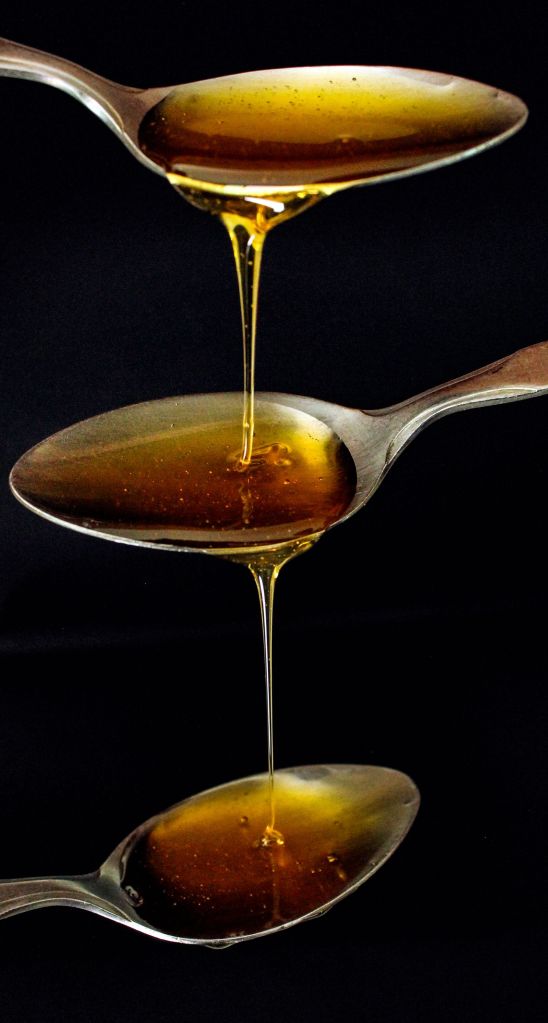
Oligodang (올리고당) is Korean oligosaccharide syrup, a clear, mildly sweet cooking syrup found in almost every Korean kitchen. Korean home cooks reach for it when a recipe calls for “syrup” to add gentle sweetness and a glossy shine to braised and stir-fried side dishes. It sits on the shelf next to mulyeot (starch syrup) and jocheong (rice syrup), and the three are often used interchangeably, though each behaves a little differently.
Oligodang at a Glance
Quick facts
- What it is: a liquid sweetener made of oligosaccharides
- Main ingredients: fructo-oligosaccharides or isomalto-oligosaccharides made from sugar or starch, plus other sugars
- Taste: clean, mild sweetness, less sweet than sugar
- Main uses: jorim (braised banchan), bokkeum (stir-fries), sauces, marinades, drinks
What is Oligodang Made Of?
Oligosaccharides are short chains of sugar molecules. Commercial oligodang is produced by treating sugar or starch with enzymes. Products sold in Korea are labeled by type and by the share of oligosaccharides they contain, and the rest of the syrup is other sugars and water. Brands such as CJ Beksul and Ottogi sell it in squeeze bottles.
Types of oligodang
- Fructo-oligosaccharide syrup (프락토올리고당): made from sugar; clear and mild.
- Isomalto-oligosaccharide syrup (이소말토올리고당): made from starch; slightly thicker and often recommended for cooking with heat.
- Galacto-oligosaccharide syrup: less common, sold mainly as a health product.
What Does Oligodang Taste Like?
It tastes like a light, clean sugar syrup with no flavor of its own, much milder than honey. Because it is less sweet than sugar, you may need a little more to reach the same sweetness. Its real job in Korean cooking is texture: it gives side dishes a shiny, sticky coat.
Popular Korean Dishes That Use Oligodang
Kongjaban
Sweet soy-braised black beans with a glossy finish. Recipe below.
Myeolchi bokkeum
Stir-fried dried anchovies glazed with syrup.
Tteokbokki
Many home tteokbokki recipes use oligodang instead of sugar for a shiny sauce.
Dakgangjeong
The sticky glaze for dakgangjeong often includes Korean syrup.
Easy Kongjaban Recipe (Serves 4–6 as banchan)
Ingredients
- 1 cup dried black soybeans
- 3 cups water for soaking, plus 2 cups for cooking
- 1 tbsp toasted sesame seeds
Braising sauce
- 4 tbsp soy sauce
- 1 1/2 tbsp sugar
- 3 tbsp oligodang (or other Korean syrup)
- 1 tbsp cooking oil
Instructions
- Rinse the beans and soak them in 3 cups of water for 6 hours or overnight.
- Drain the beans, put them in a pot with 2 cups of fresh water and bring to a boil. Simmer for 15–20 minutes, skimming off foam, until the beans are tender but not mushy.
- Add the soy sauce and sugar and simmer on medium-low for 15–20 minutes, stirring now and then, until only a few spoonfuls of liquid remain.
- Add the oligodang and oil and cook for 2–3 minutes more, stirring, until the beans look glossy.
- Turn off the heat, sprinkle with sesame seeds and let cool. The glaze firms up as it cools.
Tip: Add oligodang at the end of cooking, not at the start. Long, high heat can break down oligosaccharides and reduce the shine.
Where to Buy Oligodang
United States
As an Amazon Associate, I earn from qualifying purchases.
Amazon
Search Korean oligosaccharide syrup on Amazon
H-Mart
Search oligo syrup on H-Mart
Canada
Search Korean oligosaccharide syrup on Amazon.ca
Europe
Search Korean oligosaccharide syrup on Amazon.co.uk
How to Store Oligodang
Store the closed bottle in a cool, dark pantry. After opening, close the cap tightly, wipe the spout clean and follow the label: many brands can stay at room temperature, while some recommend refrigeration in hot weather. Use by the date printed on the bottle.
Oligodang FAQ
What is the difference between oligodang and mulyeot?
Mulyeot is a thick starch (corn or rice) syrup that gives a stronger sticky gloss. Oligodang is thinner, a bit less sweet and made of oligosaccharides. In most recipes you can swap one for the other.
What can I use instead of oligodang?
Mulyeot, rice syrup, light corn syrup or honey. Honey is sweeter and has its own flavor, so use a little less.
Can I cook with oligodang over high heat?
Yes, but it is best added near the end. Isomalto-oligosaccharide syrup handles heat better than fructo-oligosaccharide syrup.
Conclusion
Oligodang is the quiet helper behind many shiny Korean side dishes. Keep a bottle with your soy sauce and sesame oil, and add it at the end of cooking for glossy kongjaban, anchovies or tteokbokki. Compare it with mulyeot and jocheong to find the syrup you like best.


Leave a Reply