Introduction
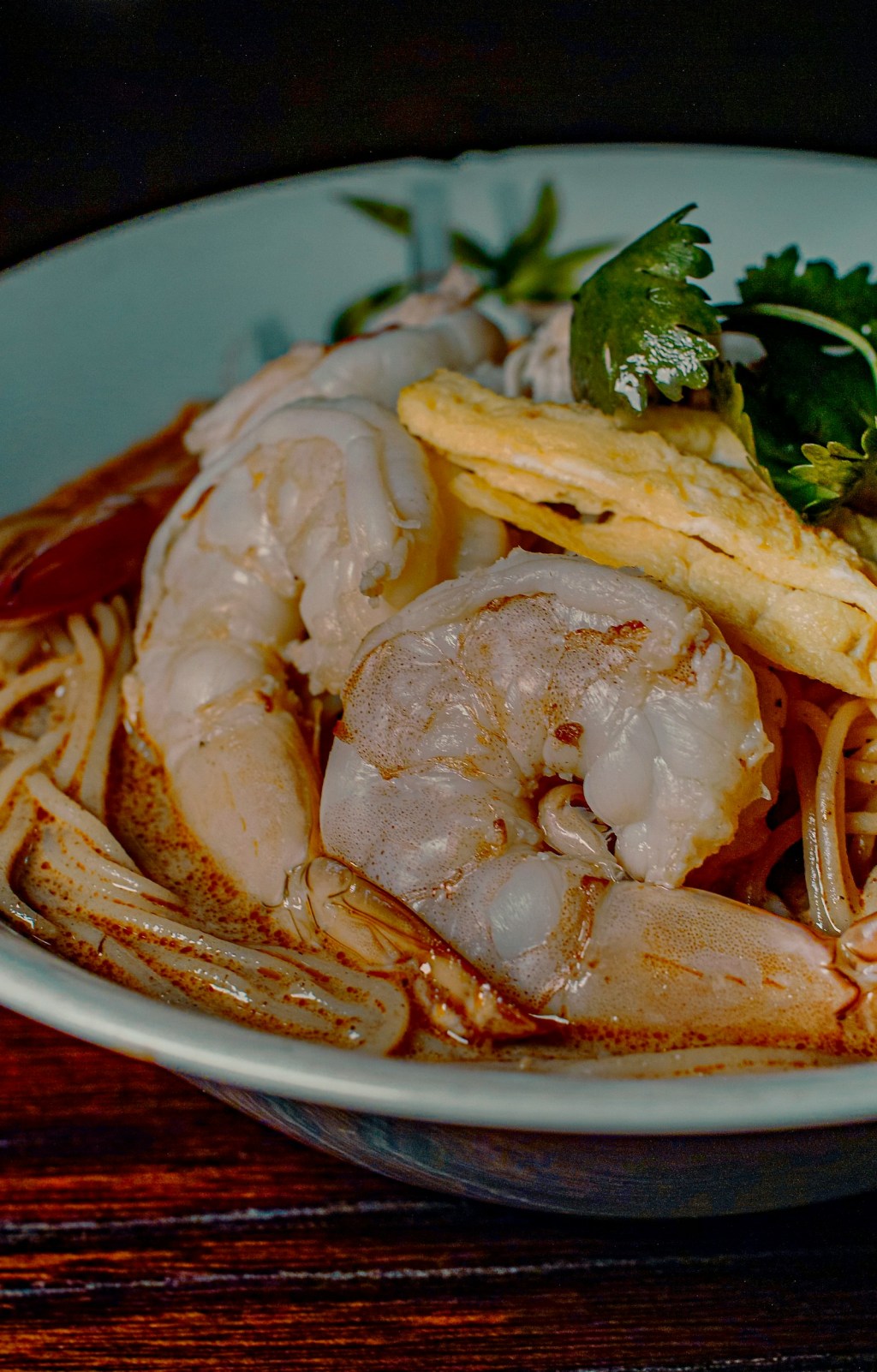
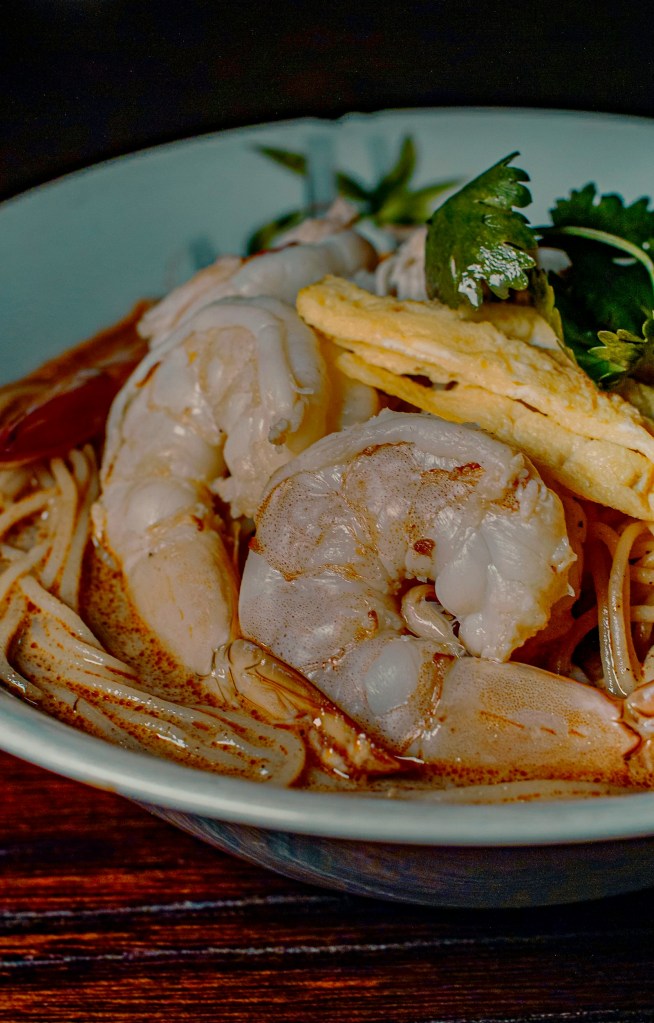
Jjamppong sauce (짬뽕 양념) is the spicy, smoky seasoning base for jjamppong, the red seafood noodle soup served at every Korean-Chinese restaurant alongside jjajangmyeon. Instead of a single bottled sauce, the flavor comes from stir-frying garlic, green onion, meat and vegetables in oil with Korean chili flakes over very high heat, then adding stock and seafood. Today you can also buy ready-made jjamppong sauce and soup bases that make the dish easy at home.
Jjamppong Sauce at a Glance
Quick facts
- What it is: a chili-oil and soy seasoning base for spicy seafood noodle soup
- Main ingredients: gochugaru, cooking oil, garlic, green onion, soy sauce, oyster sauce
- Taste: spicy, smoky and savory with a deep seafood flavor once simmered
- Main uses: jjamppong, jjamppong-bap (rice soup), spicy seafood stir-fries
What is Jjamppong Sauce Made Of?
The heart of jjamppong is a quick homemade chili oil: garlic and green onion are sizzled in oil, then gochugaru is added off the high heat so it blooms without burning. Soy sauce and oyster sauce bring savory depth, and a small amount of sugar or salt balances it. Restaurants stir-fry pork, cabbage, onion, carrot and zucchini in this red oil over a roaring flame, which gives the soup its smoky “wok” flavor. Chicken stock or anchovy-kelp stock and seafood such as mussels, squid and shrimp finish the broth. Bottled versions combine chili, soy, seafood extract and seasonings in one jar.
Types of jjamppong
- Red jjamppong: the classic spicy version with gochugaru chili oil.
- Baek jjamppong (white): a clear, non-red seafood broth seasoned with salt and pepper.
- Bokkeum jjamppong: a stir-fried, nearly brothless version.
- Instant jjamppong ramyeon: packaged noodles with a spicy seafood soup base.
What Does Jjamppong Sauce Taste Like?
Jjamppong tastes spicy, smoky and deeply savory, with sweetness from the vegetables and briny flavor from the seafood. The chili oil coats the noodles and leaves a pleasant warmth rather than sharp heat, and the broth is rich enough to drink by the spoonful.
Popular Korean Dishes That Use Jjamppong Sauce
Jjamppong
Thick wheat noodles in spicy seafood and vegetable broth. Recipe below.
Jjamppong-bap
The same broth served over a bowl of rice instead of noodles.
Jjamppong tteokbokki
Rice cakes and seafood simmered in spicy jjamppong-style broth.
Haemul bokkeum
Spicy seafood stir-fry that uses the same chili oil base with less liquid.
Easy Jjamppong Recipe (Serves 2)
Ingredients
- 2 portions fresh or frozen wheat noodles (jjajang/udon-style noodles)
- 3 oz (85 g) pork shoulder or belly, thinly sliced
- 8 mussels, scrubbed, and 6 shrimp, peeled
- 1 small squid, cleaned and sliced (optional)
- 1/2 onion, sliced
- 2 cabbage leaves, cut into bite-size pieces
- 1/2 small zucchini and 1/4 carrot, sliced
- 4 cups (1 liter) chicken stock or anchovy-kelp stock
Jjamppong sauce base
- 3 tbsp cooking oil
- 1 tbsp minced garlic
- 1 green onion, chopped
- 2–3 tbsp gochugaru
- 1 tbsp soy sauce
- 1 tbsp oyster sauce
- Salt and black pepper to taste
Instructions
- Heat the oil in a large pot or wok over medium heat. Add the garlic and green onion and fry for 1 minute until fragrant.
- Add the pork and stir-fry until no longer pink. Turn the heat to low, add the gochugaru and stir for 20–30 seconds so it turns the oil red without burning.
- Turn the heat to high, add the onion, cabbage, zucchini and carrot, and stir-fry for 2 minutes. Add the soy sauce and oyster sauce.
- Pour in the stock and bring to a boil. Add the mussels, shrimp and squid and simmer for 4–5 minutes, until the mussels open and the shrimp are pink and opaque. Discard any mussels that stay closed. Season with salt and pepper.
- Meanwhile, cook the noodles in a separate pot according to the package, drain and divide into large bowls.
- Ladle the hot soup, vegetables and seafood over the noodles and serve immediately.
Tip: Keep the heat high when frying the vegetables and do not crowd the pot; that quick, hot stir-fry gives jjamppong its signature smoky taste.
Where to Buy Jjamppong Sauce
United States
As an Amazon Associate, I earn from qualifying purchases.
Amazon
Search jjamppong sauce on Amazon
Search jjamppong noodles on Amazon
H-Mart
Search jjamppong on H-Mart
Canada
Search jjamppong sauce on Amazon.ca
Europe
Search jjamppong sauce on Amazon.co.uk
How to Store Jjamppong Sauce
Refrigerate bottled jjamppong sauce after opening and use it by the date on the label. Homemade chili oil base keeps in a sealed jar in the fridge for about 2 weeks. Store leftover soup separately from the noodles, refrigerate within 2 hours and eat within 1–2 days, reheating until boiling.
Jjamppong Sauce FAQ
Is jjamppong Korean or Chinese?
It is a Korean-Chinese dish. It developed in Korea’s Chinese restaurants and is now considered a Korean comfort food.
How spicy is jjamppong?
Medium to hot. Use less gochugaru for a milder bowl, or try white baek jjamppong.
Can I use frozen seafood mix?
Yes. Thaw it in the fridge, drain well and add it in step 4.
What is the difference between jjamppong and jjajangmyeon?
Jjamppong is a spicy red soup, while jjajangmyeon is noodles in a thick, savory black bean sauce.
Conclusion
Jjamppong sauce is all about chili, garlic and high heat, building a smoky red base that turns seafood and noodles into a restaurant-style bowl. Make your own chili oil with our gochu-gireum guide, or complete a Korean-Chinese night with tangsuyuk.


Leave a Reply