Introduction
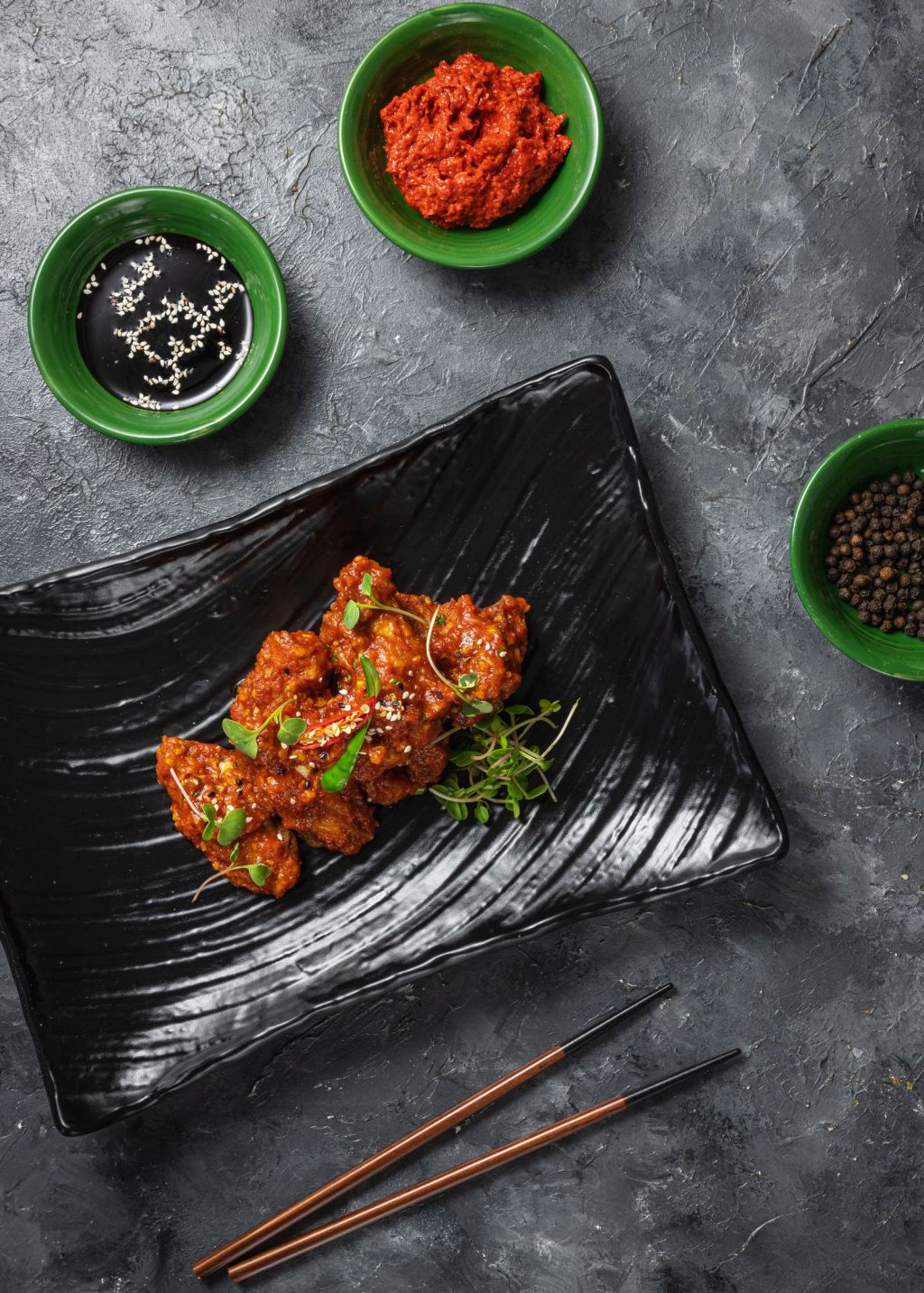
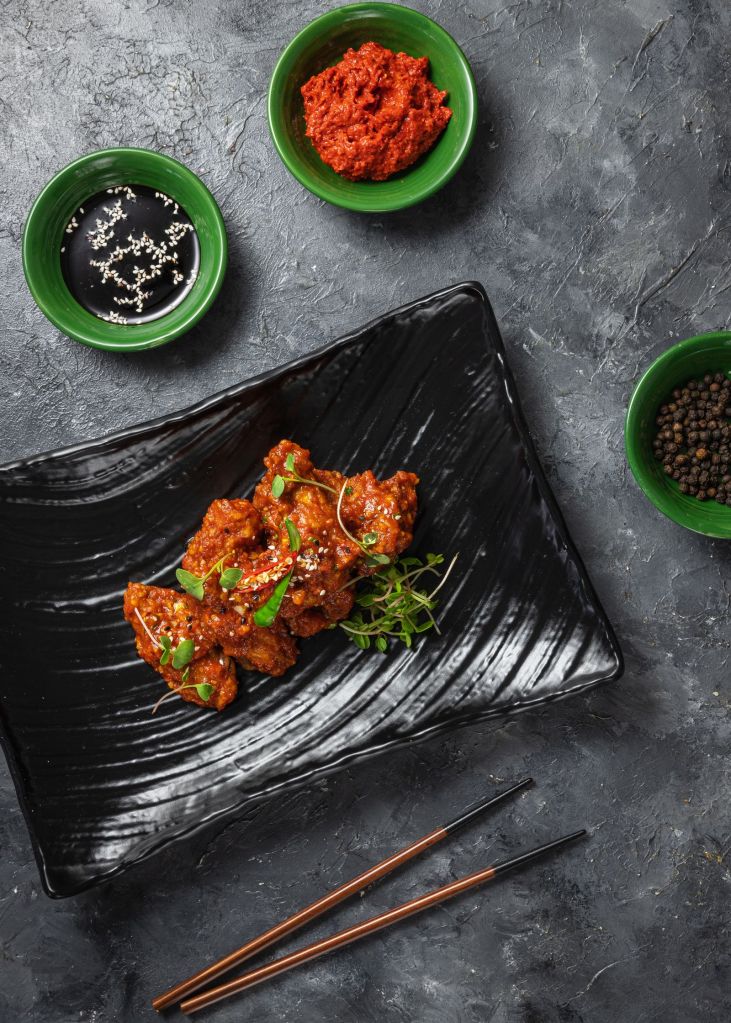
Buldak sauce (불닭 소스) is the fiery red sauce behind buldak, which literally means “fire chicken.” Buldak restaurants spread across Korea in the early 2000s, serving chicken grilled or stir-fried in a punishingly hot chili sauce, usually cooled down with melted cheese, rice balls and egg custard. Later the same flavor became world-famous through spicy “buldak” instant noodles. Today, buldak sauce means any very hot, sweet-smoky Korean chili sauce for chicken, noodles and snacks – and it is easy to make at home.
Buldak Sauce at a Glance
Quick facts
- What it is: an extra-spicy Korean chili sauce for chicken and noodles
- Main ingredients: gochugaru, gochujang, soy sauce, sugar or corn syrup, garlic, sesame oil, often hot chili powder or capsaicin
- Taste: very spicy, sweet, savory and slightly smoky
- Main uses: cheese buldak, buldak noodles, buldak fried rice, spicy wings and dips
What is Buldak Sauce Made Of?
Homemade buldak sauce is built on gochugaru and gochujang. Soy sauce adds saltiness, sugar and corn syrup (or honey) make it sticky and sweet, and plenty of garlic gives depth. Restaurants push the heat higher with finely ground hot chili powder, fresh Cheongyang peppers or a few drops of capsaicin extract. A little sesame oil or a smoky, grilled finish rounds it out.
Types of buldak sauce
- Restaurant-style buldak sauce: thick chili glaze for grilled or stir-fried chicken.
- Bottled buldak hot sauce: squeeze-bottle versions of the instant-noodle flavor, including milder carbonara and cheese styles.
- Buldak noodle sauce packets: concentrated liquid sauce sold with spicy stir-fried noodles.
- Homemade buldak sauce: gochugaru, gochujang, soy sauce, sugar and garlic.
What Does Buldak Sauce Taste Like?
The first taste is sweet and savory, then the heat hits hard and keeps building. It is much hotter than yangnyeom sauce or dakgalbi sauce. Garlic and a slightly charred, smoky note keep it from being just “hot,” which is why buldak is usually served with mild partners like mozzarella, rice and steamed egg.
Popular Korean Dishes That Use Buldak Sauce
Cheese buldak
Spicy chicken under a blanket of melted mozzarella. Recipe below.
Buldak bokkeum-myeon
Stir-fried spicy instant noodles without soup, famous for viral spice challenges.
Dak-bal (spicy chicken feet)
A popular Korean drinking snack glazed in a similar fire-hot sauce.
Buldak fried rice
Leftover sauce and chicken stir-fried with rice, kimchi and seaweed flakes.
Easy Cheese Buldak Recipe (Serves 2–3)
Ingredients
- 1 1/4 lb (550 g) boneless, skinless chicken thighs, cut into bite-size pieces
- 1 tbsp neutral oil
- 1/2 onion, sliced
- 4 oz (110 g) cylinder rice cakes (optional)
- 1 1/2 cups (170 g) shredded mozzarella
- Sesame seeds and chopped green onion, to finish
Buldak sauce
- 2 tbsp gochugaru (fine or coarse)
- 1 1/2 tbsp gochujang
- 2 tbsp soy sauce
- 2 tbsp corn syrup, rice syrup or honey
- 1 tbsp sugar
- 1 1/2 tbsp minced garlic
- 1 tbsp rice wine (or water)
- 1 tsp sesame oil and a pinch of black pepper
- 1–2 fresh hot chilies, minced (optional, for extra heat)
Instructions
- Mix all the sauce ingredients in a bowl. Toss the chicken in half of the sauce and marinate for 20–30 minutes in the refrigerator.
- Heat the oil in a large oven-safe skillet or cast-iron pan over medium heat. Add the chicken and onion and cook for 6–7 minutes, stirring, until the chicken is lightly charred on the edges.
- Add the rice cakes and the remaining sauce with 3 tbsp water. Simmer and stir for 3–4 minutes until the sauce is thick and glossy and the chicken reaches 165°F (74°C) inside.
- Turn the heat to low and spread the mozzarella over the chicken. Cover for 2–3 minutes until melted (or place the pan under a hot broiler for 1–2 minutes, watching closely).
- Sprinkle with sesame seeds and green onion. Serve straight from the pan with rice, steamed egg or a cold drink.
Tip: Control the fire with the gochugaru and fresh chilies. For a family-friendly version, use 1 tablespoon gochugaru and skip the fresh chilies; you can always serve extra sauce on the side.
Where to Buy Buldak Sauce
United States
As an Amazon Associate, I earn from qualifying purchases.
Amazon
Search buldak sauce on Amazon
Search gochugaru on Amazon
H-Mart
Search buldak sauce on H-Mart
Canada
Search buldak sauce on Amazon.ca
Europe
Search buldak sauce on Amazon.co.uk
How to Store Buldak Sauce
Homemade buldak sauce (without raw chicken contact) keeps in a clean, sealed jar in the refrigerator for about 1–2 weeks. Throw away any sauce used as a marinade for raw chicken. Bottled buldak sauce can be kept in the pantry until opened; after that, follow the label (most are best refrigerated). Refrigerate leftover cheese buldak within 2 hours and eat within 3 days.
Buldak Sauce FAQ
What does buldak mean?
“Bul” means fire and “dak” means chicken, so buldak is “fire chicken” – a name that describes the heat level.
Is buldak sauce the same as gochujang?
No. Gochujang is a fermented chili paste and one ingredient in buldak sauce, which is much hotter, sweeter and thinner.
How do I cool down buldak?
Dairy helps most. Serve it with cheese, milk, yogurt drinks, steamed egg or plain rice rather than water.
Can I use buldak sauce on noodles?
Yes. Toss cooked ramyeon or udon with 2–3 tablespoons of sauce in a hot pan, then top with cheese or a fried egg.
Conclusion
Buldak sauce is Korea’s answer for anyone who wants their chicken truly fiery. Make it at home and you control the heat, from gentle to volcanic. For sweeter, milder Korean chicken sauces, try our yangnyeom sauce and dak-kkochi sauce guides.


Leave a Reply