Introduction
Yondu (연두) is a dark, liquid Korean seasoning made by the soy sauce company Sempio. It looks like soy sauce, but it is designed to be used in small amounts, a few drops to a teaspoon, to add deep savory flavor (umami) to soups, stir-fries, eggs and vegetables. Because it is made from fermented soybeans and vegetables rather than meat or fish, it has become a popular pantry staple for vegans and for anyone who wants a quick flavor boost without MSG powder or anchovy stock.
Yondu at a Glance
Quick facts
- What it is: a plant-based liquid umami seasoning from Korea
- Main ingredients: fermented soybean extract and a broth of vegetables such as onion, garlic, radish, cabbage, leek and shiitake
- Taste: deeply savory, lightly salty, rounder and less sharp than soy sauce
- Main uses: soups, stews, stir-fries, namul, eggs, rice, dressings
What is Yondu Made Of?
Yondu combines a naturally fermented soybean extract with a long-simmered vegetable broth. The fermentation gives it the savory depth of ganjang, while the vegetables add a sweet, brothy roundness. Check the label of the bottle you buy: the standard versions are plant-based and widely sold as vegan, but recipes differ by product line and market.
Types of yondu
- Original yondu: the all-purpose vegetable umami seasoning.
- Organic yondu: made with organic soybeans and vegetables.
- Hot & spicy yondu: the same base with chili added.
- Korean-market versions: sold in Korea as 연두 in several bottle sizes, sometimes with a reduced-sodium option.
What Does Yondu Taste Like?
On its own, yondu tastes salty and intensely savory, a little like a concentrated vegetable stock mixed with soy sauce. In food it does not taste strongly of soy; instead it makes broths taste longer-cooked and vegetables taste richer. A teaspoon in a pot of soup has an effect similar to a spoon of dashida, but with a cleaner, plant-based flavor.
Popular Korean Dishes That Use Yondu
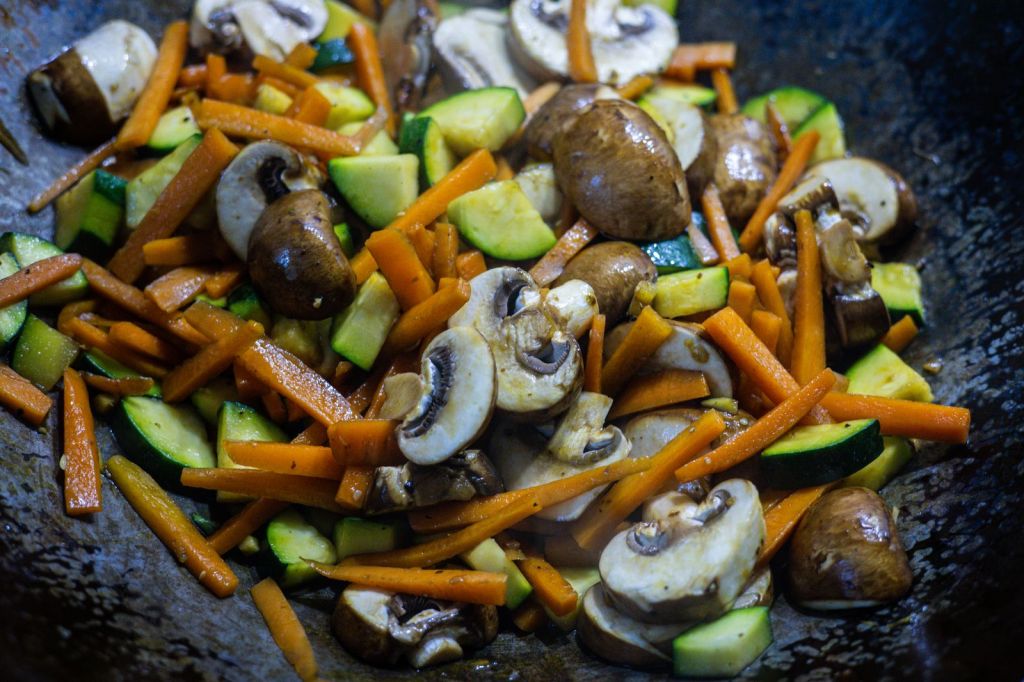
Yachae bokkeum
A quick stir-fry of mixed vegetables and mushrooms. Recipe below.
Doenjang jjigae and guk
A teaspoon deepens soybean paste stew or simple soups when you have no anchovy stock.
Namul
Blanched spinach or bean sprouts tossed with a few drops of yondu, sesame oil and garlic.
Gyeran-mari and fried rice
Added to beaten eggs or fried rice in place of salt for extra savoriness.
Easy Yachae Bokkeum Recipe (Serves 2)
Ingredients
- 1 Korean zucchini (aehobak) or regular zucchini, halved and sliced
- 1 small carrot, cut into thin sticks
- 5 oz (150 g) mushrooms (shiitake, king oyster or button), sliced
- 1/2 onion, sliced
- 1 tbsp neutral oil
- 1 tsp minced garlic
- 2 tsp yondu (add more to taste)
- 1 tsp sesame oil and 1 tsp toasted sesame seeds
- 1 green onion, chopped
Instructions
- Heat the oil in a large skillet or wok over medium-high heat. Add the garlic and onion and stir-fry for 1 minute.
- Add the carrot and cook for 1 minute, then add the zucchini and mushrooms.
- Stir-fry 2–3 minutes until the vegetables are just tender but still bright.
- Drizzle the yondu around the edge of the hot pan, toss quickly and taste. Add a few more drops if needed.
- Turn off the heat, add the sesame oil, sesame seeds and green onion, and serve with rice.
Tip: Add yondu at the end of cooking. Heat dulls its aroma, and a little goes a long way, so season gradually.
Where to Buy Yondu
United States
As an Amazon Associate, I earn from qualifying purchases.
Amazon
Search yondu seasoning on Amazon
H-Mart
Search yondu on H-Mart
Canada
Search yondu seasoning on Amazon.ca
Europe
Search yondu seasoning on Amazon.co.uk
How to Store Yondu
Keep unopened bottles in a cool, dark cupboard. After opening, close the cap tightly and refrigerate for the best flavor, using it by the date on the label. If the aroma fades or the liquid looks cloudy or moldy, replace it.
Yondu FAQ
Is yondu the same as soy sauce?
No. It contains fermented soybean extract, but the vegetable broth makes it milder and more brothy. It is used in smaller amounts, as a seasoning booster.
Is yondu vegan?
The standard versions are plant-based and sold as vegan. Always check the label of your specific bottle.
Is yondu gluten-free?
Not necessarily. Some versions may contain wheat, so read the ingredient and allergen list if you avoid gluten.
How much yondu should I use?
Start with about 1 teaspoon per serving of soup or per pan of vegetables, then adjust. It is salty, so reduce other salt in the recipe.
Conclusion
Yondu is a small bottle that makes everyday Korean cooking taste richer, especially vegetable dishes and quick soups. Try it in the stir-fry above, then add a few drops to namul like our sigeumchi namul. For a seasoned soy sauce you can make yourself, see mat-ganjang.


Leave a Reply