Introduction
Mat-ganjang (맛간장) means “tasty soy sauce.” It is a homemade, all-purpose seasoned soy sauce: regular soy sauce simmered with sugar, water and aromatics such as onion, green onion, garlic, ginger, kelp and dried mushrooms, then strained and kept in the fridge. Korean home cooks make a big batch and use it as a shortcut for braises, stir-fries, marinades and rice bowls, so dinner needs only one bottle instead of five seasonings.
Mat-ganjang at a Glance
Quick facts
- What it is: a pre-seasoned soy sauce base for everyday Korean cooking
- Main ingredients: soy sauce, sugar, water, onion, green onion, garlic, ginger, dried kelp, dried shiitake
- Taste: salty-sweet, rounder and less sharp than plain soy sauce, rich in umami
- Main uses: jorim (braises), bokkeum (stir-fries), japchae, bulgogi-style beef, rice bowls, dipping sauce base
What is Mat-ganjang Made Of?
The base is brewed Korean soy sauce (jin-ganjang). It is simmered with water and sugar to soften the saltiness, and with vegetables and dried ingredients that add sweetness and umami. Some recipes add apple or pear, black peppercorns, dasima or a splash of cooking wine. After simmering, everything is strained out.
Types of seasoned soy sauce
- Homemade mat-ganjang: simmered with aromatics, the most flexible.
- Quick mat-ganjang: soy sauce, sugar and water simmered briefly, without vegetables.
- Bottled seasoned soy sauces: Korean brands sell ready-made versions labeled for braising (jorim), stir-frying or general cooking.
- Pork-flavored versions: some popular recipes simmer the soy sauce with ground pork for a richer, meaty base.
What Does Mat-ganjang Taste Like?
It tastes like soy sauce with the edges smoothed off: still salty, but sweeter, rounder and more savory, with gentle notes of onion, garlic and mushroom. It is less salty than plain soy sauce, so you can use more of it without overpowering a dish.
Popular Korean Dishes That Use Mat-ganjang
Japchae
Glass noodles stir-fried with vegetables and beef. See our japchae recipe.
Jangjorim
Beef and boiled eggs braised in sweet soy sauce, a classic side dish.
Bulgogi-style beef
Mat-ganjang plus garlic, sesame oil and pear makes a quick bulgogi marinade.
Eomuk bokkeum and vegetable stir-fries
A spoonful seasons stir-fried fish cakes, mushrooms or zucchini in seconds.
How to Make Mat-ganjang (about 3 cups)
- 2 cups soy sauce
- 1 1/2 cups water
- 3/4 cup sugar
- 1 onion, cut into chunks
- 2 green onions (white and green parts)
- 6 cloves garlic, lightly crushed
- 3 thin slices ginger
- 1 piece dried kelp (about 10 x 10 cm)
- 3 dried shiitake mushrooms
- 1/2 apple, sliced (optional)
- 1 tsp black peppercorns (optional)
- Put everything except the kelp in a pot and bring to a boil over medium heat.
- Lower the heat and simmer for 15 minutes. Add the kelp for the last 5 minutes (long boiling makes kelp slimy).
- Turn off the heat, let cool, then strain through a fine sieve.
- Pour into a clean bottle or jar and refrigerate.
Easy Soy Beef Rice Bowl Recipe (Serves 2)
Ingredients
- 250 g (about 9 oz) thinly sliced beef (ribeye or brisket for shabu-shabu)
- 1/2 onion, sliced
- 1 green onion, sliced
- 2 eggs
- 2 bowls cooked rice
- 1 tsp neutral oil
- Sesame seeds and sesame oil, to finish
Sauce
- 4 tbsp mat-ganjang
- 3 tbsp water
- 1 tsp minced garlic
- A pinch of black pepper
Instructions
- Soft-boil the eggs: lower them into boiling water, cook for 6–7 minutes, then cool in cold water and peel.
- Heat the oil in a pan over medium heat and cook the onion for 2 minutes until it starts to soften.
- Add the beef and the sauce ingredients. Stir-fry for 3–4 minutes until the beef is cooked through with no pink left and the sauce has reduced slightly.
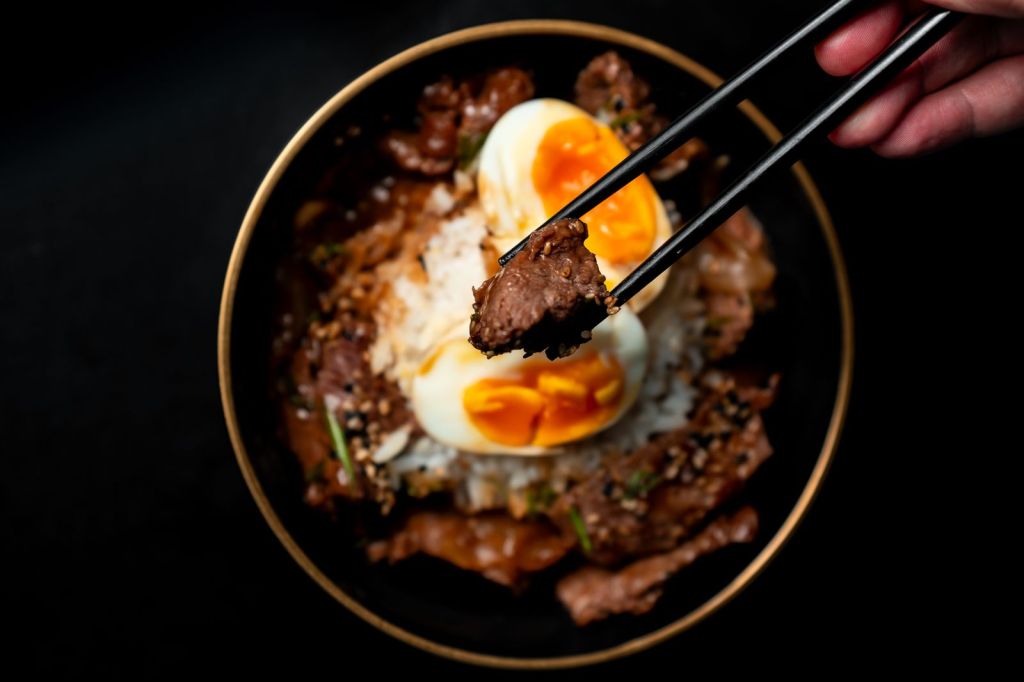
- Spoon the beef and some sauce over the rice. Halve an egg on each bowl, sprinkle with green onion and sesame seeds, and add a few drops of sesame oil.
Tip: Because mat-ganjang is already balanced, start with the amount above, taste, and add a little more only at the end.
Where to Buy Mat-ganjang
Mat-ganjang is usually homemade, but bottled Korean seasoned soy sauces work the same way. You will also need good Korean soy sauce to make your own.
United States
As an Amazon Associate, I earn from qualifying purchases.
Amazon
Search Korean seasoned soy sauce on Amazon
H-Mart
Search soy sauce on H-Mart
Canada
Search Korean seasoned soy sauce on Amazon.ca
Europe
Search Korean seasoned soy sauce on Amazon.co.uk
How to Store Mat-ganjang
Keep homemade mat-ganjang in a clean, sealed bottle in the fridge and use it within about 1 month. If it smells off, looks cloudy or grows mold, throw it away. Bottled seasoned soy sauce should be refrigerated after opening and used by the date on the label.
Mat-ganjang FAQ
Can I use mat-ganjang instead of regular soy sauce?
In cooked dishes, yes. Use a bit more than the soy sauce called for and reduce the sugar in the recipe, since mat-ganjang is already sweetened.
Is mat-ganjang the same as teriyaki sauce?
They are similar sweet soy bases, but mat-ganjang is thinner, not thickened, and flavored with Korean-style aromatics like kelp and shiitake rather than mirin.
Can I use soup soy sauce (guk-ganjang) to make it?
It is better to use regular brewed soy sauce (jin-ganjang). Soup soy sauce is saltier and lighter in color, and is meant for soups and namul.
Conclusion
Mat-ganjang is a simple batch sauce that makes everyday Korean cooking much faster. Spend 20 minutes making a bottle, and you have the base for rice bowls, braises, japchae and stir-fries all month. To learn more about the soy sauces it starts from, read our ganjang guide.


Leave a Reply