Introduction
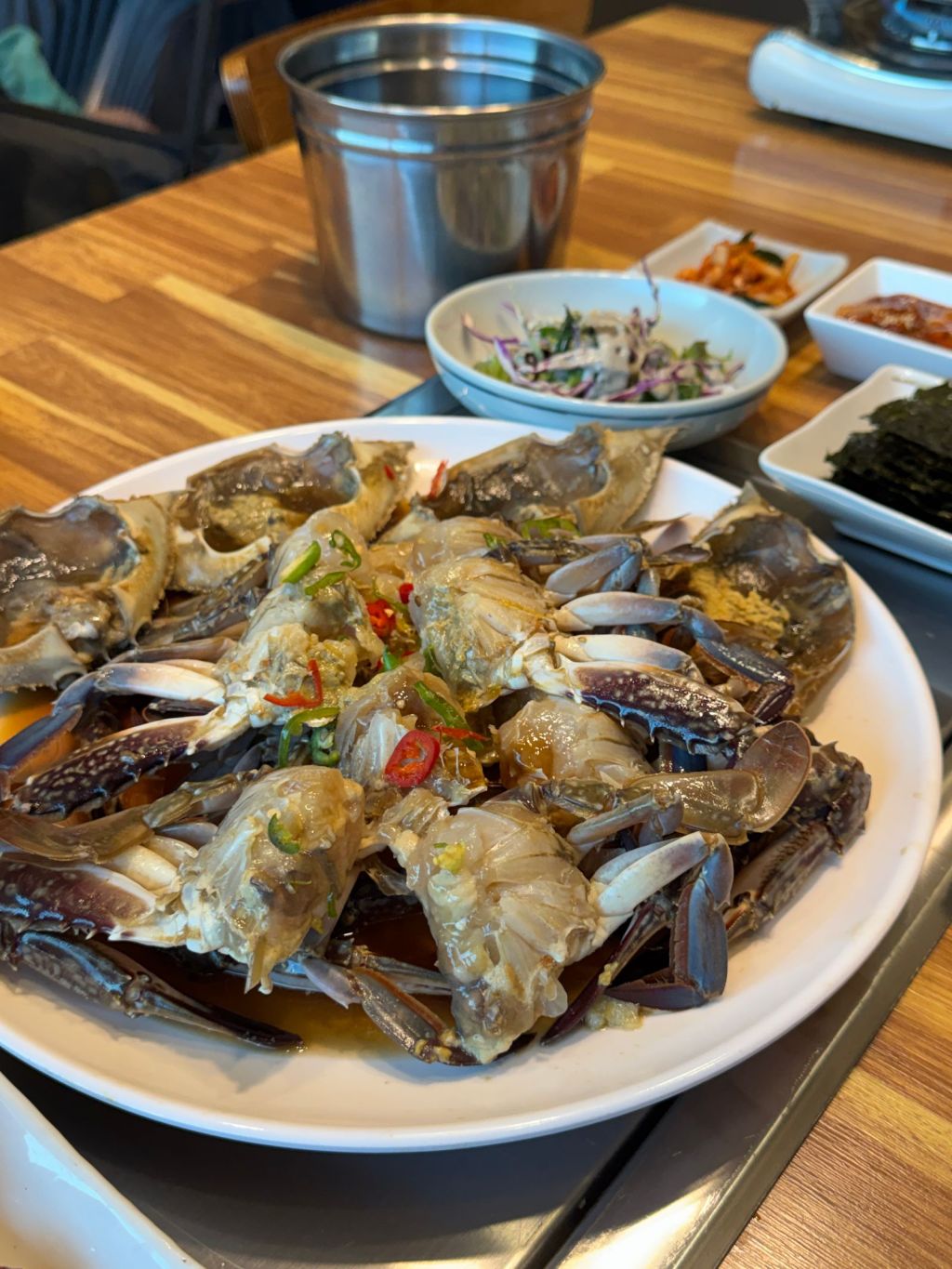
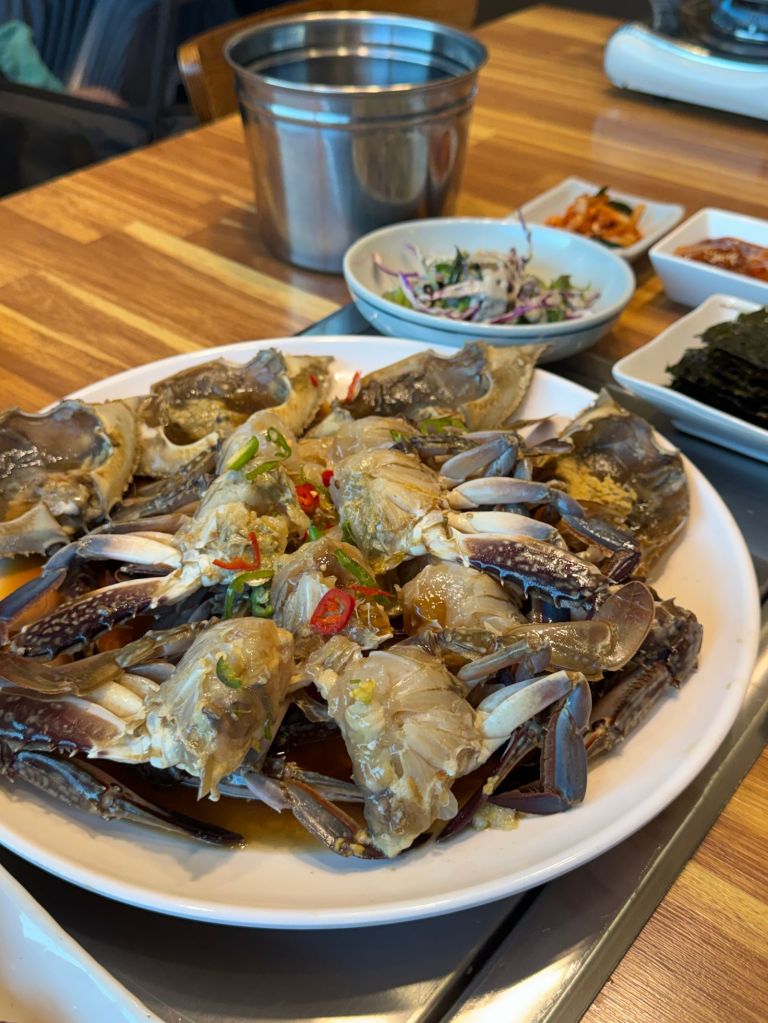
Ganjang gejang (간장게장) is raw crab cured in a seasoned soy sauce brine. Koreans nickname it bap-doduk, the “rice thief,” because the silky, savory crab meat and roe make you eat bowl after bowl of rice. The secret is the gejang marinade: soy sauce simmered with aromatics, fruit and kelp, cooled, and poured over fresh crabs. This guide explains the brine, how it tastes, and how to make ganjang gejang safely at home.
Ganjang Gejang Marinade at a Glance
What it is
- A cooked, cooled soy sauce brine used to cure raw crab
Main ingredients
- Soy sauce, water, cooking wine, sugar, onion, apple or pear, garlic, ginger, dried chili, kelp
Taste
- Salty-sweet and deeply savory, with mild garlic and ginger; the crab turns soft, buttery and briny
Main uses
- Ganjang gejang, soy-marinated shrimp (saeu-jang), gejang rice bowls
What is Ganjang Gejang Marinade Made Of?
The base is regular brewed soy sauce diluted with water so the crab is seasoned but not overly salty. It is simmered with sweet and aromatic ingredients, strained, and always cooled completely before it touches the crab. Common versions:
- Classic soy brine: soy sauce, water, garlic, ginger, onion, dried chilies and kelp.
- Fruit-sweetened brine: apple, Korean pear or plum syrup for a rounder sweetness.
- Herbal brine: some families add dried licorice root, jujubes or peppercorns.
- Yangnyeom gejang: a different, spicy style where raw crab is coated in a gochugaru paste instead of a soy brine.
What Does Ganjang Gejang Taste Like?
The brine itself tastes like a sweet, savory soup soy sauce with a light ocean note from kelp. After curing, the crab meat becomes soft and jelly-like, almost custardy, and the roe turns rich and creamy. It is salty, so it is always eaten with plenty of plain rice and seaweed.
Popular Korean Dishes That Use Gejang Marinade
Ganjang Gejang Set Meal
Restaurants serve the cured crab with rice, soup and banchan.
Rice in the Crab Shell
Warm rice is mixed inside the top shell with the roe and juices – many people’s favorite bite.
Gejang Bibimbap
Picked crab meat over rice with roasted gim, sesame oil and a little brine.
Saeu-jang (Soy-Marinated Shrimp)
The same brine is used for raw shrimp, which cures faster than crab.
Easy Ganjang Gejang Recipe (Serves 4)
Food safety first: this dish is eaten raw. Use only very fresh saltwater crabs (such as blue crabs) from a trusted seafood seller – never freshwater crabs. To reduce parasite risk, freeze the crabs at −4°F (−20°C) or colder for at least 7 days before marinating, or buy crabs sold frozen for raw use. Keep everything refrigerated. Raw seafood is not recommended for pregnant women, young children, older adults or anyone with a weakened immune system.
Ingredients
- 4 medium blue crabs (about 2–2.5 lb / 1 kg), frozen as above
Gejang Marinade
- 1 1/2 cups soy sauce
- 4 cups water
- 1/2 cup Korean cooking wine (matsul) or mirin
- 1/4 cup sugar
- 1 onion and 1/2 apple, roughly chopped
- 10 garlic cloves, 1 inch ginger (sliced), 2 dried red chilies
- 1 piece dried kelp (4 x 4 inches), 3 green onions
Instructions
- Add all marinade ingredients except the kelp to a pot. Bring to a boil, add the kelp, and simmer 15 minutes. Remove the kelp after 5 minutes so it doesn’t turn slimy.
- Strain the brine and cool it completely, then chill it in the refrigerator.
- Thaw the crabs in the refrigerator. Scrub the shells and legs well with a brush under cold running water and trim the leg tips with scissors.
- Place the crabs shell-side down in a clean glass or food-safe container and pour the cold brine over them until fully covered. Seal and refrigerate.
- After 24 hours, pour the brine into a pot, bring it to a full boil, cool it completely and pour it back over the crabs. Repeat once more the next day.
- The crab is ready after about 3 days. Cut each crab into pieces, open the top shell and serve cold with rice and gim.
Tip: Taste the cooled brine before using it – it should be a little saltier than soup. If it tastes like straight soy sauce, add more water.
Where to Buy Ganjang Gejang Ingredients
United States
As an Amazon Associate, I earn from qualifying purchases.
Amazon
Search Korean soy sauce on Amazon
Search Korean dried kelp on Amazon
H-Mart
Search gejang on H-Mart
Search blue crab on H-Mart
Canada
Search Korean soy sauce on Amazon.ca
Europe
Search Korean soy sauce on Amazon.co.uk
How to Store Ganjang Gejang
Keep gejang submerged in brine in the refrigerator at all times and eat it within about 4–5 days after it is ready. For longer storage, lift the crabs out of the brine, wrap each one and freeze for up to 1 month; thaw in the refrigerator. Don’t leave gejang at room temperature, and discard any crab that smells off. Unused marinade (never in contact with crab) keeps 1 week in the fridge.
Ganjang Gejang FAQ
Is ganjang gejang raw?
Yes. The crab is not cooked; it is cured in a cold soy brine. That is why freshness, freezing and refrigeration matter.
Why do you boil the brine again?
Reboiling refreshes the brine, removes the fishy liquid the crab releases, and helps it season evenly. Always cool it completely before pouring it back.
Which crab is best for gejang?
Koreans prize female blue crabs (kkotge) in spring for their roe. In North America, Atlantic blue crabs are the easiest choice.
Can I reuse the brine?
Once raw crab has been in it, don’t reuse it for another batch. A spoonful can season fried rice if you boil it first.
Conclusion
Ganjang gejang marinade is simple – soy sauce, water, aromatics and patience – but it creates one of Korea’s most luxurious rice dishes. Use very fresh, properly frozen crabs, keep it cold, and enjoy it with hot rice. Learn more about the base ingredients in our guides to Korean soy sauce and matsul cooking wine.


Leave a Reply