Introduction
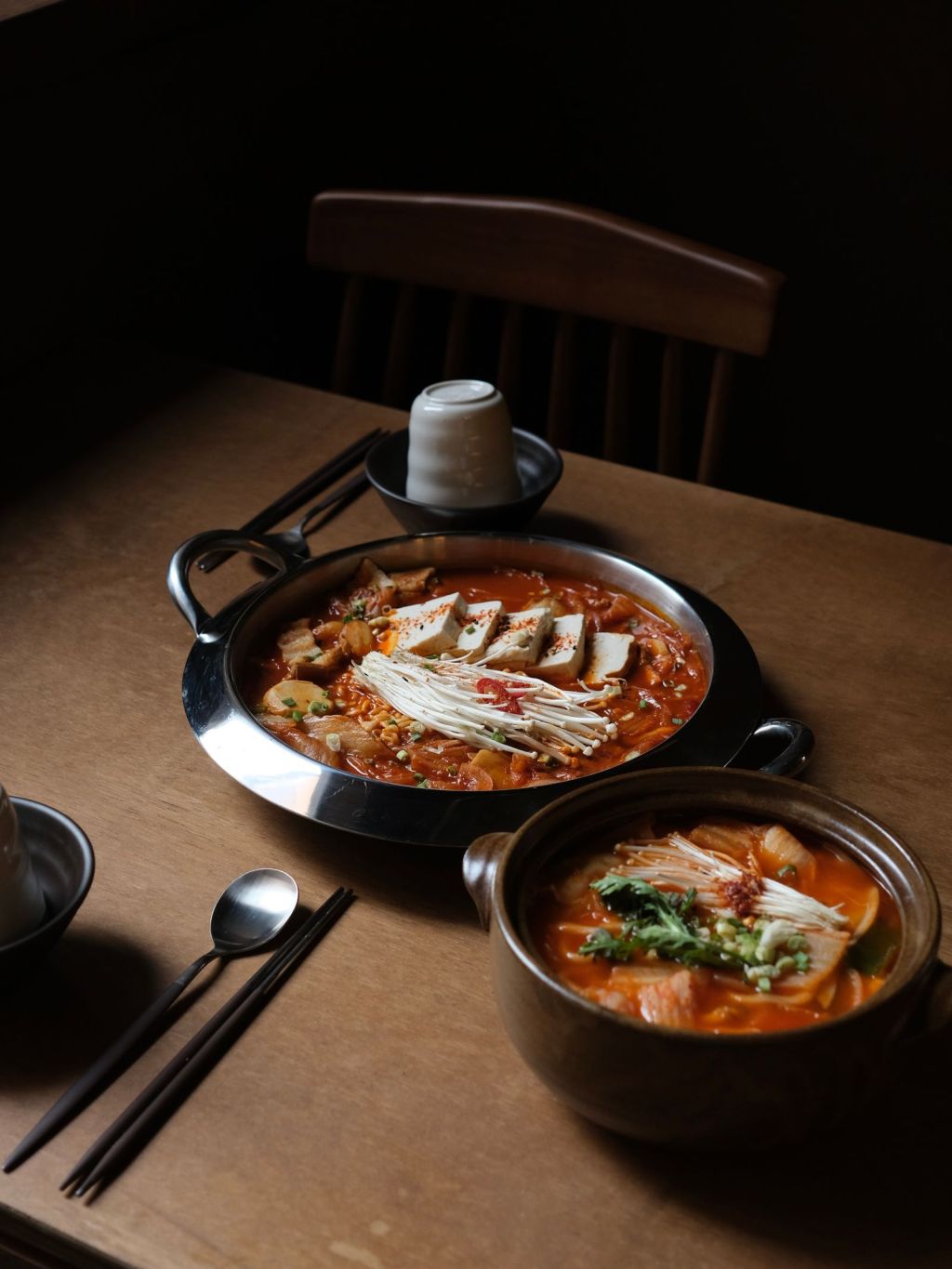
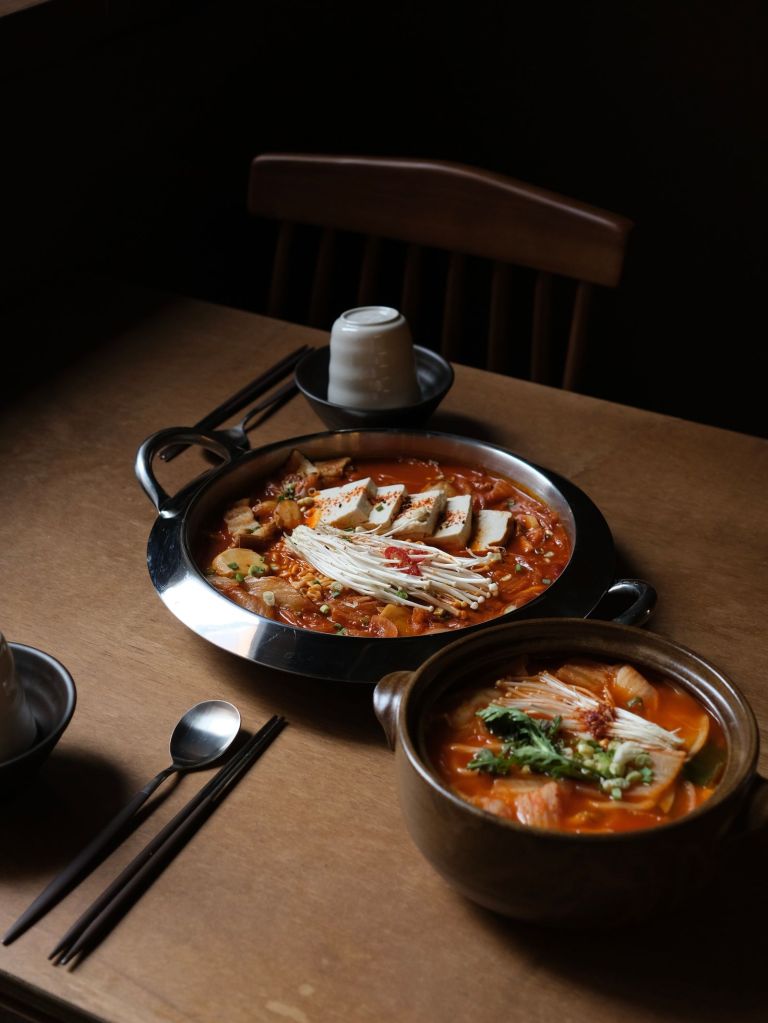
Jeongol (전골) is Korean hot pot. Meat, mushrooms, tofu and vegetables are arranged in neat sections in a wide, shallow pot, a seasoned broth is poured over, and everything cooks together at the table. The jeongol broth is usually a clear anchovy-kelp stock seasoned with soup soy sauce and garlic, with an optional spicy chili seasoning. It is lighter than a stew, so the flavor of each ingredient shines through.
Jeongol Broth at a Glance
What it is
- A seasoned stock used to cook Korean hot pot at the table
Main ingredients
- Anchovy-kelp or beef stock, soup soy sauce (guk-ganjang), garlic, salt; gochugaru seasoning for spicy versions
Taste
- Clean, savory and gently briny; becomes richer as the ingredients cook
Main uses
- Mushroom, beef bulgogi, tofu, dumpling and seafood hot pots
What is Jeongol Broth Made Of?
Most jeongol starts with yuksu, a light stock of dried anchovies and kelp, sometimes with radish, onion or dried shiitake. It is seasoned simply so it doesn’t overpower the ingredients. Common types:
- Clear (mild) broth: anchovy-kelp stock with soup soy sauce, garlic and salt – for mushroom and tofu jeongol.
- Beef broth: made with beef or brisket stock, for bulgogi jeongol.
- Spicy broth: the clear base plus a paste of gochugaru, garlic and soy sauce – for dumpling, octopus or seafood jeongol.
- Shortcut broth: broth tablets or stock powder dissolved in water.
What Does Jeongol Broth Taste Like?
At first the broth is light and savory with a subtle ocean flavor from kelp and anchovy. As mushrooms, meat and vegetables simmer, it becomes deeper, earthier and slightly sweet. The spicy version adds warming chili heat without the thickness of a jjigae. The last spoonfuls are the richest – that’s why many people finish with noodles or rice cooked in it.
Popular Korean Jeongol Dishes
Beoseot Jeongol (Mushroom Hot Pot)
Several kinds of mushrooms with tofu and vegetables in a clear broth.
Bulgogi Jeongol
Marinated beef, glass noodles and vegetables in a sweet-savory beef broth.
Mandu Jeongol
Dumplings, rice cakes and vegetables, often in a spicy broth.
Dubu Jeongol
Pan-fried tofu stuffed or layered with minced meat and simmered in broth.
Easy Beoseot Jeongol Recipe (Serves 3–4)
Ingredients
- 1 lb (450 g) mixed mushrooms: shiitake, enoki, oyster, king oyster, button
- 1/2 block firm tofu, sliced
- 2 cups napa cabbage, cut into pieces
- 1/2 onion, sliced; 1 small carrot, sliced; 2 green onions, cut long
- Optional: 5 oz (150 g) thinly sliced beef
Jeongol Broth
- 5 cups anchovy-kelp stock (10 large dried anchovies + 1 piece kelp simmered in 6 cups water for 15 minutes, strained)
- 2 tbsp soup soy sauce (guk-ganjang) or 1 1/2 tbsp regular soy sauce
- 1 tbsp minced garlic
- 1 tbsp Korean cooking wine (optional)
- Salt and black pepper to taste
Optional Spicy Seasoning
- 2 tbsp gochugaru, 1 tbsp soy sauce, 1 tsp minced garlic, 1 tbsp of the stock
Instructions
- Make the stock and stir in the soup soy sauce, garlic and cooking wine. Taste and add salt so it is lightly seasoned.
- Trim the mushrooms: slice shiitake and king oyster, tear oyster mushrooms, and separate enoki into small bunches.
- Line the bottom of a wide, shallow pot with cabbage and onion. Arrange the mushrooms, tofu, carrot and beef (if using) on top in neat sections, like the spokes of a wheel. Place the green onions in the center.
- Pour the broth gently down the side of the pot. Add the spicy seasoning in the center if you like it hot.
- Bring to a boil on a portable burner at the table, then simmer 8–10 minutes until the vegetables are tender and any beef is fully cooked.
- Serve in small bowls with rice. Add more broth as it reduces, and finish with noodles cooked in the remaining broth.
Tip: Season the broth a little lighter than soup – it concentrates as it simmers and the mushrooms release their own savory juices.
Where to Buy Jeongol Broth Ingredients
United States
As an Amazon Associate, I earn from qualifying purchases.
Amazon
Search Korean soup soy sauce on Amazon
Search Korean anchovy broth tablets on Amazon
H-Mart
Search soup soy sauce on H-Mart
Search dried anchovy on H-Mart
Canada
Search Korean soup soy sauce on Amazon.ca
Europe
Search Korean soup soy sauce on Amazon.co.uk
How to Store Jeongol Broth
Unseasoned anchovy-kelp stock keeps 3–4 days in the refrigerator or about 3 months in the freezer – freeze it in portions so hot pot night is quick. Leftover jeongol (broth and ingredients) keeps 2 days in the fridge; bring it back to a full boil before eating.
Jeongol FAQ
What is the difference between jeongol and jjigae?
Jjigae is a thick stew cooked in the kitchen. Jeongol is a lighter hot pot with neatly arranged ingredients, usually cooked and shared at the table.
What is soup soy sauce?
Guk-ganjang is a lighter-colored but saltier Korean soy sauce used for soups. See our ganjang guide for the differences.
Can I make jeongol broth vegetarian?
Yes. Simmer kelp, dried shiitake, onion and radish instead of anchovies for a rich vegetable stock.
Do I need a special pot?
A wide, shallow pot or deep skillet works fine. A portable burner lets you keep it simmering at the table.
Conclusion
Jeongol broth is simple – good stock, soup soy sauce and garlic – but it turns a platter of mushrooms and tofu into a warm, social meal. Make the stock with our anchovy-kelp broth recipe or use a shortcut like coin yuksu broth tablets.


Leave a Reply