Introduction
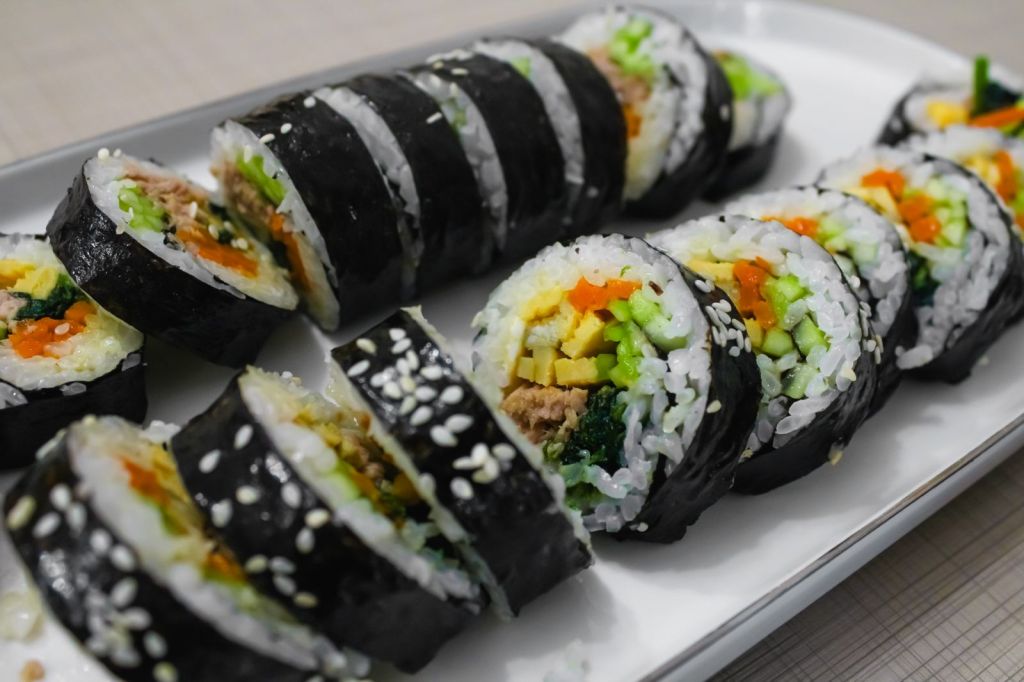
Mayak gimbap (마약김밥) are finger-size Korean rice rolls made famous by the food stalls of Seoul’s Gwangjang Market. “Mayak” is slang for something so tasty it feels addictive. The rolls are simple – rice, carrot, spinach and pickled radish – but they are always served with a little dish of mayak gimbap sauce: soy sauce, vinegar and sugar sharpened with Korean hot mustard. That dip is what makes them unforgettable.
Mayak Gimbap Sauce at a Glance
What it is
- A sweet-tangy soy and mustard dipping sauce for mini gimbap
Main ingredients
- Soy sauce, Korean mustard (gyeoja), vinegar, sugar, water; sometimes sesame seeds
Taste
- Salty, sweet and sour with a sharp, sinus-clearing mustard heat
Main uses
- Mayak gimbap, plain gimbap, fried dumplings, cold noodles and cold boiled meats
What is Mayak Gimbap Sauce Made Of?
The sauce is a balanced mix of soy sauce, sugar and vinegar – similar to cho-ganjang – with a generous amount of Korean mustard stirred in until it turns cloudy. Market stalls each have their own ratio. Common variations:
- Classic mustard soy: soy sauce, vinegar, sugar, water and gyeoja.
- Sesame version: with toasted sesame seeds and a drop of sesame oil.
- Wasabi soy: some home cooks substitute wasabi when Korean mustard isn’t available.
- Mild version: less mustard and a little more sugar for kids.
What Does Mayak Gimbap Sauce Taste Like?
The first taste is sweet-salty soy, then a clean vinegar tang, and then the mustard heat rises into your nose for a second before fading. That quick hit wakes up the plain, sesame-scented rice and the crunchy pickled radish inside the rolls, which is why it’s hard to stop eating them.
Popular Korean Dishes That Use Mustard Soy Sauce
Mayak Gimbap
The signature pairing at Gwangjang Market.
Regular Gimbap
Full-size rolls like our classic gimbap taste great dipped too.
Bindae-tteok and Jeon
Market pancakes are often served with soy-based dips; a little mustard adds a nice kick.
Cold Boiled Pork or Jokbal
Mustard soy cuts through rich, chilled meats.
Easy Mayak Gimbap Recipe (Makes about 16 mini rolls)
Ingredients
- 2 cups cooked short-grain rice, warm
- 1 tbsp toasted sesame oil, 1/2 tsp salt, 1 tsp toasted sesame seeds
- 4 sheets gim (roasted seaweed for gimbap), each cut into 4 pieces
- 1 medium carrot, julienned
- 1 bunch spinach (about 5 oz / 150 g)
- 1 strip danmuji (yellow pickled radish), cut into thin sticks
- 1 tsp neutral oil, pinch of salt; extra sesame oil for brushing
Mayak Gimbap Sauce
- 2 tbsp soy sauce
- 1 tbsp vinegar
- 1 tbsp sugar
- 1 tbsp water
- 1–2 tsp Korean mustard (gyeoja), to taste
- 1/2 tsp toasted sesame seeds (optional)
Instructions
- Make the sauce: stir the soy sauce, vinegar, sugar and water until the sugar dissolves, then whisk in the mustard and sesame seeds. Set aside.
- Blanch the spinach in boiling water for 20 seconds, rinse in cold water, squeeze dry and season with a pinch of salt and a few drops of sesame oil.
- Stir-fry the carrot in the neutral oil with a pinch of salt for 1–2 minutes until just tender. Cool.
- Mix the warm rice with sesame oil, salt and sesame seeds.
- Place a quarter sheet of gim shiny side down. Spread a thin layer of rice over two-thirds of it, leaving the far edge bare.
- Lay a few carrot strips, a little spinach and a radish stick across the rice and roll tightly by hand. Press the bare edge to seal.
- Brush the rolls lightly with sesame oil and sprinkle with sesame seeds. Serve whole with the dipping sauce.
Tip: Use warm, not hot, rice and only a thin layer – mini rolls split if overfilled.
Where to Buy Mayak Gimbap Ingredients
United States
As an Amazon Associate, I earn from qualifying purchases.
Amazon
Search Korean mustard on Amazon
Search gimbap seaweed on Amazon
H-Mart
Search mustard on H-Mart
Search gimbap ingredients on H-Mart
Canada
Search Korean mustard on Amazon.ca
Europe
Search Korean mustard on Amazon.co.uk
How to Store Mayak Gimbap Sauce
The sauce (without sesame seeds) keeps in a sealed jar in the refrigerator for up to 1 week; the mustard heat fades over time, so add a little fresh mustard before serving. Mayak gimbap is best eaten the same day. If refrigerated, the rice hardens – briefly pan-fry leftover rolls in an egg wash to revive them.
Mayak Gimbap FAQ
Why is it called “mayak” gimbap?
“Mayak” literally means narcotic. Koreans use it as slang for food so delicious it feels addictive. There is nothing unusual in the ingredients.
Where did mayak gimbap come from?
It is closely associated with Gwangjang Market in Seoul, one of the city’s oldest traditional markets, where it is sold at food stalls.
What can I use instead of Korean mustard?
Hot English mustard or wasabi are the closest substitutes. Learn more in our gyeoja guide.
Is mayak gimbap vegetarian?
The classic version usually is, but some stalls add fish cake or ham. Check before buying if you avoid meat or fish.
Conclusion
Mayak gimbap sauce proves that a few pantry ingredients can make simple rice rolls irresistible. Mix soy sauce, vinegar, sugar and Korean mustard, roll some mini gimbap, and enjoy a taste of Gwangjang Market at home. Pick good seaweed with our gim guide.


Leave a Reply