Introduction
Korean mayo (마요네즈, mayonejeu) is the everyday mayonnaise found in almost every Korean fridge, usually in a soft squeeze bottle. It is not a special sauce on its own, but Koreans use it in ways many Western cooks never would: mixed with canned tuna for rice balls and gimbap, baked with corn and cheese, squeezed in zigzags over street toast and tteokbokki, and stirred with soy sauce and chili as a dip for dried squid. If you love gochujang mayo, plain Korean mayo is where it all starts.
Korean Mayo at a Glance
What it is
- Creamy egg-and-oil mayonnaise used as a condiment and mixing base in Korean snacks and side dishes
Main ingredients
- Vegetable oil, eggs, vinegar, sugar and salt
Taste
- Mild, creamy and lightly sweet with gentle tang
Main uses
- Tuna mayo rice balls and gimbap, corn cheese, street toast, salads, dips for dried squid
What is Korean Mayo Made Of?
Like any mayonnaise, it is an emulsion of vegetable oil with egg, vinegar, salt and a little sugar. Recipes differ by brand. On Korean grocery shelves you will find:
- Regular Korean mayonnaise: the classic squeeze bottle, mild and slightly sweet.
- Light or low-fat mayo: fewer calories, a bit thinner.
- Flavored mayo: gochujang, wasabi, honey mustard or sriracha versions for snacks and toppings.
- Egg-free mayo: plant-based versions for vegan cooking.
What Does Korean Mayo Taste Like?
Korean mayo is rich and smooth, with a soft sweetness and a mellow tang. Many people find it less sharp than typical American mayonnaise. That gentle flavor is why it works so well with salty partners like canned tuna, soy sauce, cheese and seaweed.
Popular Korean Dishes That Use Korean Mayo
Chamchi-mayo (Tuna Mayo)
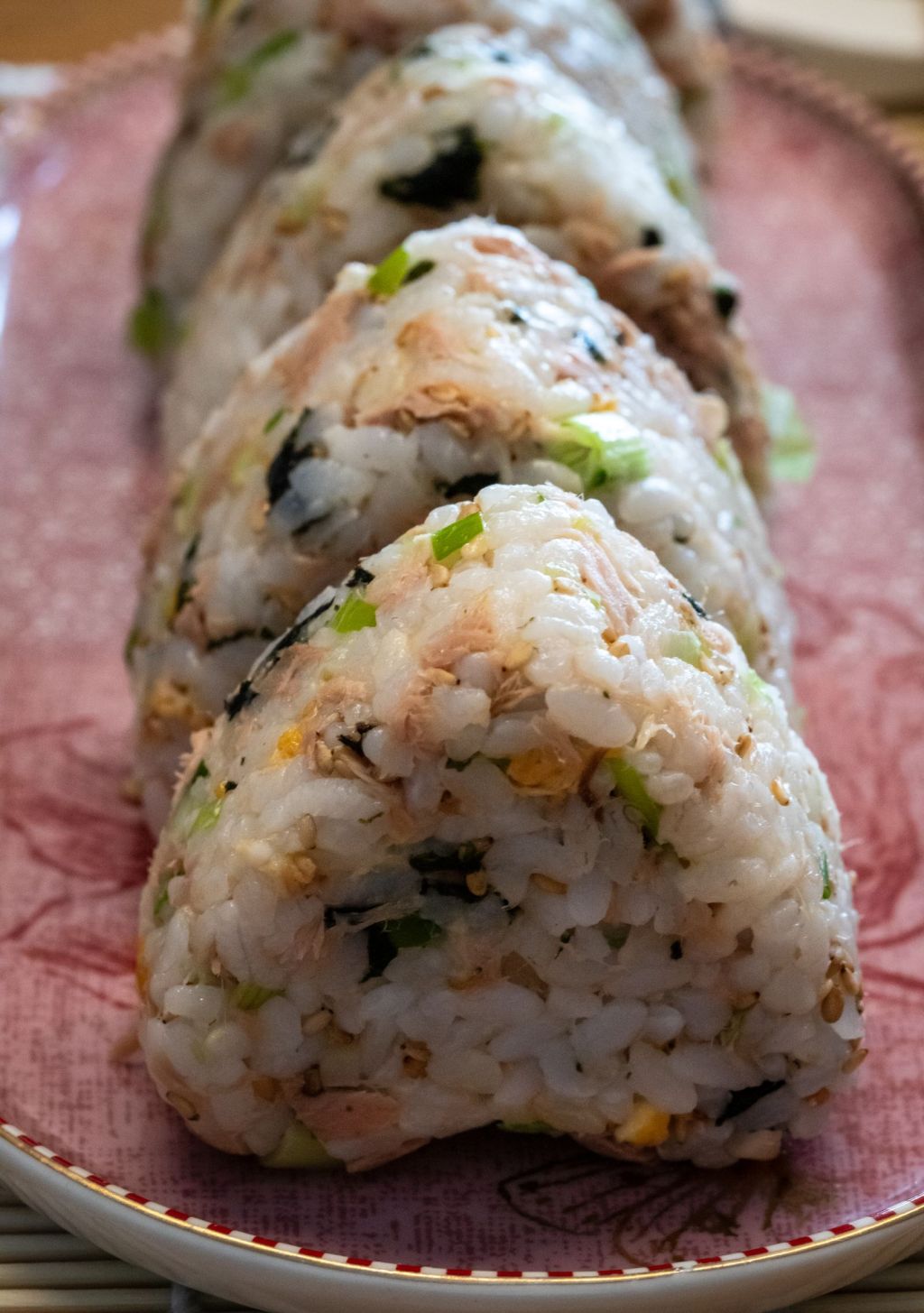
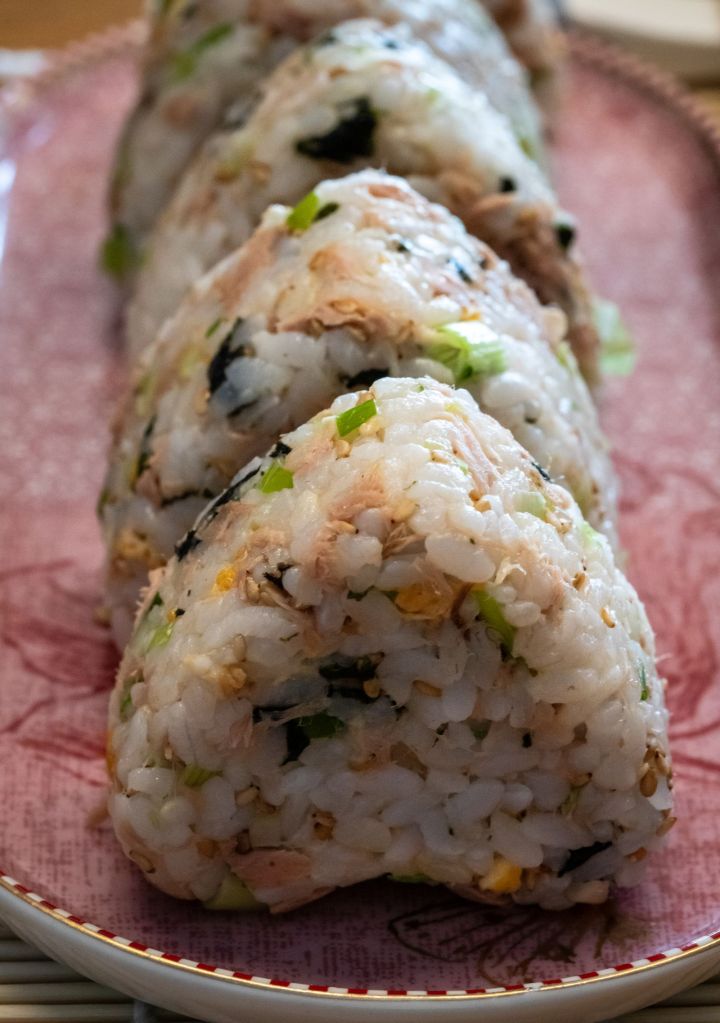
Canned tuna mixed with mayo is a favorite filling for triangle rice balls, gimbap and rice bowls – the recipe below. See our Korean canned tuna guide.
Corn Cheese
Sweet corn, mayo, sugar and mozzarella baked or pan-cooked until bubbly – a classic Korean BBQ and bar side dish.
Gilgeori Toast
Korean street toast often gets a squeeze of mayo with ketchup and sugar – see our street toast sauce post.
Ojingeo and Mayo Dip
Grilled dried squid dipped in mayo mixed with a few drops of soy sauce and chopped chili is a classic beer snack.
Easy Tuna Mayo Rice Ball Recipe (Makes 4)
Ingredients
- 2 cups cooked short-grain rice, warm
- 1/2 tsp salt and 1 tsp sesame oil, for the rice
- 2 sheets gim (roasted seaweed), cut in half
Tuna Mayo Filling
- 1 can (5 oz / 140 g) tuna, well drained
- 2 1/2 tbsp Korean mayo
- 1/2 tsp soy sauce
- 1/2 tsp sugar
- A pinch of black pepper; 1 tbsp finely chopped onion or pickled radish (optional)
Instructions
- Press the tuna in the can or a sieve to remove as much oil or water as possible.
- Mix the tuna with the mayo, soy sauce, sugar, pepper and onion if using.
- Season the warm rice with salt and sesame oil and divide it into 4 portions.
- With damp hands (or plastic wrap), flatten one portion, put 1 heaped tablespoon of filling in the middle, close the rice around it and press into a triangle.
- Wrap each rice ball with a half sheet of seaweed just before eating so it stays crisp.
Tip: Drain the tuna really well – wet filling makes the rice fall apart. A spoon of gim-jaban mixed into the rice adds extra flavor.
Where to Buy Korean Mayo
United States
As an Amazon Associate, I earn from qualifying purchases.
Amazon
Search Korean mayonnaise on Amazon
H-Mart
Search mayonnaise on H-Mart
Canada
Search Korean mayonnaise on Amazon.ca
Europe
Search Korean mayonnaise on Amazon.co.uk
How to Store Korean Mayo
Unopened bottles can be kept in the pantry until the best-by date. Once opened, refrigerate and use within the time on the label (usually a couple of months). Do not leave mayo-based foods like tuna mayo at room temperature for more than 2 hours, and eat homemade rice balls the same day.
Korean Mayo FAQ
Is Korean mayo the same as Japanese Kewpie?
No, they are different products, though both are creamy and a little sweet. Either works in Korean recipes, as does regular mayonnaise.
Why do Koreans put mayo on so many foods?
Its creamy, mild sweetness balances salty and spicy flavors, so it pairs naturally with tuna, seaweed, cheese, gochujang and fried snacks.
Can I use regular mayonnaise instead?
Yes. Add a small pinch of sugar if you want to get closer to the Korean taste.
Conclusion
Korean mayo is a humble bottle that shows up in some of Korea’s most-loved snacks, from tuna rice balls to corn cheese and street toast. Start with the tuna mayo rice balls above, then try it as a dip for dried squid or as the base for gochujang mayo.


Leave a Reply