Introduction
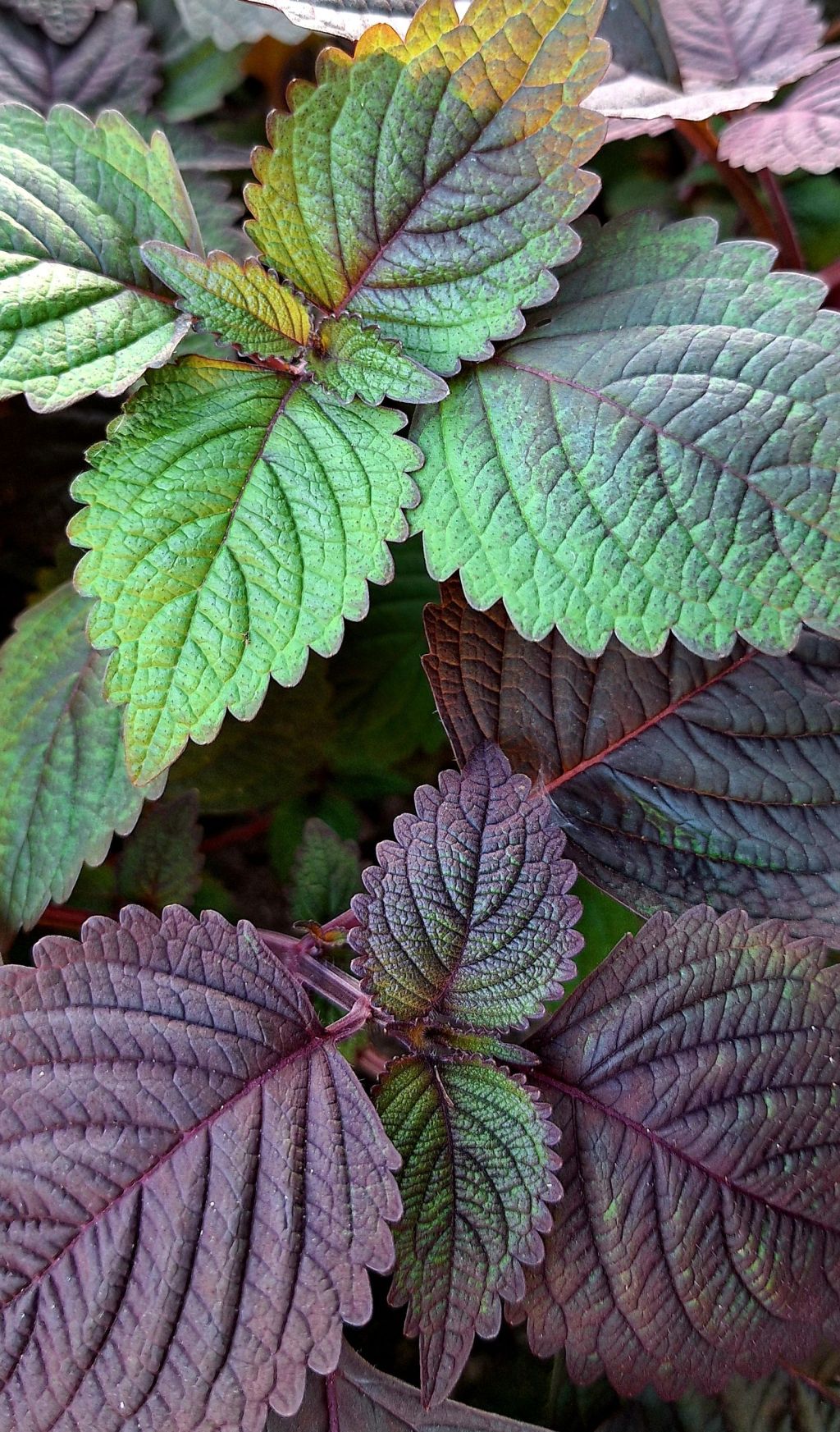
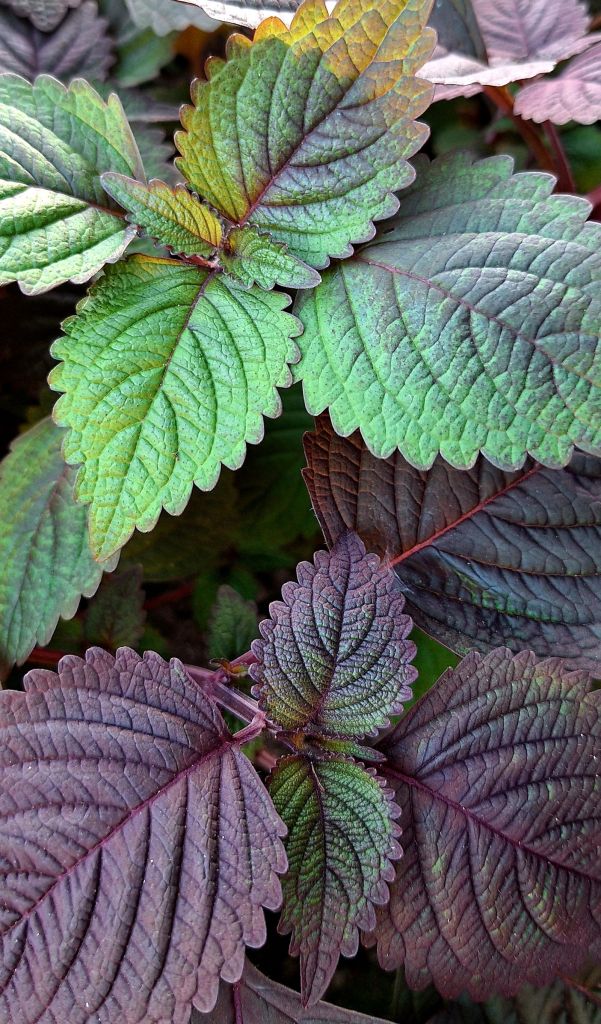
Kkaennip (깻잎), also romanized kkaetnip, are the leaves of the perilla plant – broad, green, slightly fuzzy leaves with jagged edges and a bold herbal aroma. They are one of the most-used herbs in Korean cooking: wrapped around grilled pork, pickled in soy sauce, stuffed and pan-fried, or tossed into spicy stews. The same plant gives us the seeds for deulgireum (perilla oil) and deulkkaegaru (perilla seed powder).
Kkaennip at a Glance
What it is
- Fresh leaves of Korean perilla (Perilla frutescens), used as an herb and vegetable
Main ingredients
- Just the leaves – also sold pickled in soy sauce or seasoned in cans
Taste
- Bold, minty-anise, grassy and slightly peppery
Main uses
- BBQ wraps (ssam), pickles, side dishes, stews, stir-fries, pancakes
What is Kkaennip Made Of?
Kkaennip is simply the leaf of the perilla plant, a member of the mint family. It is often confused with Japanese shiso, a close relative of the same species, but Korean perilla leaves are larger, rounder and have a stronger, earthier flavor. You will find kkaennip in several forms:
- Fresh leaves: sold in bundles of 10–30 in the produce section.
- Kkaennip jangajji: leaves pickled in a soy sauce brine – see our jangajji guide.
- Canned seasoned perilla leaves: a shelf-stable banchan, handy for lunch boxes.
- Kkaennip kimchi: leaves layered with a spicy kimchi seasoning.
What Does Kkaennip Taste Like?
Kkaennip has a distinctive aroma that is hard to compare to anything else – some describe it as a mix of mint, basil and anise with a grassy, slightly bitter finish. Raw, it is fresh and sharp, perfect for cutting through fatty meat. Cooked or pickled, it softens and takes on the flavor of its seasoning while keeping its fragrance.
Popular Korean Dishes That Use Kkaennip
Ssam (BBQ Wraps)
A slice of grilled pork, a dab of ssamjang and garlic wrapped in a perilla leaf, often layered with lettuce.
Kkaennip-jjim
Leaves steamed with a soy-garlic seasoning – a soft banchan that wraps perfectly around rice. Recipe below.
Kkaennip-jeon
Leaves folded around a seasoned meat and tofu filling, dipped in egg and pan-fried.
Dakgalbi and Spicy Stews
Shredded leaves are added at the end of spicy stir-fries and fish stews for a fresh, herbal lift.
Easy Kkaennip-jjim Recipe (Serves 2–3 as a side dish)
Ingredients
- 20–30 fresh perilla leaves
Seasoning
- 3 tbsp soy sauce
- 3 tbsp water
- 1 tsp sugar
- 1 tbsp gochugaru
- 1 tbsp minced garlic
- 1 green onion, finely chopped
- 1/4 small onion or carrot, finely chopped (optional)
- 1 tsp sesame oil and 1 tsp toasted sesame seeds
Instructions
- Wash the leaves one by one under running water, trim the stems to about 1/2 inch and shake off excess water.
- Mix all seasoning ingredients in a small bowl.
- In a shallow microwave-safe dish or small pan, stack 2 leaves at a time and spread about 1 tsp of seasoning on top. Repeat until all the leaves are layered, rotating the stems for an even stack.
- Cover and microwave for 2–3 minutes, or steam in a covered pan over low heat for 4–5 minutes, until the leaves are soft and darker green.
- Cool slightly and serve with warm rice: peel off a leaf and wrap it around a bite of rice.
Tip: Spread the seasoning to the very edges so every leaf is flavored, and pour any leftover sauce over the top before steaming. The dish tastes even better after a few hours in the fridge.
Where to Buy Kkaennip
United States
As an Amazon Associate, I earn from qualifying purchases.
Amazon
Search Korean perilla leaves on Amazon
Search perilla seeds for planting on Amazon
H-Mart
Search perilla leaves on H-Mart
Canada
Search Korean perilla leaves on Amazon.ca
Europe
Search Korean perilla leaves on Amazon.co.uk
Fresh leaves are easiest to find at Korean grocery stores, labeled “perilla leaves” or “sesame leaves.” Perilla is also very easy to grow from seed in a sunny garden or pot.
How to Store Kkaennip
Wrap unwashed leaves in a slightly damp paper towel, place in a container or zip bag and refrigerate; they keep about 5–7 days. Stand them upright if you can to avoid bruising. Kkaennip-jjim keeps 4–5 days in the fridge, and soy-pickled leaves last several weeks.
Kkaennip FAQ
Is kkaennip the same as shiso?
They are close relatives of the same species, but Korean perilla leaves are larger and more robust in flavor, while shiso is smaller, more delicate and more citrusy.
Why are perilla leaves called sesame leaves?
In Korean, perilla is “deulkkae” (wild sesame), so the leaves are often translated as sesame leaves – but they do not come from the sesame plant.
Can you eat perilla leaves raw?
Yes. Raw leaves are commonly used as wraps for Korean BBQ and in salads.
What can I substitute for kkaennip?
Shiso is the closest substitute. For wraps, a mix of lettuce with a little fresh mint or Thai basil gives a similar herbal note.
Conclusion
Kkaennip brings Korea’s signature herbal fragrance to everything from BBQ wraps to quick soy-seasoned banchan. Pick up a bundle at your Korean market, make a batch of kkaennip-jjim, and keep the rest for wrapping grilled pork. To explore the rest of the perilla family, read our perilla oil guide.


Leave a Reply