Introduction
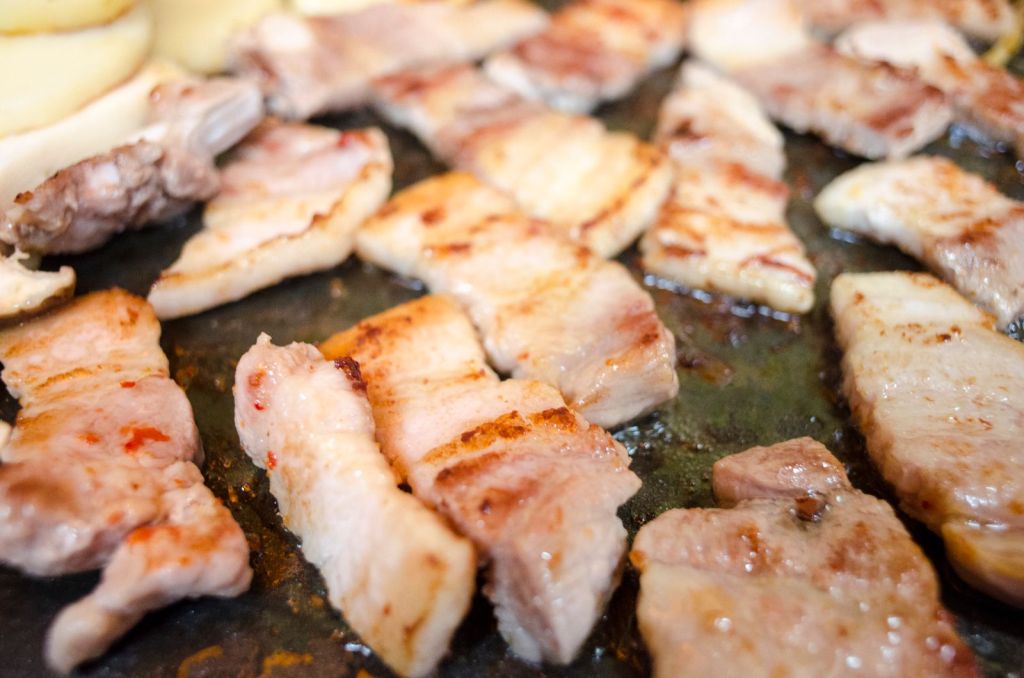
Meljeot (멜젓) is the salted anchovy sauce of Jeju Island. “Mel” is the Jeju dialect word for anchovy and “jeot” means salt-fermented seafood, so the name simply means salted anchovies. If you have eaten at a Jeju black pork (heukdwaeji) restaurant, you have probably seen a small metal dish of grayish, bubbling liquid sitting on the edge of the grill – that is meljeot, and dipping thick slices of grilled pork into it is one of the island’s signature food experiences. It is a close cousin of the aekjeot fish sauce used in kimchi, but thicker, chunkier and served as a dip.
Meljeot at a Glance
What it is
- Jeju-style salt-fermented anchovies, used as a warm dipping sauce for grilled pork
Main ingredients
- Anchovies and salt; at the table, garlic and fresh chili are often added
Taste
- Very salty, deeply savory and funky; mellows and turns nutty when heated
Main uses
- Dip for grilled pork belly and neck, kimchi seasoning, stews and stir-fries
What is Meljeot Made Of?
Meljeot is made by layering whole anchovies – usually larger ones than the tiny dried myeolchi used for broth – with coarse salt and leaving them to ferment for months. The fish slowly break down into a thick, cloudy liquid with soft pieces of anchovy. You will find a few forms:
- Whole meljeot: salted anchovies with their liquid, the traditional Jeju form.
- Seasoned meljeot: ready-to-dip versions mixed with garlic, chili and sometimes a little sugar.
- Myeolchi-jeot: mainland salted anchovies, sold in jars at Korean markets and the easiest substitute.
- Myeolchi aekjeot: the filtered liquid only – thinner and smoother, good for cooking but less authentic as a dip.
What Does Meljeot Taste Like?
Straight from the jar, meljeot is intensely salty and pungent, a bit like a stronger, chunkier fish sauce. Warming it on the grill changes everything: the sharp edge softens, the garlic and chili cook into it, and pork fat dripping in makes it rich and nutty. A quick dip adds a savory, almost cheesy depth to fatty pork that plain salt cannot match. Use only a little – a light touch is all you need.
Popular Korean Dishes That Use Meljeot
Jeju Heukdwaeji Gui (Grilled Black Pork)
The classic pairing: thick-cut black pork grilled over charcoal and dipped in warm meljeot.
Samgyeopsal
Ordinary pork belly works just as well – try it next to the sesame oil dip in our gireumjang and samgyeopsal guide.
Kimchi
Salted anchovies are a traditional kimchi seasoning, especially in southern regions, adding depth and umami.
Stews and Stir-Fries
A spoonful can replace some of the salt in kimchi stew or stir-fried greens.
Easy Jeju Grilled Pork Belly with Meljeot Recipe (Serves 2–3)
Ingredients
- 1 lb (450 g) thick-cut pork belly or pork shoulder (about 1/2 inch thick)
- Pinch of salt and black pepper
- Lettuce or perilla leaves, sliced garlic and kimchi, to serve
Meljeot dip
- 3 tbsp meljeot or myeolchi-jeot (salted anchovies with liquid)
- 1 tbsp water (or soju)
- 1 clove garlic, minced
- 1/2 cheongyang or serrano chili, thinly sliced
Instructions
- If the anchovies are whole, remove any large bones and chop them roughly. Mix with water, garlic and chili.
- Put the mixture in a small heatproof dish (a folded foil cup works) at the edge of a grill pan, or simmer it in a tiny pot for 2–3 minutes until bubbling.
- Heat the grill pan over medium-high and lightly season the pork. Grill 3–4 minutes per side until browned and cooked through (145°F / 63°C, then rest briefly).
- Cut into bite-size pieces with kitchen scissors. Dip each piece lightly in the warm meljeot and wrap in lettuce with garlic and kimchi.
Tip: Let a few drops of pork fat fall into the meljeot as it bubbles – it makes the dip rounder and less sharp. Serve ssamjang alongside for guests who prefer something milder.
Where to Buy Meljeot
United States
As an Amazon Associate, I earn from qualifying purchases.
Amazon
Search Korean salted anchovy on Amazon
Search myeolchi jeot on Amazon
H-Mart
Search salted anchovy on H-Mart
Canada
Search Korean salted anchovy on Amazon.ca
Europe
Search Korean salted anchovy on Amazon.co.uk
Jeju meljeot itself is rarely sold outside Korea, so look for jars labeled “salted anchovy” or 멸치젓 in the refrigerated jeotgal section of Korean grocery stores.
How to Store Meljeot
Keep meljeot tightly sealed in the refrigerator, always using a clean spoon. Thanks to its high salt content it keeps for months, though the flavor keeps deepening. Store the jar inside a zip bag to contain the strong smell. Mix the garlic and chili in only when you are ready to serve, and discard any leftover dip that has touched raw meat.
Meljeot FAQ
What does “mel” mean in meljeot?
“Mel” is the Jeju Island dialect word for anchovy (myeolchi in standard Korean), so meljeot means salted anchovies.
Why do Jeju restaurants heat meljeot on the grill?
Heating softens the strong fishy smell, cooks the garlic and chili into the sauce and lets pork fat blend in, giving a milder, nuttier dip.
What can I use instead of meljeot?
Mainland myeolchi-jeot is the closest match. In a pinch, mix 1 tbsp anchovy fish sauce with a little water, garlic and chili.
Is meljeot the same as fish sauce?
They come from the same process, but fish sauce is the filtered liquid, while meljeot keeps the fermented fish pieces and is thicker and stronger.
Conclusion
Meljeot turns a simple plate of grilled pork into a taste of Jeju Island. A jar of salted anchovies, a clove of garlic and a chili are all you need to recreate the bubbling dip at home. For more ways to season Korean BBQ, explore our aekjeot guide and homemade ssamjang recipe.


Leave a Reply