Introduction
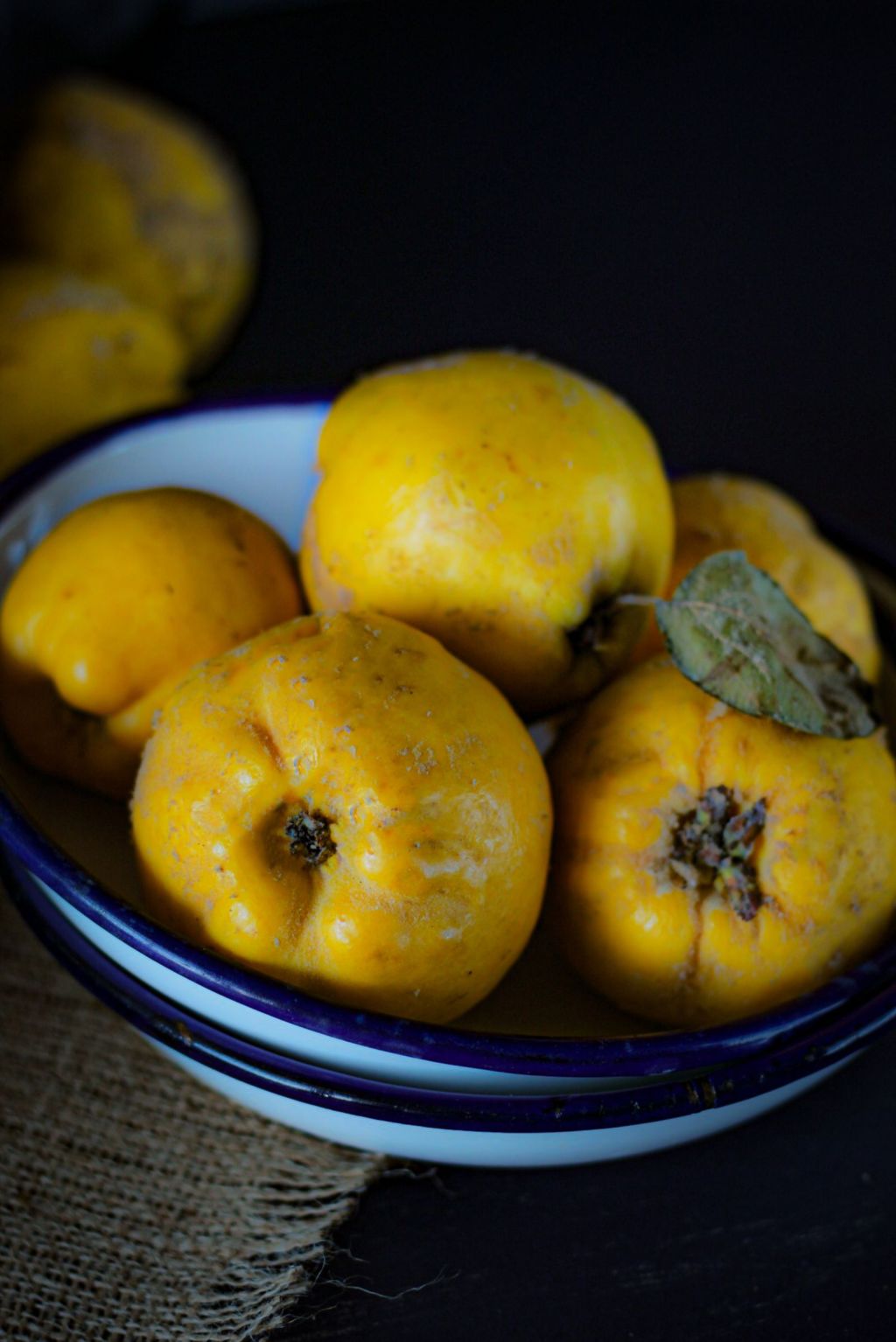
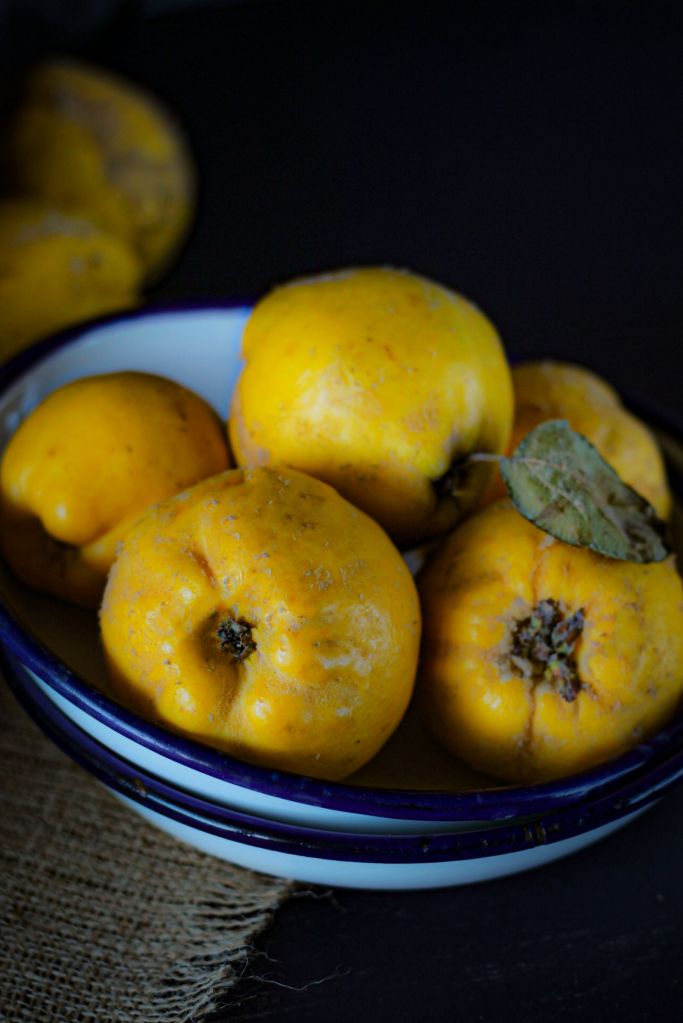
Mogwa-cheong (모과청) is a Korean fruit syrup made from mogwa, the Chinese quince. Mogwa is a bright yellow, wonderfully fragrant fruit, but it is so hard and astringent that nobody eats it raw. Instead, Koreans slice it thinly and preserve it in sugar or honey every autumn. A few weeks later the jar is full of golden, aromatic syrup that is stirred into hot water as mogwa-cha (quince tea) – a classic winter drink, much like yuja-cha and saenggang-cha.
Mogwa-cheong at a Glance
What it is
- A sweet Korean syrup (cheong) of quince preserved in sugar or honey
Main ingredients
- Mogwa (Chinese quince) and sugar, sometimes honey
Taste
- Sweet and floral with a gentle tartness and a slightly tannic finish
Main uses
- Hot or iced mogwa-cha, sparkling ades, dressings and glazes
What is Mogwa-cheong Made Of?
Classic mogwa-cheong is simply quince and sugar in roughly equal weights. As the sugar dissolves it draws juice and aroma out of the fruit. Common types:
- Sugar mogwa-cheong: the traditional homemade version.
- Honey mogwa-cheong: part or all of the sugar replaced with honey for a deeper taste.
- Jarred mogwa-cha: store-bought “quince tea” with shredded fruit in thick syrup, sold next to citron tea.
- Mixed cheong: quince combined with ginger or citron.
Outside Asia, Chinese quince can be hard to find. The common European quince is a close relative and works well as a substitute.
What Does Mogwa-cheong Taste Like?
Mogwa-cheong tastes like honeyed pear and apple with a floral, almost perfume-like aroma, a light tartness and a slight dry, tannic edge. In hot water it is soothing and mellow; with sparkling water it becomes bright and refreshing.
Popular Korean Drinks and Dishes That Use Mogwa-cheong
Mogwa-cha (Hot Quince Tea)
Syrup and fruit slices stirred into hot water – the recipe below. Many Koreans reach for it in cold season when their throat feels scratchy, as a traditional comfort drink.
Mogwa Ade
Syrup mixed with sparkling water and ice, served in cafes.
Quince Salad Dressing
A spoon of mogwa-cheong with vinegar, oil and salt makes a fruity dressing.
Meat Marinades
Like maesil-cheong, a little fruit syrup can replace sugar in soy-based marinades.
Easy Mogwa-cha Quince Tea Recipe (Serves 1, plus a jar of syrup)
Ingredients for Homemade Mogwa-cheong
- 2 lb (900 g) ripe, fragrant quince
- About 2 lb (900 g) sugar, or half sugar and half honey
- A clean, dry glass jar (sterilized with boiling water and fully dried)
For One Cup of Tea
- 2–3 tbsp mogwa-cheong with some fruit slices
- 1 cup (240 ml) hot water
- A few pine nuts or a slice of ginger (optional)
Instructions
- Wash the quince, rub off the fuzz and dry completely. Quarter carefully with a heavy knife (the fruit is very hard), remove the seeds and core, and slice as thinly as you can.
- Toss the slices with about two-thirds of the sugar and pack into the jar.
- Cover the top completely with the remaining sugar so no fruit is exposed. Close the lid.
- Leave at cool room temperature for 3–5 days, stirring with a clean, dry spoon once a day until the sugar dissolves, then move to the fridge. It is ready to drink after about 2 weeks.
- To make tea, spoon the syrup and slices into a mug, pour in hot (not boiling) water, stir and top with pine nuts.
Tip: Use only dry utensils and a dry jar – water is what makes fruit syrups spoil. For iced mogwa ade, mix 3 tbsp syrup with 1 cup sparkling water over ice.
Where to Buy Mogwa-cheong
United States
As an Amazon Associate, I earn from qualifying purchases.
Amazon
Search Korean quince tea on Amazon
Search Korean honey fruit tea on Amazon
H-Mart
Search quince tea on H-Mart
Canada
Search Korean quince tea on Amazon.ca
Europe
Search Korean quince tea on Amazon.co.uk
How to Store Mogwa-cheong
Keep homemade mogwa-cheong in the fridge in a sealed glass jar and use within about 6 months, always scooping with a clean, dry spoon. Store unopened jarred quince tea in a cool pantry and refrigerate after opening. Discard if you see mold or it smells alcoholic or sour.
Mogwa-cheong FAQ
Can you eat mogwa raw?
Not really – it is very hard, sour and astringent. It is used for syrups, teas and liqueurs instead.
Can I eat the fruit slices in the tea?
Yes, after a few weeks in sugar they soften and become chewy and sweet, though some people just enjoy the syrup.
What is the difference between mogwa-cha and yuja-cha?
Yuja-cha is citrusy and bright from citron peel; mogwa-cha is floral and mellow, with a light tannic finish.
Is mogwa-cha caffeine-free?
Yes. It is a fruit syrup drink with no tea leaves, so it contains no caffeine.
Conclusion
Mogwa-cheong turns a fruit you cannot eat raw into one of Korea’s most fragrant winter drinks. Make a jar in autumn or buy ready-made quince tea, and enjoy it hot or as a sparkling ade. For more Korean fruit syrups, try omija-cheong.


Leave a Reply