Introduction
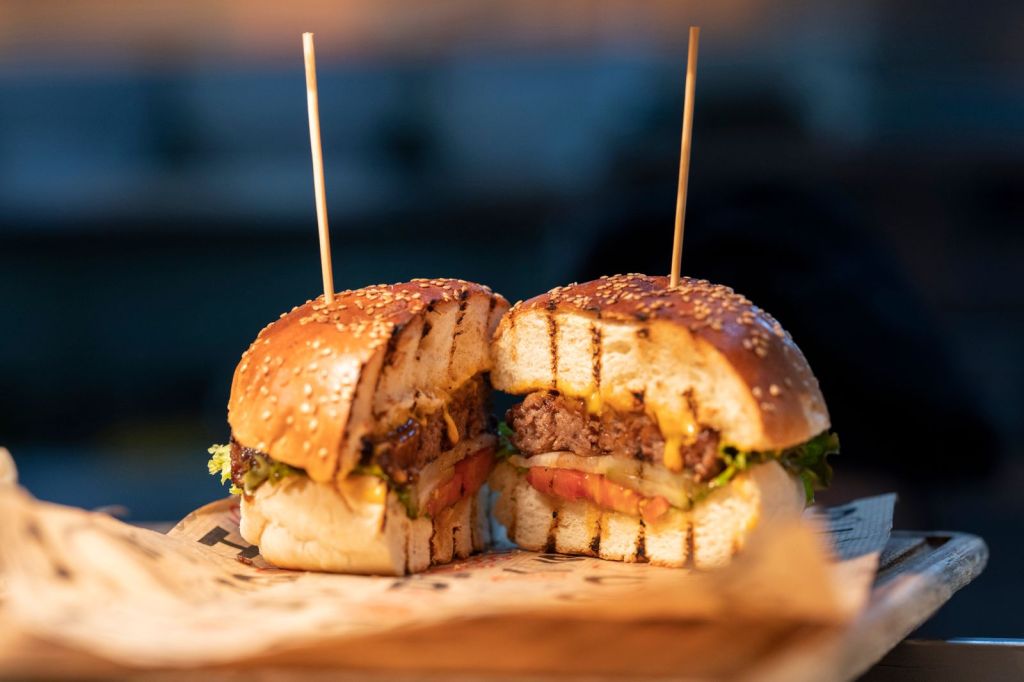
Walk into almost any Korean fast-food restaurant and you will find a bulgogi burger (불고기 버거) on the menu. It is a soft bun, a juicy patty, crisp lettuce and mayo – and the thing that makes it Korean is the bulgogi burger sauce: a dark, sticky, sweet soy-garlic glaze inspired by the classic bulgogi marinade. The patty is brushed or simmered in the sauce so every bite is sweet, salty and savory. Korean chains have served this burger since the 1990s, and it is still one of the best-selling burgers in the country.
Bulgogi Burger Sauce at a Glance
What it is
- A thickened sweet soy glaze for burger patties, based on bulgogi flavors
Main ingredients
- Soy sauce, sugar, corn syrup or honey, garlic, onion, sesame oil, black pepper, starch
Taste
- Sweet, salty and garlicky, similar to teriyaki but nuttier from sesame oil
Main uses
- Bulgogi burgers, rice burgers, sandwiches, glazed meatballs and rice bowls
What is Bulgogi Burger Sauce Made Of?
At its core it is a bulgogi marinade that has been reduced and thickened so it clings to a patty instead of soaking into thin slices of beef. Soy sauce and sugar form the base, corn syrup or honey adds shine, grated onion and garlic give savory sweetness, and sesame oil and black pepper finish it. A little starch slurry turns it into a glossy glaze. Common versions include:
- Classic fast-food style: very sweet, thick and dark, brushed generously on a pork or pork-beef patty.
- Homemade style: less sugar, more garlic and grated Korean pear or apple for natural sweetness.
- Spicy style: a spoon of gochujang added for a sweet-hot glaze.
- Bottled shortcut: store-bought bulgogi or galbi sauce simmered until thick.
What Does Bulgogi Burger Sauce Taste Like?
Think of a sweeter, garlickier teriyaki with a toasty sesame finish. The sweetness comes first, then soy-sauce saltiness and a gentle bite of black pepper. Paired with creamy mayo and crunchy lettuce, the sauce tastes rich but not heavy – which is exactly why the bulgogi burger is a comfort food for many Koreans.
Popular Korean Dishes That Use Bulgogi Burger Sauce
Bulgogi Burger
A glazed patty with lettuce and mayo in a soft bun – the signature use.
Rice Burger
Pan-crisped rice patties used as the “bun,” filled with bulgogi-glazed meat.
Bulgogi Toast and Sandwiches
A popular twist on Korean street toast with sweet soy beef added.
Glazed Meatballs (Wanja)
Small meatballs simmered in the sauce for lunch boxes and side dishes.
Easy Bulgogi Burger Recipe (Makes 4 burgers)
Ingredients
- 1 lb (450 g) ground pork, or half pork and half beef
- 1/4 onion, finely minced
- 1 tsp minced garlic, 1 tsp soy sauce, 1/4 tsp black pepper
- 3 tbsp panko or breadcrumbs
- 4 soft burger buns, lettuce, and mayonnaise
Bulgogi burger sauce
- 4 tbsp soy sauce
- 2 tbsp sugar (brown sugar works well)
- 2 tbsp corn syrup, rice syrup or honey
- 4 tbsp water
- 1 tbsp minced garlic and 2 tbsp grated onion
- 1 tsp sesame oil and a pinch of black pepper
- 1 tsp cornstarch mixed with 1 tbsp water
Instructions
- Make the sauce: simmer the soy sauce, sugar, syrup, water, garlic and onion in a small pot for 2–3 minutes. Stir in the starch slurry and cook until glossy and thick, then add the sesame oil and pepper.
- Mix the ground meat, onion, garlic, soy sauce, pepper and panko. Shape into 4 patties a little wider than your buns, pressing a small dent in the center of each.
- Cook the patties in a lightly oiled pan over medium heat for 4–5 minutes per side, until the center reaches 160°F (71°C) on a meat thermometer.
- Lower the heat, pour in about half the sauce and turn the patties to coat for 1 minute until sticky.
- Toast the buns, spread with mayo, add lettuce and a glazed patty, and spoon over a little extra sauce. Serve warm.
Tip: Add the sauce only at the end – the sugar in it burns quickly over high heat. For a creamier, more “fast-food” taste, use a sweet Korean mayo.
Where to Buy Bulgogi Burger Sauce Ingredients
United States
As an Amazon Associate, I earn from qualifying purchases.
Amazon
Search Korean bulgogi sauce on Amazon
Search Korean soy sauce on Amazon
H-Mart
Search bulgogi sauce on H-Mart
Canada
Search Korean bulgogi sauce on Amazon.ca
Europe
Search Korean bulgogi sauce on Amazon.co.uk
How to Store Bulgogi Burger Sauce
Cool leftover sauce and keep it in a sealed jar in the fridge for up to 1 week. It thickens when cold; warm it gently with a splash of water before using. Uncooked patties can be frozen between sheets of parchment for up to 2 months – cook them straight from frozen over medium-low heat until they reach 160°F (71°C).
Bulgogi Burger Sauce FAQ
Is bulgogi burger sauce the same as teriyaki sauce?
They are similar sweet soy glazes, but bulgogi sauce uses more garlic, onion and sesame oil and usually no mirin-heavy base.
What meat is in a Korean bulgogi burger?
Fast-food versions often use a pork or pork-blend patty. Beef or a beef-pork mix works great at home.
Can I use store-bought bulgogi marinade?
Yes. Simmer it until reduced, then thicken with a little cornstarch slurry.
Is bulgogi burger sauce spicy?
No. It is sweet and savory. Add gochujang or chili flakes if you want heat.
Conclusion
Bulgogi burger sauce takes the flavors of Korea’s most famous BBQ dish and turns them into a glossy glaze for a simple homemade burger. Mix the sauce, glaze the patties at the end of cooking and stack them with lettuce and mayo for a taste of Korean fast food at home. To go back to the original, try our beef bulgogi recipe.


Leave a Reply