Introduction
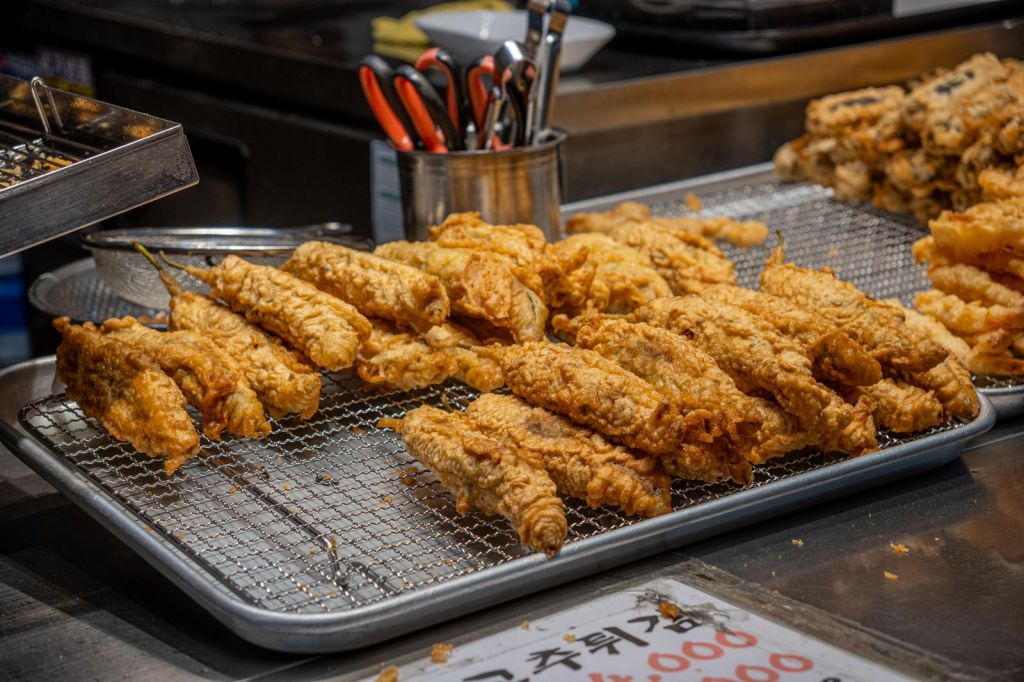
Gimmari (김말이) means “seaweed roll,” and it is one of the most loved fried snacks at Korean street food stalls. Seasoned sweet potato glass noodles are wrapped in a strip of roasted seaweed, dipped in a light batter and deep-fried until crisp. At a bunsik shop, gimmari is usually served next to tteokbokki so you can drag it through the spicy-sweet sauce. You can buy gimmari frozen at Korean grocery stores or make a fresh batch at home.
Gimmari at a Glance
What it is
- Deep-fried seaweed rolls filled with glass noodles; a Korean twigim (fritter)
Main ingredients
- Dangmyeon glass noodles, gim seaweed, soy sauce, vegetables, frying batter
Taste
- Crunchy outside, chewy inside, savory with a toasty seaweed flavor
Main uses
- Snack with tteokbokki sauce, side for ramyeon, party and lunch-box finger food
What is Gimmari Made Of?
The filling is dangmyeon – chewy sweet potato starch noodles – cooked and seasoned with soy sauce, sesame oil and pepper, sometimes with finely chopped carrot, scallion or chives. It is rolled in a half sheet of plain gim, coated in a thin batter made with Korean frying mix and fried twice for extra crunch. Types you will see:
- Classic gimmari: glass noodles only, the street-stall standard.
- Vegetable gimmari: noodles mixed with carrots, chives and onion.
- Spicy gimmari: filling seasoned with gochugaru or chopped chili.
- Frozen gimmari: pre-fried rolls sold in bags, reheated in an oven or air fryer.
What Does Gimmari Taste Like?
Fresh gimmari is crunchy and light on the outside with a soft, bouncy noodle center. The seaweed adds a nutty, oceanic flavor, and the seasoned noodles are mildly salty and savory. Plain gimmari is not spicy – the heat comes from the tteokbokki sauce it is usually dipped in, which also softens the crust in the best way.
Popular Korean Dishes That Use Gimmari
Tteokbokki with Twigim
The classic bunsik combo: gimmari dipped in or tossed with tteokbokki sauce.
Twigim Platter
Gimmari served with fried sweet potato, squid, boiled egg and vegetable fritters.
Rabokki Topping
A few gimmari on top of ramen-tteokbokki soak up the sauce.
Gimmari Jorim
A home-style dish where gimmari is simmered in a sweet soy or spicy sauce.
Easy Homemade Gimmari Recipe (Makes about 16 rolls)
Ingredients
- 3 oz (85 g) dangmyeon (sweet potato glass noodles)
- 1/4 carrot and 2 scallions, finely chopped
- 4 sheets plain roasted gim, cut in half (8 half sheets), then each half cut in two crosswise
- Neutral oil for deep-frying
Noodle seasoning
- 1 1/2 tbsp soy sauce
- 1 tsp sugar
- 1 tsp sesame oil and a pinch of black pepper
Batter
- 1 cup Korean frying mix (twigim garu), plus 2 tbsp for dusting
- About 3/4 cup ice-cold water
Instructions
- Soak the noodles in warm water for 30 minutes, then boil for 5–6 minutes until chewy-soft. Drain well, cut into 3–4 inch lengths and mix with the carrot, scallions and seasoning.
- Place a seaweed piece shiny side down, lay a small bundle of noodles along one edge and roll it up tightly. Dab the end with a little water to seal. Repeat.
- Heat about 2 inches of oil in a heavy, deep pot to 340–350°F (170–175°C). Use a thermometer, keep the pot at the back of the stove, never leave it unattended, and keep a lid nearby; never put water on an oil fire.
- Lightly dust each roll with dry frying mix, dip in the batter and gently lower into the oil. Fry a few at a time for 2–3 minutes until pale golden. Drain on a rack.
- For extra crunch, fry again for 1 minute until deep golden. Serve hot, plain or with tteokbokki sauce.
Tip: Make sure the noodles are well drained – wet filling makes the seaweed tear and causes oil to spatter. For more on the batter, see our twigim garu guide.
Where to Buy Gimmari
United States
As an Amazon Associate, I earn from qualifying purchases.
Amazon
Search Korean glass noodles on Amazon
Search Korean frying mix on Amazon
H-Mart
Search gimmari on H-Mart
Search seaweed roll on H-Mart
Canada
Search Korean glass noodles on Amazon.ca
Europe
Search Korean glass noodles on Amazon.co.uk
Frozen gimmari is sold in the freezer aisle of Korean grocery stores, often near frozen dumplings and fish cakes.
How to Store Gimmari
Keep frozen gimmari frozen and cook it from frozen in an air fryer at about 375°F (190°C) for 8–10 minutes, or in the oven, until hot and crisp. Homemade gimmari is best eaten the day you make it; leftovers can be refrigerated for 2 days or frozen for up to 1 month and re-crisped in an air fryer.
Gimmari FAQ
What is inside gimmari?
Mostly seasoned sweet potato glass noodles, sometimes with chopped vegetables.
Is gimmari vegan?
The classic recipe has no meat, but some batters and frozen brands contain egg or other animal ingredients, so check the label.
Can I make gimmari in an air fryer?
Yes. Brush battered rolls with oil and air-fry at 390°F (200°C) for 10–12 minutes, turning once. They are less crunchy than deep-fried.
What sauce goes with gimmari?
Tteokbokki sauce is the classic pairing; soy-vinegar dipping sauce is a lighter option.
Conclusion
Gimmari turns two Korean pantry staples – glass noodles and seaweed – into a crunchy street snack that is irresistible with spicy sauce. Grab a frozen bag for quick snacking, or fry a fresh batch at home and serve it with a pot of tteokbokki made with our tteokbokki sauce recipe.


Leave a Reply