Introduction
Oksusu-cha (옥수수차) is Korean roasted corn tea – dried corn kernels roasted until golden-brown and simmered in water. Along with boricha (barley tea), it is one of the everyday grain teas many Korean families keep in the fridge instead of plain water. It is caffeine-free, inexpensive and has a toasty sweetness that even kids enjoy.
Oksusu-cha at a Glance
What it is
- A Korean grain tea brewed from roasted dried corn
Main ingredients
- Roasted corn kernels and water (sometimes blended with barley or corn silk)
Taste
- Nutty, toasty and naturally sweet, like popcorn or cornbread
Main uses
- Everyday drinking water, hot tea in winter, iced tea in summer, a pairing for rich meals
What is Oksusu-cha Made Of?
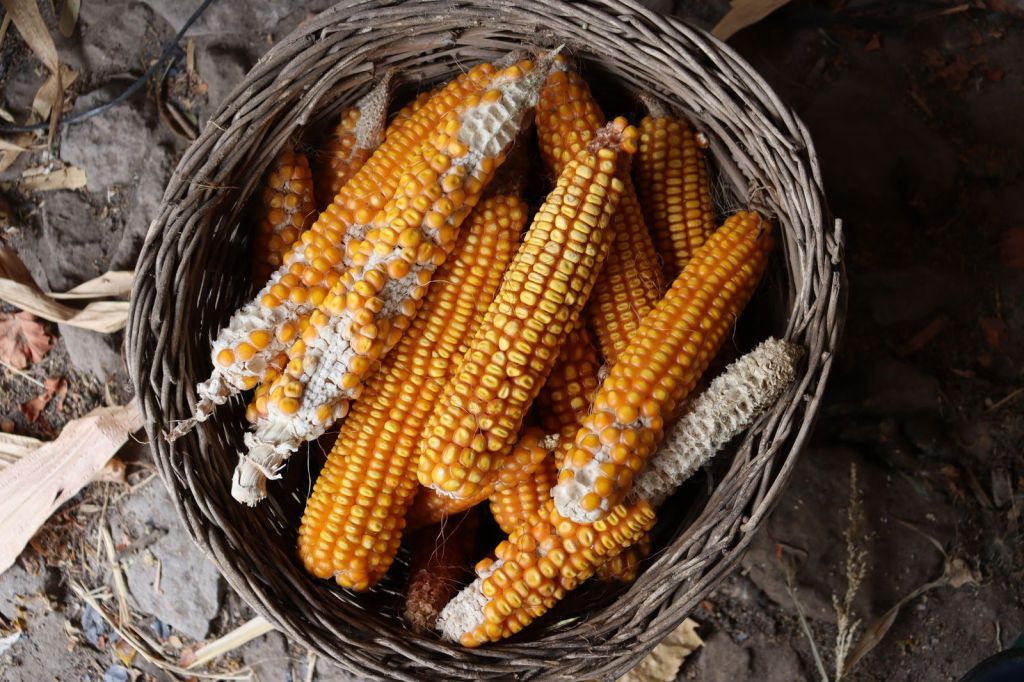
Oksusu-cha is made from dried corn kernels that are roasted until deep golden. You can buy roasted kernels loose, in tea bags, or as ready-to-drink bottled tea. Types you’ll see:
- Roasted corn kernels: the traditional form, simmered in a kettle.
- Tea bags: convenient for cold brew or a single cup.
- Oksusu-suyeom-cha (corn silk tea): made from the silky strands of the corn cob; lighter and more floral, often mixed with roasted corn.
- Bottled tea: sold in Korean convenience stores, usually lightly flavored and unsweetened.
What Does Oksusu-cha Taste Like?
It tastes warm and comforting: toasted corn, a gentle natural sweetness and a smooth finish with no bitterness. Compared with barley tea it is rounder and sweeter; many people mix the two for a balanced, nutty brew.
Popular Ways to Enjoy Oksusu-cha
Hot Oksusu-cha
Simmered in a kettle and sipped warm in cold weather. Recipe below.
Iced Corn Tea
Chilled in the fridge as a summer thirst-quencher.
Corn and Barley Blend
Half corn, half barley – a classic home combination.
With Korean Meals
Served at the table with grilled meat, stews and rich dishes.
Easy Homemade Oksusu-cha Recipe (Makes about 2 quarts / 2 L)
Ingredients
- 1/3 cup (about 40 g) roasted corn kernels (or 1/2 cup dried corn kernels to roast yourself)
- 2 quarts (2 L) water
Instructions
- If roasting yourself: rinse the dried corn, pat dry and toast it in a dry heavy pan over medium-low heat, stirring constantly, for 15–25 minutes until deep golden-brown and fragrant. Let it cool.
- Rinse the roasted kernels briefly to remove dust.
- Bring the water to a boil in a large pot or kettle, add the corn and lower the heat.
- Simmer for 10–15 minutes, until the tea is golden-amber. Simmer longer for a stronger, sweeter flavor.
- Strain out the kernels. Drink warm, or cool and refrigerate for iced tea.
Tip: For cold brew, put two tea bags in a pitcher of cold water and refrigerate for 4–8 hours – the flavor is smoother and lighter.
Where to Buy Oksusu-cha
United States
As an Amazon Associate, I earn from qualifying purchases.
Amazon
Search Korean roasted corn tea on Amazon
Search Korean corn silk tea on Amazon
H-Mart
Search corn tea on H-Mart
Canada
Search Korean roasted corn tea on Amazon.ca
Europe
Search Korean roasted corn tea on Amazon.co.uk
How to Store Oksusu-cha
Keep roasted kernels or tea bags in an airtight container in a cool, dry place and use within the date on the package (once opened, a few months is best for flavor). Brewed tea has no preservatives: refrigerate it and drink within 2–3 days, discarding it if it smells sour or turns cloudy.
Oksusu-cha FAQ
Does Korean corn tea have caffeine?
No. Pure roasted corn tea is naturally caffeine-free, which is why it is often given to children.
Is oksusu-cha the same as corn silk tea?
Not exactly. Oksusu-cha uses roasted kernels; corn silk tea (oksusu-suyeom-cha) uses the dried silk. Many commercial teas blend both.
Can I reuse the corn kernels?
You can get a second, lighter brew, but the flavor drops noticeably. Most people use fresh kernels each time.
Can I use popcorn kernels?
Yes, dried popcorn kernels can be pan-roasted slowly and used; keep the heat low so they toast instead of popping.
Conclusion
Oksusu-cha is one of the simplest Korean drinks to make and one of the most comforting: just roasted corn and water. Keep a pitcher in the fridge and you’ll understand why Korean homes rarely serve plain water. For another caffeine-free favorite, try our daechu-cha (jujube tea).


Leave a Reply