Introduction
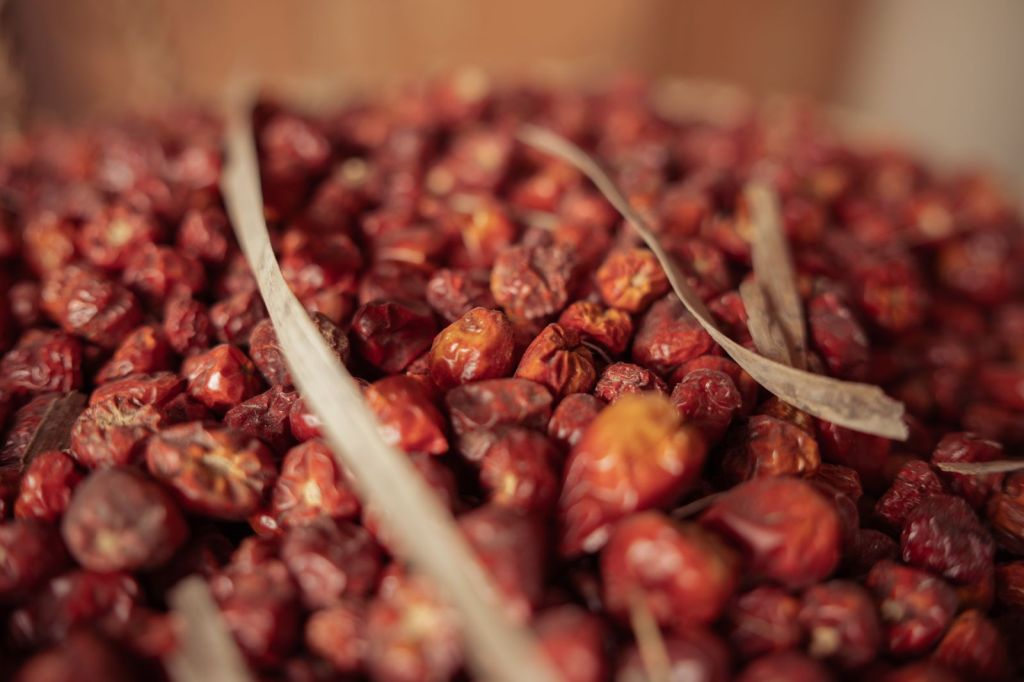
Daechu (대추) is the Korean name for jujube, a small red fruit also called red date or Chinese date. Fresh jujubes are crisp like a small apple, but in Korean kitchens they are mostly used dried, when they turn deep red, wrinkled and naturally sweet. Dried daechu go into ginseng chicken soup, sweet rice dishes, braised short ribs and, most famously, a warming tea called daechu-cha. They are also a traditional part of ancestral rites and wedding ceremonies. Here is everything you need to know.
Daechu at a Glance
What it is
- Dried jujube fruit, a common Korean pantry ingredient
Main ingredients
- 100% jujube (Ziziphus jujuba), sun- or machine-dried
Taste
- Sweet, mellow and slightly tangy, like a cross between a date and a dried apple
Main uses
- Daechu-cha tea, samgyetang, yaksik (sweet rice), galbi-jjim, garnish for rice cakes and drinks
What is Daechu Made Of?
Daechu is simply the fruit of the jujube tree, harvested in early autumn and dried until shriveled and chewy. In Korea, the town of Boeun in North Chungcheong Province is especially known for its jujubes. Types you will find:
- Whole dried jujubes: the most common form, with the pit inside.
- Pitted or sliced jujubes: convenient for rice dishes and snacks.
- Jujube chips: thin, crispy dried slices eaten as a snack.
- Jujube tea concentrate (daechu-cha): a ready-made paste or syrup for instant tea.
What Does Daechu Taste Like?
Dried daechu are naturally sweet with a soft, chewy flesh and a gentle tang. They are less sticky and less sugary than Middle Eastern dates. When simmered, they release a mellow, almost caramel-like sweetness and a warm red-brown color, which is why they are often used to round out savory broths and herbal soups.
Popular Korean Dishes That Use Daechu
Daechu-cha (Jujube Tea)
Jujubes simmered for a long time into a sweet, earthy tea, often with ginger.
Samgyetang
Ginseng chicken soup almost always includes a few daechu for sweetness.
Yaksik
Sweet glutinous rice cooked with soy sauce, sesame oil, chestnuts, pine nuts and jujubes.
Galbi-jjim
Braised short ribs often include jujubes – see our galbi-jjim sauce guide.
Easy Daechu-cha Recipe (Serves 4)
Ingredients
- 20 dried jujubes (about 2 oz / 60 g)
- 8 cups (2 L) water
- 4 thin slices fresh ginger (optional)
- 1 small cinnamon stick (optional)
- Honey to taste
- A few pine nuts for garnish
Instructions
- Rinse the jujubes well under running water, rubbing them to remove dust. Make a few shallow cuts in each one so they release flavor faster.
- Put the jujubes, water, ginger and cinnamon in a pot and bring to a boil.
- Reduce the heat to low and simmer, partly covered, for 1 to 1.5 hours, until the liquid has reduced by about half and turned reddish-brown.
- For a richer tea, mash the softened jujubes against the side of the pot, then strain through a fine sieve, pressing on the pulp.
- Sweeten with honey to taste and serve hot, garnished with a few pine nuts.
Tip: Make a big batch and keep it in the fridge – the tea is also delicious chilled, and you can reheat a cup at a time.
Where to Buy Daechu
United States
As an Amazon Associate, I earn from qualifying purchases.
Amazon
Search Korean dried jujube on Amazon
Search Korean jujube tea on Amazon
H-Mart
Search jujube on H-Mart
Canada
Search dried jujube on Amazon.ca
Europe
Search dried jujube on Amazon.co.uk
How to Store Daechu
Store dried jujubes in an airtight bag or container in a cool, dry place for a few months. For longer storage, or in a humid climate, keep them in the refrigerator or freezer to prevent mold and pantry insects. Homemade daechu-cha keeps about 5 days in the fridge.
Daechu FAQ
Are jujubes the same as dates?
No. Jujubes are sometimes called red dates, but they come from a different plant and are smaller, less sticky and less sweet than date palm fruit.
Can you eat dried jujubes raw?
Yes. They can be eaten straight from the bag as a chewy snack; just watch out for the hard pit.
What does jujube tea taste like?
Sweet, earthy and slightly fruity, a little like a mild prune or raisin tea.
Why are jujubes used in Korean ceremonies?
Jujubes are traditionally placed on ancestral rite tables and tossed to newlyweds at the pyebaek wedding ceremony as a wish for many children.
Conclusion
Daechu are a small but essential part of Korean cooking, adding natural sweetness to soups, rice dishes and teas. Keep a bag in your pantry and start with a pot of daechu-cha on a cold day. For more Korean warm drinks, try saenggang-cha ginger tea or yuja-cha citron tea.


Leave a Reply