Introduction
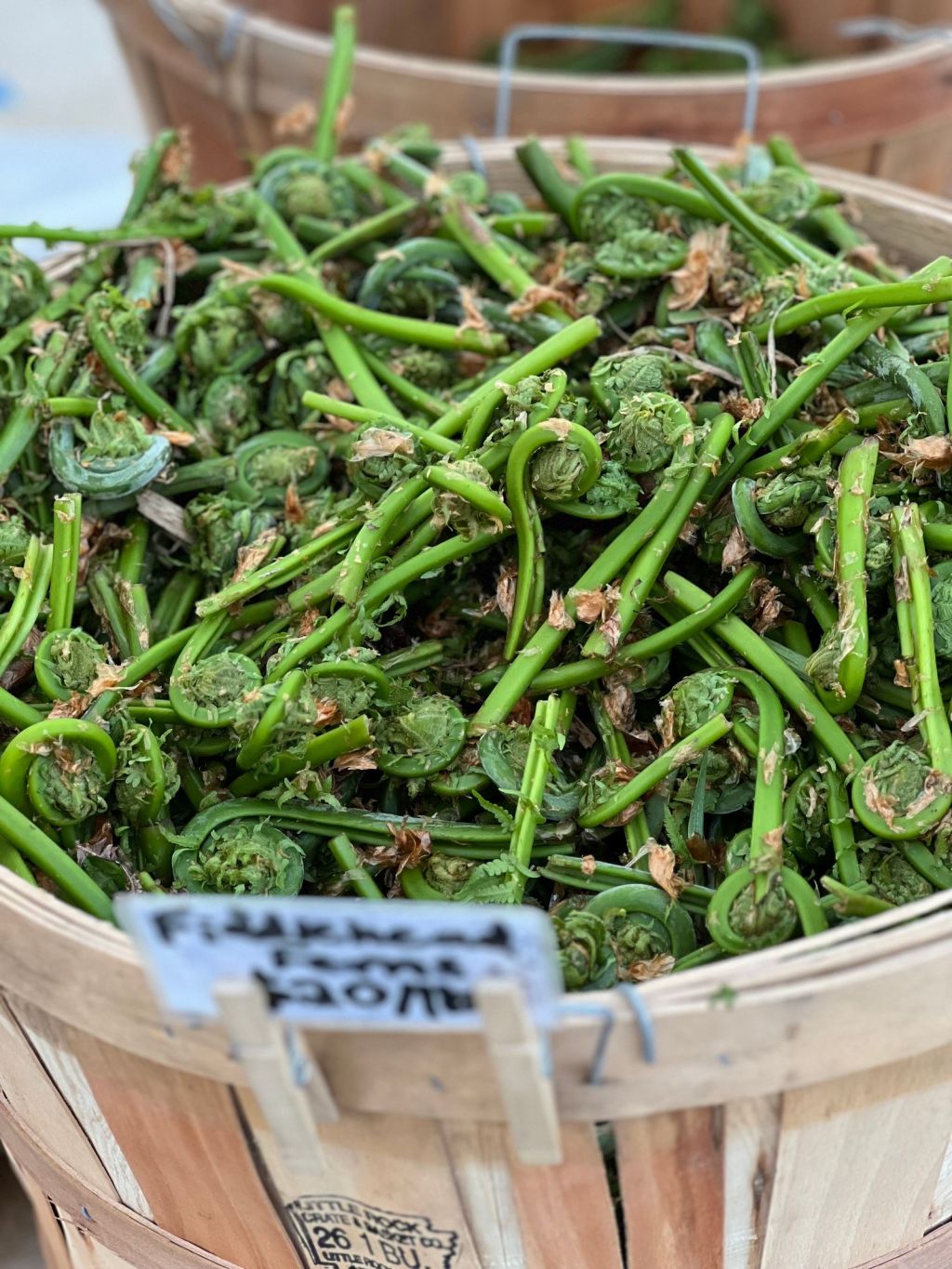
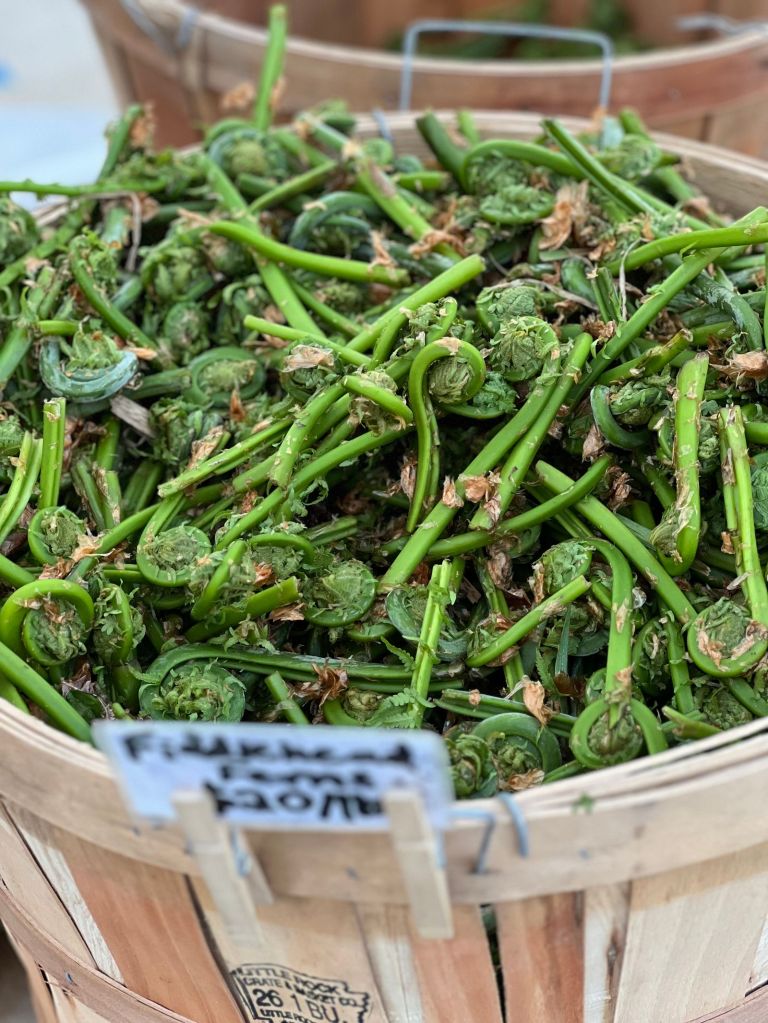
Gosari (고사리) is the young shoot of the bracken fern, often called fernbrake in English. Picked in spring before the fronds unfurl, it is boiled and dried, and then rehydrated for cooking. Gosari is one of the essential “three-color namul” on Korean holiday and ancestral-rite tables, the brown vegetable in bibimbap, and a must in spicy beef soup yukgaejang. Its chewy, meaty texture makes it a favorite in Korean temple and vegetarian cooking too.
Gosari at a Glance
What it is
- Young bracken fern shoots, sold dried or pre-soaked
Main ingredients
- 100% bracken shoots (boiled and dried)
Taste
- Earthy and mild, almost mushroom-like, with a chewy, tender texture
Main uses
- Gosari namul, bibimbap, yukgaejang, holiday namul platters
What is Gosari Made Of?
Gosari is just bracken shoots. Raw bracken contains natural compounds that should not be eaten, which is why Koreans never eat it raw: the shoots are boiled before drying, and dried gosari is soaked and boiled again before cooking. Types you’ll find:
- Dried gosari: dark brown and brittle; needs soaking and boiling.
- Pre-soaked (boiled) gosari: sold refrigerated or vacuum-packed in water, ready to rinse and cook.
- Domestic vs. imported: Korean-grown gosari is prized and pricier; imported gosari is common abroad.
What Does Gosari Taste Like?
Properly prepared gosari is soft but chewy, a bit like a cross between mushroom and asparagus stems. It has a gentle earthy flavor and soaks up seasonings well, so it tastes of soy sauce, garlic and perilla or sesame oil after cooking.
Popular Korean Dishes That Use Gosari
Gosari Namul
Stir-fried seasoned fernbrake – a classic banchan and holiday dish.
Bibimbap
Gosari is one of the traditional toppings, especially in Jeonju bibimbap.
Yukgaejang
Spicy shredded beef soup that relies on gosari for texture.
Samsaek Namul
“Three-color namul” – gosari (brown), bean sprouts or doraji (white) and spinach (green) – served at Seollal, Chuseok and jesa.
Easy Gosari Namul Recipe (Serves 4 as a side)
Ingredients
- 30 g (1 oz) dried gosari, or 300 g (10 oz) pre-soaked gosari
- 1 tbsp perilla oil (or sesame oil) + 1 tbsp cooking oil
- 1/3 cup (80 ml) water or anchovy-kelp stock
- 1 scallion, chopped; 1 tsp toasted sesame seeds
Seasoning
- 1 1/2 tbsp soup soy sauce (guk-ganjang) or regular soy sauce
- 1 tsp minced garlic
- 1 tsp perilla seed powder (optional)
Instructions
- If using dried gosari, soak it in plenty of water for at least 8 hours or overnight.
- Drain, put in a pot of fresh water and boil for 20–30 minutes until a stem is tender when pinched. Turn off the heat and let it soak in the cooking water for a few more hours, then rinse and change the water a few times. (Pre-soaked gosari just needs rinsing and a quick 5-minute boil.)
- Squeeze out the water, cut off any tough ends and cut into 5–6 cm (2-inch) lengths. Toss with the soy sauce and garlic.
- Heat both oils in a pan over medium heat and stir-fry the gosari for 3 minutes.
- Add the water or stock, cover and simmer on low for 5–7 minutes until soft and the liquid is mostly absorbed. Stir in perilla powder if using.
- Finish with the scallion and sesame seeds. Serve warm or at room temperature.
Tip: Never skip the soaking and boiling steps for dried gosari – they soften it, remove bitterness and are the traditional way to make bracken safe to eat. Perilla oil gives the most authentic flavor.
Where to Buy Gosari
Dried gosari is sold in the dried-goods aisle of Korean markets; pre-soaked gosari is in the refrigerated section.
United States
As an Amazon Associate, I earn from qualifying purchases.
Amazon
Search dried gosari (fernbrake) on Amazon
H-Mart
Search fernbrake on H-Mart
Canada
Search dried fernbrake on Amazon.ca
Europe
Search dried fernbrake on Amazon.co.uk
How to Store Gosari
Dried gosari keeps for a year or more in a sealed bag in a cool, dry place. Soaked and boiled gosari keeps 3–4 days in the fridge covered in water (change it daily) or can be squeezed, portioned and frozen for 2–3 months. Cooked gosari namul keeps 3–4 days refrigerated.
Gosari FAQ
Is gosari safe to eat?
Yes, when prepared the traditional way – never raw, always soaked and thoroughly boiled. Enjoy it as part of a varied diet, as Koreans do.
Is gosari the same as fiddlehead ferns?
Both are young fern shoots, but gosari is bracken (Pteridium), while North American “fiddleheads” usually come from the ostrich fern.
Why is my gosari still tough?
It wasn’t soaked or boiled long enough. Boil until a stem squashes easily between your fingers.
How much does dried gosari expand?
Roughly 6–10 times its dry weight, so 30 g dried makes about 200–300 g soaked.
Conclusion
Gosari takes a little planning, but once soaked and boiled it becomes one of the most satisfying Korean vegetables – chewy, savory and perfect in bibimbap or a holiday namul platter. Pair it with our sigeumchi namul (spinach) for a classic trio.


Leave a Reply