Introduction
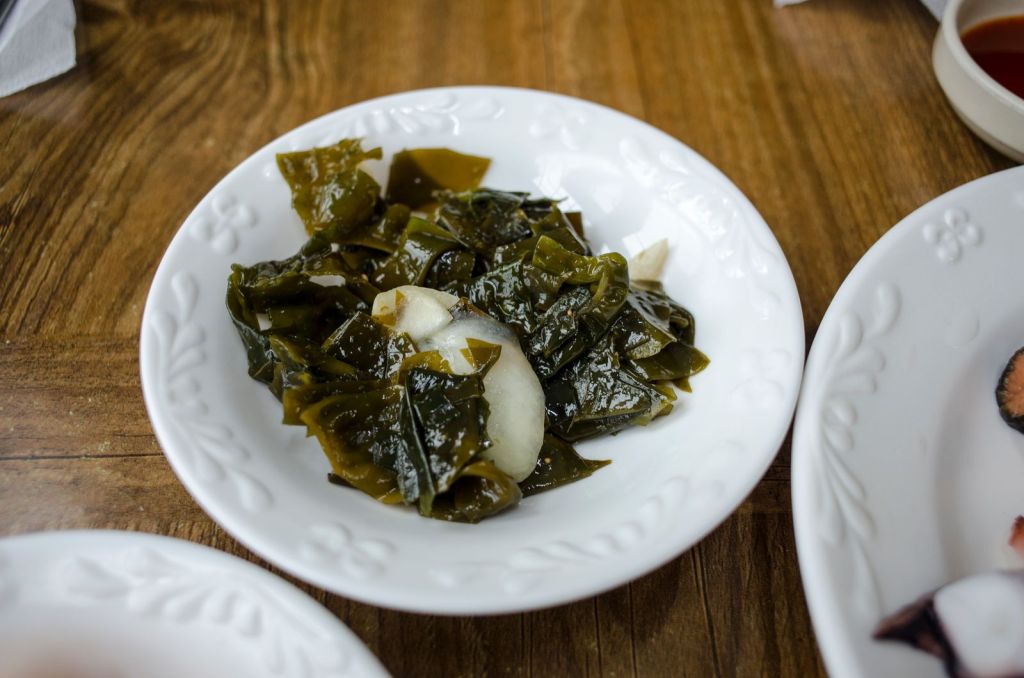
Tot (톳) is the Korean name for hijiki, a dark brown-to-black seaweed with short, bead-like branches. It grows on rocky shores around Jeju Island and Korea’s southern coast, and it is harvested mostly in spring. Koreans love it for its crunchy, popping texture in side dishes like tot-muchim and in tot-bap (hijiki rice). If you already know miyeok and gim, tot is the next seaweed to try.
Tot at a Glance
What it is
- A brown sea vegetable (hijiki, Sargassum fusiforme) sold fresh, salted or dried
Main ingredients
- 100% seaweed (salted tot also contains salt)
Taste
- Mildly briny and earthy with a crunchy, bouncy texture
Main uses
- Tot-muchim (seasoned salad), tot-bap (hijiki rice), tot with chogochujang, stir-fries
What is Tot Made Of?
Tot is a single ingredient – the seaweed itself. It is sold in a few forms:
- Fresh tot (saeng-tot): greenish-brown in spring at Korean markets; turns bright green when blanched.
- Salted tot (yeomjang-tot): packed in salt for longer storage; soak to remove salt.
- Dried tot: black and wiry; expands several times when rehydrated.
- Ready-made tot-muchim: seasoned side dish sold at banchan counters.
What Does Tot Taste Like?
Tot has a gentle ocean flavor that is less slippery than miyeok. Its best feature is texture: each little branch pops slightly when you bite it. It absorbs seasonings well, so it tastes great dressed with sesame oil and garlic, tofu, or tangy chogochujang.
Popular Korean Dishes That Use Tot
Tot-dubu-muchim
Blanched tot mixed with crumbled tofu, sesame oil and garlic.
Tot Chogochujang Muchim
A spicy, sweet-and-sour version with radish or cucumber.
Tot-bap
Rice cooked with tot and served with a soy seasoning sauce – a Jeju-style favorite.
Easy Tot-muchim Recipe (Serves 3 as a side dish)
Ingredients
- 200 g (7 oz) fresh or salted tot, or 15 g dried tot
- 1/2 block (150 g) firm tofu
Seasoning
- 1 tsp minced garlic, 1 tbsp chopped green onion
- 1/2 tsp salt or 1 tsp soup soy sauce (adjust)
- 1 tbsp sesame oil, 1 tbsp toasted sesame seeds
Instructions
- Prepare the tot: rinse fresh tot well; soak salted tot 20–30 minutes, changing the water; soak dried tot 30 minutes until expanded. Drain.
- Blanch the tot in plenty of boiling water for 30–60 seconds until it turns bright green. Drain, discard the water, rinse in cold water and squeeze dry. Cut into bite-size lengths.
- Wrap the tofu in a clean cloth and squeeze out the water, crumbling it finely. Toast it briefly in a dry pan for 2 minutes if you like it drier.
- In a bowl, mix the tot, tofu, garlic, green onion and salt or soy sauce by hand. Finish with sesame oil and sesame seeds. Taste and adjust the salt.
Tip: Hijiki can contain naturally occurring inorganic arsenic, and some food agencies advise eating it only in moderation. Soaking, blanching and always discarding the soaking and cooking water helps reduce it.
Where to Buy Tot
Dried hijiki is the easiest form to find outside Korea, in Korean and Japanese grocery stores and online. Salted or fresh tot appears at larger Korean markets in spring.
United States
As an Amazon Associate, I earn from qualifying purchases.
Amazon
Search dried hijiki seaweed on Amazon
Search Korean tot seaweed on Amazon
H-Mart
Search hijiki on H-Mart
Canada
Search dried hijiki seaweed on Amazon.ca
Europe
Search dried hijiki seaweed on Amazon.co.uk
How to Store Tot
Keep dried tot in an airtight bag in a cool, dry place for up to a year. Salted tot keeps several weeks in the fridge. Fresh tot should be blanched within 1–2 days; blanched tot can be frozen in portions for up to 1 month. Tot-muchim keeps 2–3 days refrigerated.
Tot FAQ
Is tot the same as hijiki?
Yes. Tot is the Korean name and hijiki is the Japanese name for the same seaweed.
Why does tot turn green when cooked?
Heat changes the pigments in fresh brown seaweed, turning it bright green – a sign it is blanched.
Is hijiki safe to eat?
It is a traditional food in Korea and Japan, but because it can contain inorganic arsenic, eat it in moderation and always soak, blanch and discard the water.
What can I use instead of tot?
Rehydrated miyeok stems or sea grapes give a similar crunchy, briny texture in muchim.
Conclusion
Tot is a fun, crunchy seaweed that turns into a fresh, savory banchan in 10 minutes. Prepare it carefully, season it simply and enjoy it with rice. For a classic seaweed broth base, read our dasima guide.


Leave a Reply