Introduction
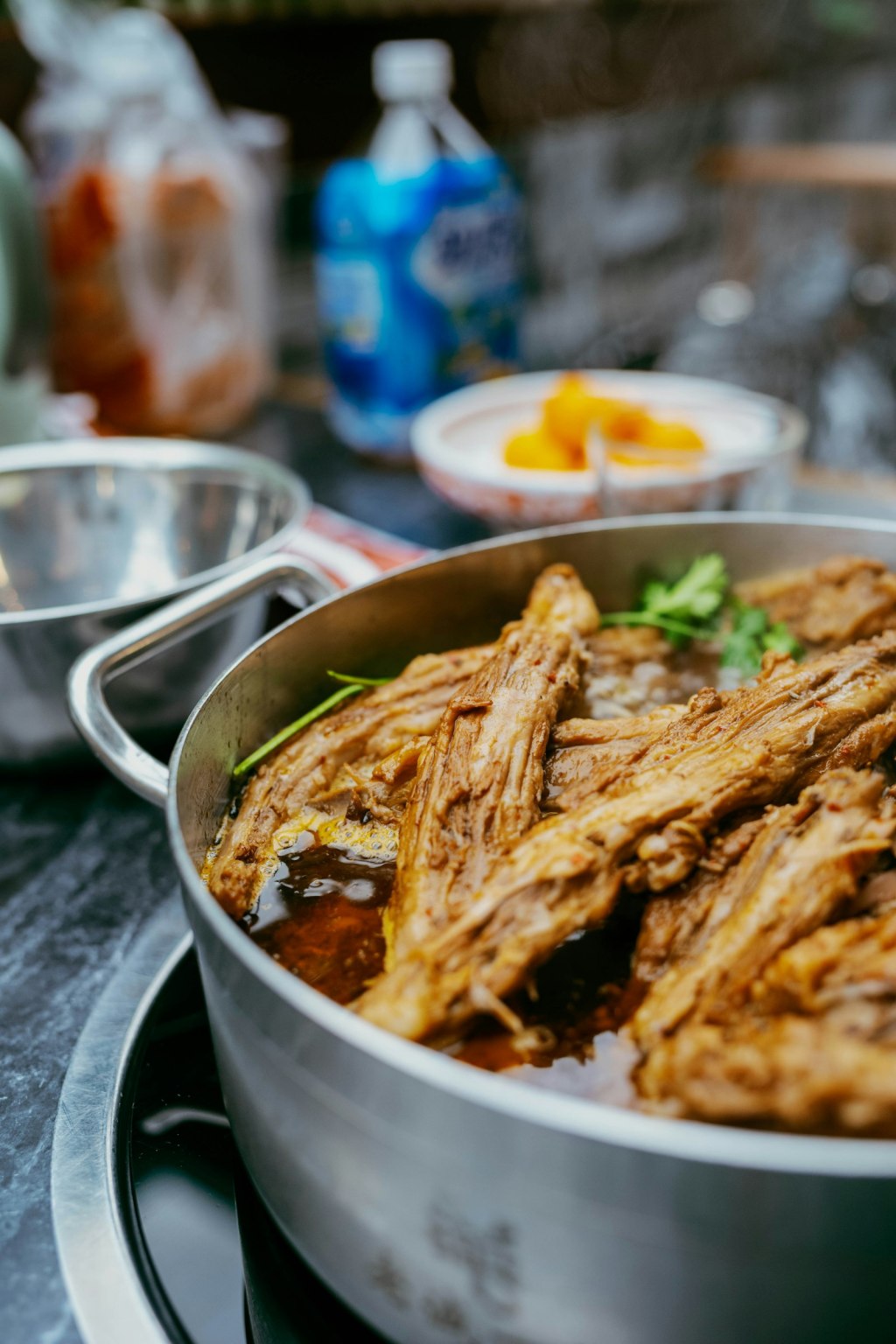
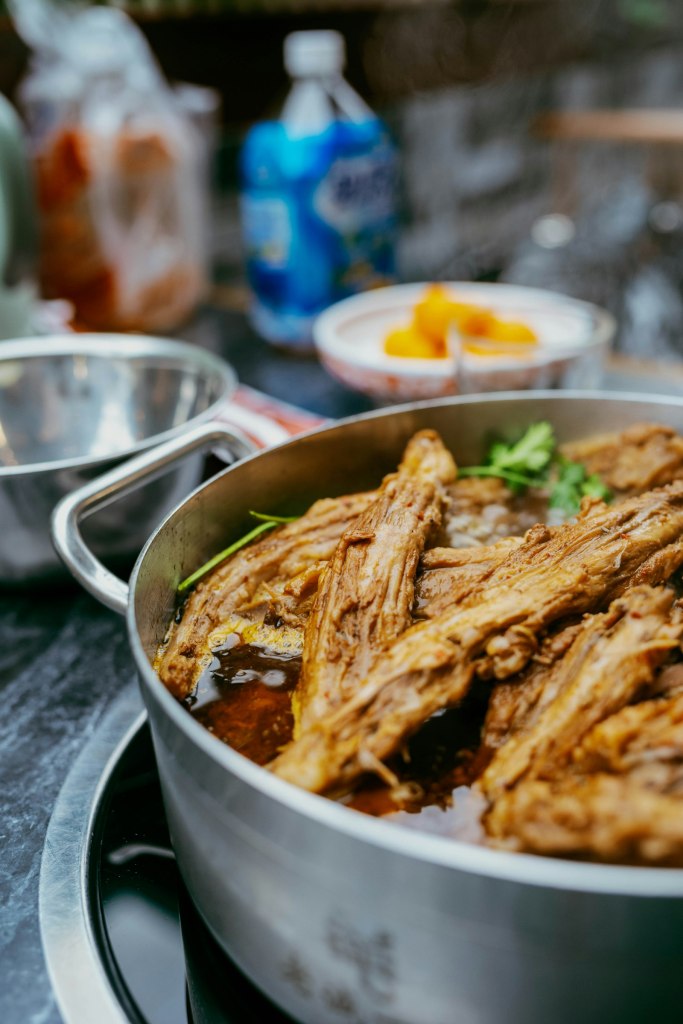
Galbi-jjim sauce (갈비찜 양념) is the sweet and savory soy-based braising sauce used for galbi-jjim, Korean braised beef short ribs. Galbi-jjim is a special-occasion dish served at holidays like Chuseok and Seollal, birthdays and family gatherings. The ribs simmer slowly in soy sauce, Asian pear, garlic and sugar until the meat is fall-apart tender and the sauce reduces into a glossy glaze over chunks of radish, carrot and chestnuts. Unlike galbi sauce for grilling, this sauce is made for long, gentle braising.
Galbi-jjim Sauce at a Glance
Quick facts
- What it is: a sweet soy braising sauce for beef short ribs
- Main ingredients: soy sauce, sugar or syrup, Asian pear, onion, garlic, ginger, rice wine, sesame oil
- Taste: sweet-salty, fruity, garlicky and rich
- Main uses: galbi-jjim, braised pork ribs, braised chicken or tofu
What is Galbi-jjim Sauce Made Of?
The base is Korean soy sauce sweetened with sugar, honey or mulyeot. Grated Asian pear and onion add natural sweetness and help tenderize the meat, while garlic, ginger and matsul (cooking rice wine) reduce any gamey smell. Sesame oil and black pepper finish the sauce.
Types of galbi-jjim sauce
- Classic soy (ganjang) galbi-jjim: sweet and savory, not spicy.
- Spicy galbi-jjim (maeun galbi-jjim): adds gochugaru and gochujang for a red, fiery version.
- Dwaeji galbi-jjim: the same style of sauce used on pork ribs.
- Bottled galbi-jjim sauce: ready-made braising sauce sold at Korean markets.
What Does Galbi-jjim Sauce Taste Like?
Think of a deeper, more mellow teriyaki: salty soy and caramel-like sweetness, a fruity note from pear, plenty of garlic and a rich beefy body after hours of braising. It is comforting and not spicy, which makes it popular with kids and guests new to Korean food.
Popular Korean Dishes That Use Galbi-jjim Sauce
So galbi-jjim
Braised beef short ribs, the classic holiday dish. Recipe below.
Dwaeji galbi-jjim
Braised pork ribs, a more affordable everyday version.
Maeun galbi-jjim
Spicy braised short ribs, popular at Korean restaurants.
Jjimdak
Braised chicken uses a similar soy base; see our jjimdak sauce guide.
Easy Galbi-jjim Recipe (Serves 4)
Ingredients
- 3 lb (1.4 kg) English-cut beef short ribs
- 1 cup Korean radish or daikon, cut into large chunks
- 1 large carrot, cut into large chunks
- 8 peeled chestnuts (optional)
- 4 dried shiitake mushrooms, soaked (optional)
- 4 dried jujubes (optional)
- 3 cups water
- 1 green onion, sliced, and pine nuts for garnish
Galbi-jjim sauce
- 1/2 cup soy sauce
- 1/4 cup sugar (white or brown)
- 2 tbsp honey or Korean syrup
- 3 tbsp rice wine (matsul or mirin)
- 1/2 Asian pear, grated
- 1/2 onion, grated
- 8 cloves garlic, minced
- 1 tsp grated ginger
- 2 tbsp sesame oil
- 1/2 tsp black pepper
Instructions
- Soak the short ribs in cold water for about 1 hour to draw out blood, changing the water once. Trim off large pieces of fat.
- Bring a large pot of water to a boil, add the ribs and boil for 5–7 minutes. Drain, then rinse the ribs and the pot to remove scum.
- Mix all the sauce ingredients in a bowl.
- Return the ribs to the clean pot with the sauce and 3 cups water. Bring to a boil, then cover and simmer on low for about 1 hour.
- Add the radish, carrot, chestnuts, mushrooms and jujubes. Simmer, partly covered, for 30–40 minutes more, until the meat is very tender and the vegetables are soft.
- Uncover and simmer for a few minutes, spooning the sauce over the ribs, until it is glossy and slightly thickened. Skim excess fat from the surface.
- Garnish with green onion and pine nuts and serve with rice.
Tip: For a less fatty sauce, braise the ribs a day ahead and chill them overnight. The fat hardens on top and lifts off easily before reheating.
Where to Buy Galbi-jjim Sauce
United States
As an Amazon Associate, I earn from qualifying purchases.
Amazon
Search Korean galbi-jjim sauce on Amazon
H-Mart
Search galbi sauce on H-Mart
Canada
Search Korean galbi sauce on Amazon.ca
Europe
Search Korean galbi sauce on Amazon.co.uk
How to Store Galbi-jjim Sauce
Homemade sauce made with fresh pear, onion and garlic keeps in a sealed jar in the refrigerator for about 5–7 days, or frozen for up to 3 months. Bottled sauce should be refrigerated after opening and used by the label date. Cooked galbi-jjim keeps in the fridge for 3–4 days and reheats well; it can be frozen for up to 2 months.
Galbi-jjim Sauce FAQ
What is the difference between galbi and galbi-jjim?
Galbi is marinated short ribs grilled over high heat; galbi-jjim is short ribs braised slowly in a similar soy sauce until tender, with vegetables in the pot.
Can I make galbi-jjim in a pressure cooker?
Yes. After parboiling, cook the ribs with the sauce and less water (about 1 1/2 cups) under high pressure for about 30–35 minutes, then add the vegetables and simmer until soft.
What can I use instead of Asian pear?
A grated sweet apple or a little extra onion works. Kiwi also tenderizes meat but use only a small amount, as too much can make the texture mushy.
Conclusion
Galbi-jjim sauce is Korea’s feast-day braising sauce: soy, pear, garlic and a little sweetness that slowly turns short ribs meltingly tender. It takes time, but very little effort. If you love the flavor, also try our bulgogi marinade for a quicker weeknight beef dish.


Leave a Reply