Introduction
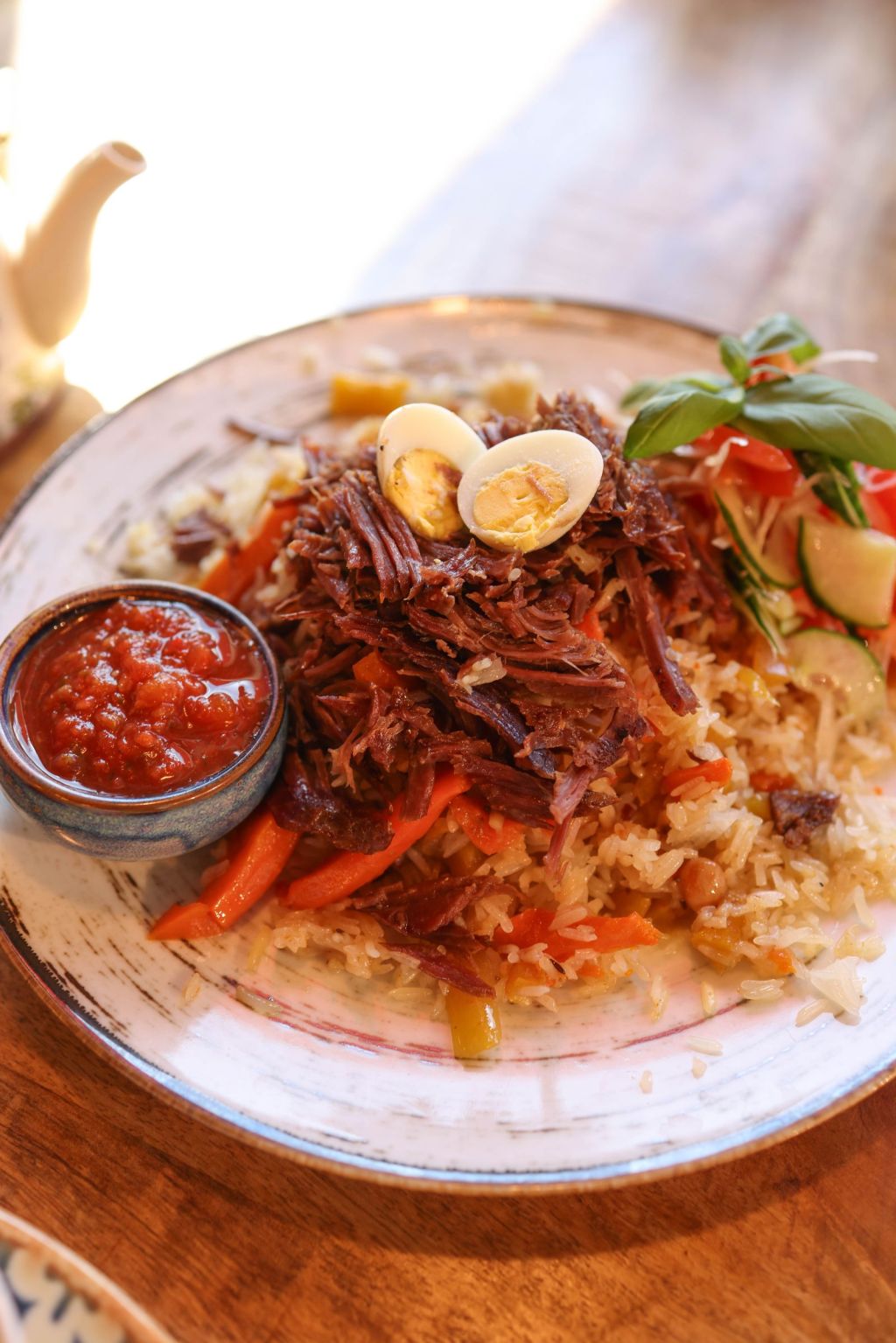
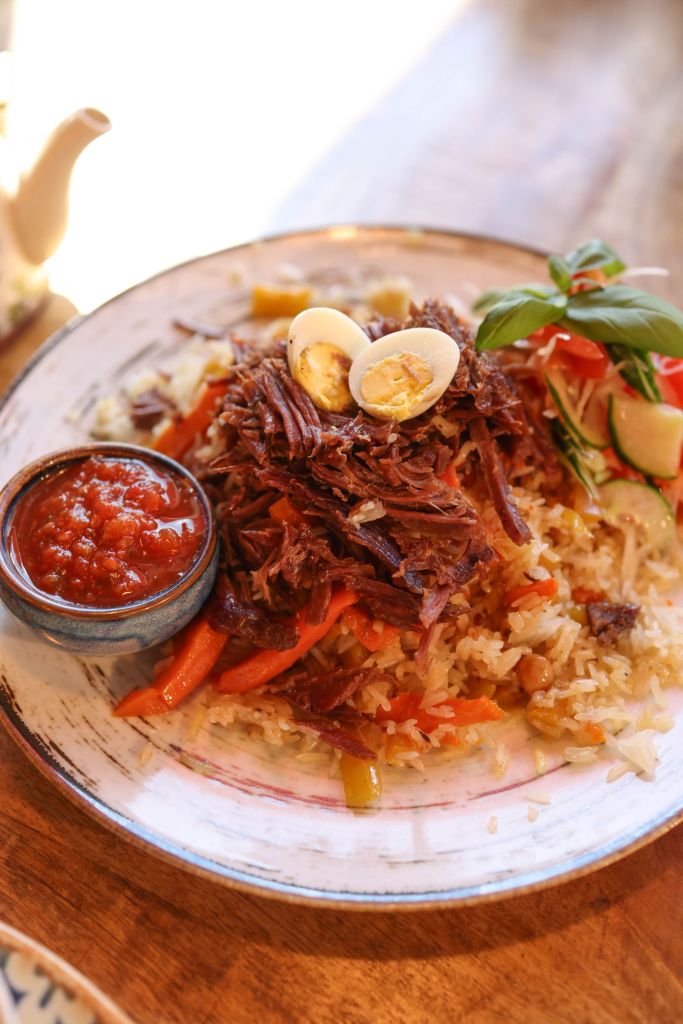
Jangjorim sauce (장조림 양념) is the soy-based braising liquid used to make jangjorim, one of the best-loved Korean side dishes (banchan). Lean beef is simmered in soy sauce, water, a little sugar and aromatics until tender, then torn into shreds and served cold or at room temperature with boiled eggs, quail eggs and shishito peppers. A spoonful of the meat and salty broth over hot rice is classic Korean comfort food, and because it keeps well it is a staple of lunch boxes and weekly meal prep.
Jangjorim Sauce at a Glance
Quick facts
- What it is: a soy sauce braising liquid for beef, eggs and vegetables
- Main ingredients: soy sauce, water or beef broth, sugar or syrup, garlic, green onion, ginger, dried chili
- Taste: salty, savory, lightly sweet and beefy
- Main uses: beef jangjorim, egg jangjorim, pork jangjorim, braised tofu
What is Jangjorim Sauce Made Of?
The word jang means soy sauce and jorim means braising until reduced. The beef is first boiled in water with onion, green onion, garlic and ginger to make a light broth. That broth is then seasoned with Korean soy sauce and a little sugar, rice syrup or rice wine, plus whole garlic cloves and sometimes a dried red chili. The result is a thin, salty-savory liquid, not a thick glaze.
Types of jangjorim
- Soegogi jangjorim: beef (usually eye of round or flank) braised and shredded.
- Gyeran or mechurial jangjorim: chicken eggs or quail eggs braised in the same sauce.
- Dwaeji jangjorim: a pork version using lean pork loin.
- Kkwarigochu jangjorim: with shishito peppers added at the end.
What Does Jangjorim Sauce Taste Like?
It is mainly salty and deeply savory, with only a light sweetness and a rich beefy flavor from the cooking broth. The whole garlic cloves turn soft and mellow. Because it is meant to be eaten with plain rice, it is saltier than a dipping sauce, and a little goes a long way.
Popular Korean Dishes That Use Jangjorim Sauce
Beef jangjorim
Shredded soy-braised beef with eggs. Recipe below.
Quail egg jangjorim
A popular lunch-box banchan made with peeled quail eggs.
Jangjorim butter rice
A trendy rice bowl of hot rice, shredded jangjorim, a pat of butter and a soft egg, similar in spirit to mayak eggs over rice.
Gimbap filling
Shredded jangjorim beef is a tasty filling for gimbap.
Easy Beef Jangjorim Recipe (Serves 4–6 as banchan)
Ingredients
- 1 lb (450 g) beef eye of round or flank steak, cut into 3 chunks
- 5 cups water
- 1/2 onion, 2 green onions (white parts), 1 thin slice ginger
- 6 hard-boiled eggs or 20 quail eggs, peeled
- 12 whole garlic cloves, peeled
- 10 shishito peppers (optional)
Jangjorim sauce
- 2 1/2 cups beef cooking broth (from step 2)
- 1/2 cup soy sauce
- 2 tbsp sugar or rice syrup
- 2 tbsp rice wine
- 1 dried red chili (optional)
- 1/4 tsp black peppercorns
Instructions
- Soak the beef in cold water for 20–30 minutes, then drain.
- Bring 5 cups of water to a boil with the onion, green onion and ginger. Add the beef and simmer, partly covered, for 30–40 minutes, skimming any foam. Strain and keep 2 1/2 cups of the broth.
- Return the beef and broth to the pot with the soy sauce, sugar, rice wine, chili and peppercorns.
- Simmer on medium-low for 20 minutes. Add the eggs and garlic and simmer for another 15–20 minutes, turning the eggs so they color evenly.
- Add the shishito peppers for the last 3 minutes.
- Lift out the beef, let it cool slightly and tear it into thin shreds along the grain.
- Put the beef, eggs, garlic and peppers in a container and pour the sauce over. Serve warm or chilled with rice.
Tip: Taste the sauce before adding the eggs. If it is too salty, add a splash of water; the sauce reduces and gets saltier as it cooks.
Where to Buy Jangjorim Sauce
United States
As an Amazon Associate, I earn from qualifying purchases.
Amazon
Search Korean jangjorim on Amazon
Search Korean soy sauce on Amazon
H-Mart
Search jangjorim on H-Mart
Canada
Search Korean soy sauce on Amazon.ca
Europe
Search Korean soy sauce on Amazon.co.uk
How to Store Jangjorim
Keep jangjorim in an airtight container with the meat submerged in its sauce. It keeps in the refrigerator for about 5–7 days. The fat may harden on top when chilled; lift it off or warm the jangjorim briefly before eating. Canned jangjorim can be stored in the pantry until opened, then refrigerated.
Jangjorim Sauce FAQ
What cut of beef is best for jangjorim?
Lean cuts that shred well, such as eye of round, bottom round or flank steak. Fatty cuts become greasy when chilled.
Is jangjorim eaten hot or cold?
Usually cold or at room temperature as banchan, but it is also delicious warmed over fresh rice.
Why is my jangjorim beef tough?
It was not simmered long enough. Cook it in plain broth until tender before adding the soy sauce, because salt firms up the meat.
Conclusion
Jangjorim sauce is one of the simplest Korean sauces, just soy sauce, broth and aromatics, yet it creates a banchan that lasts all week. Make a batch on the weekend and enjoy it with rice, eggs and kimchi. For a sweeter all-purpose soy sauce, try our mat-ganjang guide.


Leave a Reply