Introduction
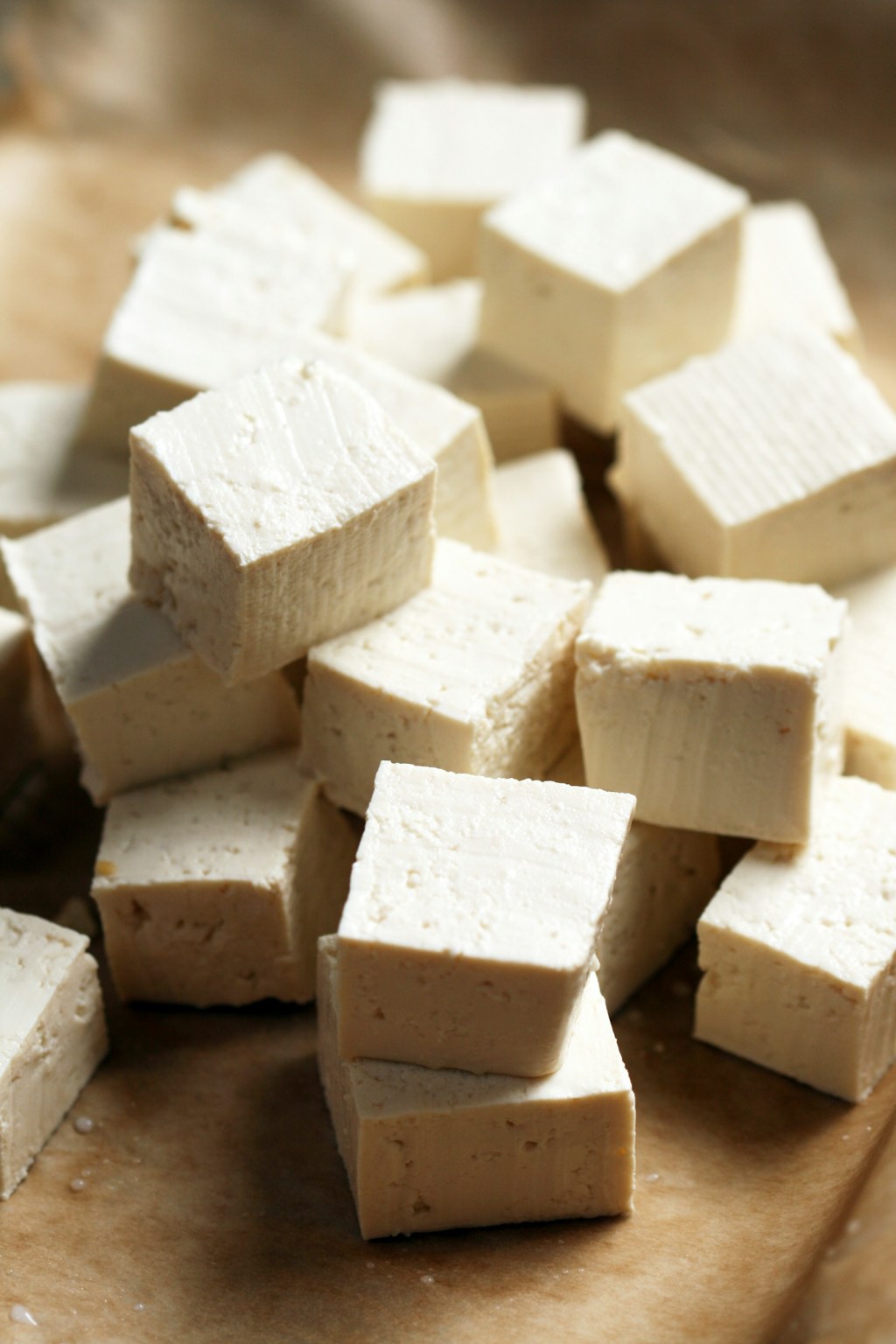
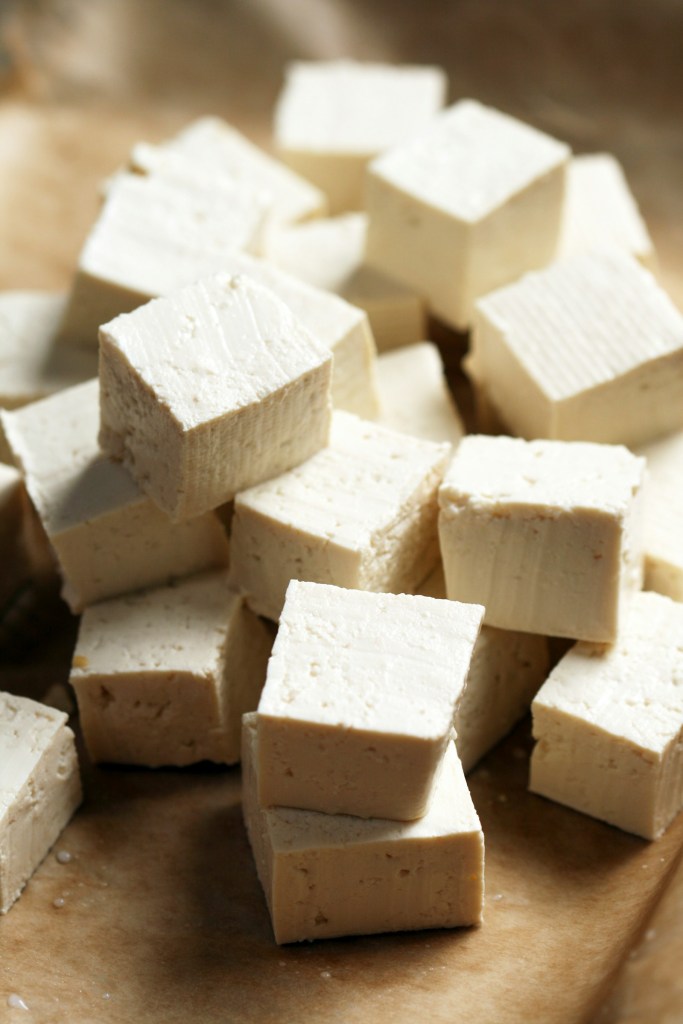
Dubu (두부) is the Korean word for tofu, the soft, protein-rich curd made from soybeans. It is one of the most common groceries in a Korean kitchen: cubed into doenjang jjigae, spooned silky into sundubu jjigae, braised, stir-fried with kimchi or simply pan-fried until golden. Korean tofu is sold in a few clear styles, and knowing which one to buy makes every recipe easier.
Dubu at a Glance
Quick facts
- What it is: soybean curd pressed into blocks or sold soft in tubes
- Main ingredients: soybeans, water and a coagulant
- Taste: mild, slightly nutty and creamy; it absorbs sauces well
- Main uses: stews, pan-fried side dishes, braises, stir-fries, dumpling filling
What is Dubu Made Of?
Dubu is made by soaking and grinding soybeans with water, cooking the mixture and straining it to get soy milk. A coagulant is added to set the soy milk into curds. Traditionally Koreans used gansu, the mineral-rich brine from sea salt (similar to nigari), while modern factories often use magnesium chloride or calcium sulfate. The curds are then pressed into blocks for firm tofu, or left soft for sundubu.
Types of Korean dubu
- Firm tofu (buchimyong / for pan-frying): dense blocks that hold their shape, best for frying and braising.
- Soft tofu (jjigaeyong / for stew): softer blocks for jjigae and soups.
- Sundubu: very soft, unpressed tofu sold in tubes for soft tofu stew.
- Yeon-dubu (silken): smooth, custard-like tofu often eaten cold with soy sauce.
What Does Dubu Taste Like?
Fresh dubu tastes mild and gently nutty with a clean soybean flavor. Firm tofu is slightly chewy, while soft and silken tofu are creamy and delicate. On its own it is subtle, which is why Koreans pair it with bold partners like kimchi, chili sauces and seasoned soy sauce.
Popular Korean Dishes That Use Dubu
Dubu buchim
Pan-fried tofu slices with a seasoned soy dipping sauce. Recipe below.
Dubu kimchi
Warm blanched tofu served with stir-fried kimchi and pork, a classic drinking snack.
Sundubu jjigae
Bubbling spicy stew of extra-soft tofu, seafood or pork and egg.
Dubu jorim
Tofu pan-fried and then braised in a spicy soy sauce.
Easy Dubu Buchim Recipe (Serves 2–3)
Ingredients
- 1 block (14–16 oz / 400–450 g) firm tofu
- 1/2 tsp salt
- 2 tbsp cooking oil
- 2 tbsp potato starch or flour (optional, for extra crispness)
Seasoned soy dipping sauce (yangnyeom-jang)
- 2 tbsp soy sauce
- 1 tbsp water
- 1 tsp gochugaru
- 1 tsp sugar
- 1 tsp sesame oil
- 1 tsp toasted sesame seeds
- 1 tbsp chopped green onion
- 1/2 tsp minced garlic
Instructions
- Cut the tofu into 1/2-inch (1.5 cm) slices. Lay them on paper towels, sprinkle with salt and let them sit for 10 minutes. Pat dry on both sides.
- Mix all the dipping sauce ingredients in a small bowl.
- If using, lightly dust the tofu slices with potato starch or flour and shake off the excess.
- Heat the oil in a nonstick pan over medium heat. Add the tofu in a single layer and cook 3–4 minutes per side until golden brown and crisp.
- Arrange on a plate and spoon the sauce over the top, or serve it on the side for dipping.
Tip: Do not move the tofu for the first few minutes. Letting it sit undisturbed builds a golden crust and stops it from sticking or breaking.
Where to Buy Dubu
United States
As an Amazon Associate, I earn from qualifying purchases.
Amazon
Search Korean tofu on Amazon
Search tofu presses on Amazon
H-Mart
Search tofu on H-Mart
Canada
Search Korean tofu on Amazon.ca
Europe
Search Korean tofu on Amazon.co.uk
How to Store Dubu
Keep unopened tofu in the refrigerator and use it by the date on the package. After opening, put leftover tofu in a container, cover it with fresh cold water and refrigerate; change the water daily and use within 2–3 days. Firm tofu can be frozen, which gives it a chewier, spongier texture that soaks up stew broth.
Dubu FAQ
Is Korean tofu different from Chinese or Japanese tofu?
The basic method is the same. The main difference is in how it is labeled: Korean packages are usually marked for frying, for stew, or as sundubu.
Which tofu is best for pan-frying?
Firm tofu, often labeled for pan-frying. It holds together and browns well.
Can you eat dubu without cooking?
Packaged tofu is already cooked during production, so it can be eaten cold, for example silken tofu with soy sauce. Keep it refrigerated and fresh.
Conclusion
Dubu is an everyday Korean staple that goes from silky stew to crispy side dish depending on the type you buy. Pair your pan-fried tofu with our mat-ganjang, or put soft tofu to work in sundubu jjigae.


Leave a Reply