Introduction
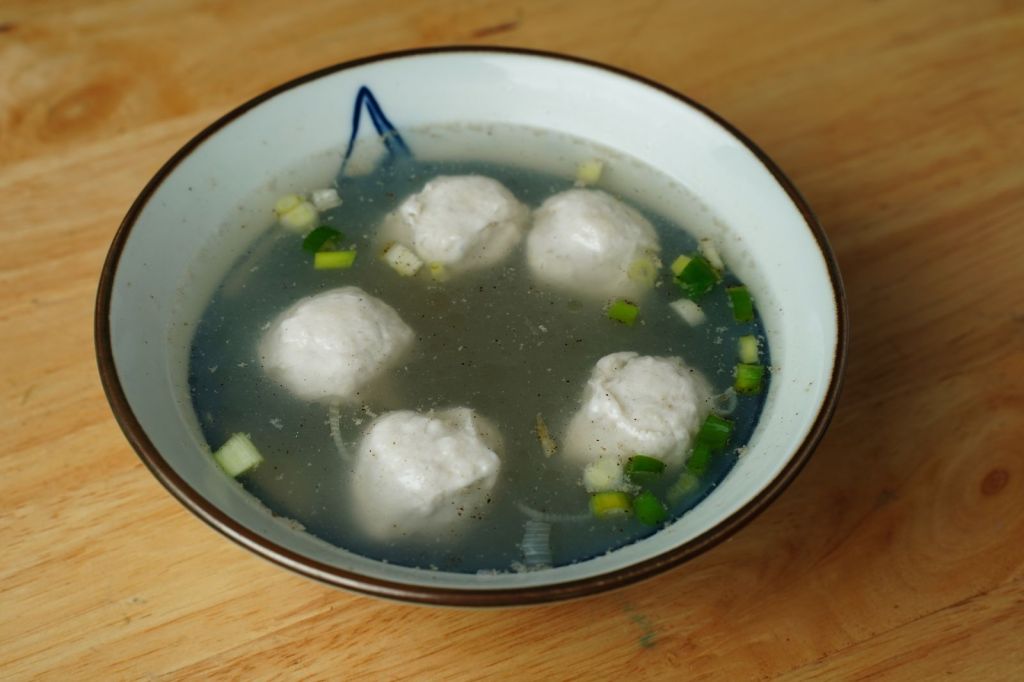
Sujebi (수제비) is a Korean soup of hand-torn wheat dough. Instead of cutting noodles, you stretch a soft dough thin and tear off small pieces straight into a simmering pot of anchovy-kelp broth. The result is silky, chewy dough flakes in a light, savory soup with potato and zucchini. Sujebi is humble comfort food – many Koreans crave it on rainy days, often with a plate of savory pancakes on the side. It is a close relative of kalguksu, which uses the same kind of dough cut into noodles.
Sujebi at a Glance
What it is
- Korean soup with hand-torn pieces of wheat dough
Main ingredients
- Wheat flour dough, anchovy-kelp broth, potato, zucchini, onion, garlic, soup soy sauce
Taste
- Light, savory and comforting; chewy, slippery dough
Main uses
- A one-bowl meal; variations with kimchi, seafood or perilla seeds
What is Sujebi Made Of?
The dough is just flour, water, salt and a little oil, kneaded and rested so it stretches thin. You can also buy frozen or dried sujebi dough pieces at Korean markets. Popular styles:
- Gamja sujebi: with potato and zucchini in clear anchovy broth – the recipe below.
- Kimchi sujebi: spicy, red soup made with aged kimchi and gochugaru.
- Haemul sujebi: with clams, shrimp or mussels.
- Deulkkae sujebi: creamy, nutty soup thickened with perilla seed powder.
- Jjuk-jjuk sujebi: a more rustic style where dough is torn quickly into thicker, uneven pieces.
What Does Sujebi Taste Like?
The broth is clean, lightly salty and savory from anchovy and kelp, with sweetness from onion and zucchini. The dough pieces are the star: thin edges are silky and slippery, thicker centers are pleasantly chewy, like a cross between dumpling skin and fresh pasta. The potato slightly thickens the soup.
Popular Korean Dishes Related to Sujebi
Gamja Sujebi
The everyday classic – the recipe below.
Kimchi Sujebi
A spicy, tangy version popular in cold weather.
Kal-sujebi
Knife-cut noodles and torn dough in the same bowl, served at many kalguksu shops.
Sujebi with Pajeon
The classic rainy-day pairing: hot dough soup with crispy green onion pancake.
Easy Gamja Sujebi Recipe (Serves 2)
Dough
- 1 1/2 cups (190 g) all-purpose flour
- About 1/2 cup + 1 tbsp (135 ml) water
- 1/2 tsp salt and 1 tsp neutral oil
Soup
- 6 cups anchovy-kelp broth
- 1 medium potato, sliced 1/4 inch thick
- 1/2 zucchini, halved and sliced; 1/2 onion, sliced
- 1 tbsp minced garlic
- 1 tbsp soup soy sauce (guk-ganjang) and salt to taste
- 1 green onion, sliced; black pepper; 1 egg, beaten (optional)
Instructions
- Mix the flour and salt, add the water and oil, and knead 5 minutes into a smooth, soft dough (like an earlobe). Wrap and rest in the fridge for at least 30 minutes.
- Bring the broth to a boil. Add the potato and garlic and cook 5 minutes.
- Wet your fingers, take a piece of dough, stretch it very thin and tear off bite-size pieces into the boiling soup. Work quickly so they cook evenly.
- Add the zucchini and onion and cook 3–4 minutes until the dough pieces float and turn slightly translucent.
- Season with soup soy sauce and salt. Drizzle in the beaten egg if using, add the green onion and pepper, and serve hot.
Tip: The thinner you stretch the dough, the silkier the sujebi. Keep a small bowl of water next to you and wet your fingers often so the dough does not stick.
Where to Buy Sujebi
United States
As an Amazon Associate, I earn from qualifying purchases.
Amazon
Search Korean sujebi on Amazon
Search Korean anchovy broth on Amazon
H-Mart
Search sujebi on H-Mart
Canada
Search Korean sujebi on Amazon.ca
Europe
Search Korean sujebi on Amazon.co.uk
How to Store Sujebi
Sujebi is best eaten right away – the dough keeps absorbing broth and turns soft. Store leftover soup in the fridge for up to 2 days and add a splash of water when reheating. Raw dough keeps, well wrapped, in the fridge for 1–2 days or in the freezer for 1 month. Keep store-bought frozen sujebi frozen until use.
Sujebi FAQ
What is the difference between sujebi and kalguksu?
Both use similar wheat dough and broth. Kalguksu dough is rolled and cut into noodles; sujebi dough is stretched and torn into flat pieces.
Why do Koreans eat sujebi on rainy days?
It is warm, filling and quick to make from flour and pantry staples, so it became a classic cozy meal for gloomy weather, often paired with pancakes.
Can I make sujebi gluten-free?
Traditional sujebi relies on wheat gluten for its chew. Some cooks experiment with rice flour blends, but the texture will be softer.
Conclusion
Sujebi shows how much comfort a bag of flour and a pot of anchovy broth can deliver. Tear the dough thin, add potato and zucchini, and you have a cozy Korean meal in about 20 minutes. If you love it, try our kalguksu recipe next.


Leave a Reply