Introduction
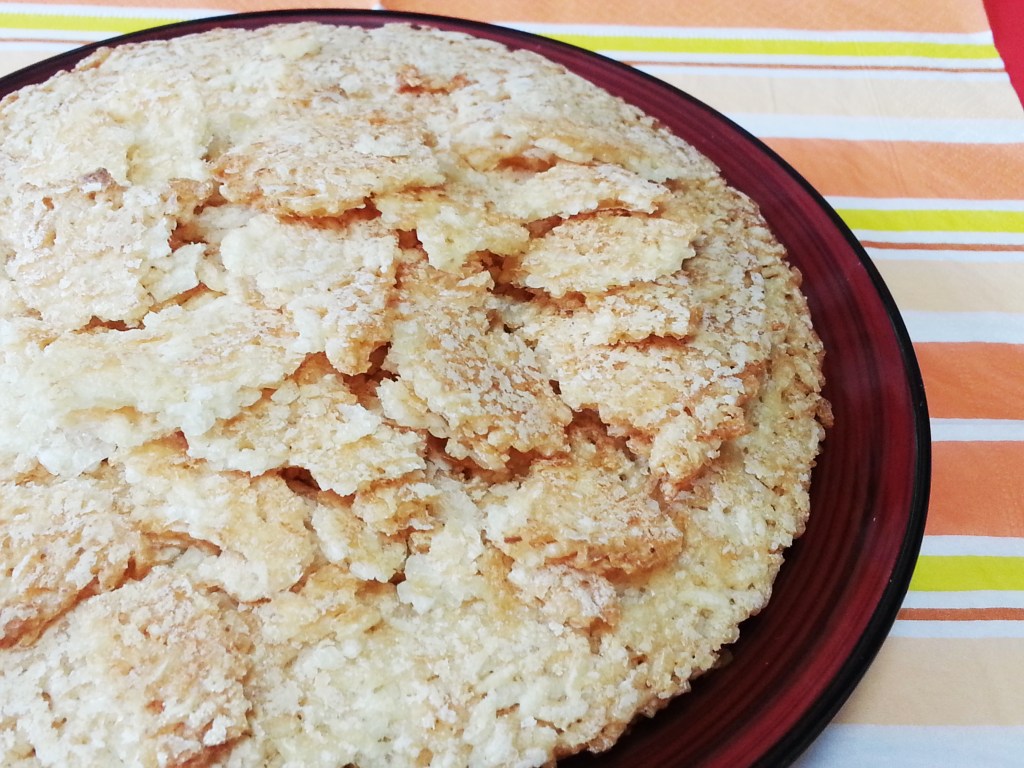
Nurungji (누룽지) is the thin, golden crust of rice that forms on the bottom of the pot when rice is cooked. In the days of the traditional iron cauldron (gamasot), every household had it, and it became a beloved snack and comfort food: crunchy like a rice cracker when eaten dry, soft and nutty when simmered in water. Today you can buy ready-made nurungji in sheets, but it is also easy to make at home from leftover rice.
Nurungji at a Glance
What it is
- Crispy, toasted rice crust from the bottom of the pot
Main ingredients
- Cooked white rice, sometimes brown rice or mixed grains
Taste
- Toasty, nutty and lightly sweet; crunchy dry, soft when boiled
Main uses
- Snack, sungnyung (scorched rice soup or tea), porridge, sizzling rice dishes
What is Nurungji Made Of?
Nurungji is nothing more than rice that has been pressed against a hot surface until the starches toast and turn golden. Different grains give different flavors – brown rice and japgok multigrain rice make a deeper, nuttier crust. Types you will see:
- Homemade nurungji: scraped from the pot or pan-toasted from leftover rice.
- Packaged sheets: dried rounds or squares sold in bags, ready to snack on or boil.
- Snack nurungji: thin, lightly sweetened crisps eaten like crackers.
- Instant cup nurungji: just add hot water for a quick soup.
What Does Nurungji Taste Like?
Dry nurungji tastes like a toasted rice cracker with no seasoning: crunchy, nutty and faintly sweet. When boiled, it softens into tender grains in a cloudy, mellow broth that tastes a little like roasted grain tea – similar to boricha, but with more body. It is gentle on the stomach, which is why many Koreans turn to it when they feel unwell.
Popular Korean Dishes That Use Nurungji
Sungnyung
Hot water poured into the scorched pot and simmered – traditionally served after a meal. Recipe below.
Nurungji-bap and Porridge
A thicker version simmered until soft, eaten with kimchi and salty side dishes.
Nurungji Baeksuk
Whole chicken simmered with nurungji, giving a thick, nutty chicken porridge.
Nurungji-tang
A Korean-Chinese restaurant dish where crispy rice is topped with a hot seafood and vegetable gravy so it sizzles at the table.
Easy Sungnyung Scorched Rice Soup Recipe (Serves 2)
Ingredients
- 2 cups cooked rice (day-old is fine) or 3 oz (80 g) store-bought nurungji
- 3–4 cups water
- Pinch of salt (optional)
- To serve: kimchi, seasoned seaweed, myeongnan-jeot or other salty side dishes
Instructions
- Make the nurungji (skip if using store-bought): Spread the rice thinly and evenly in a nonstick skillet, pressing it flat with a wet spatula.
- Cook over medium-low heat with no oil for 15–20 minutes, until the bottom is golden and the sheet releases easily. Flip and toast the other side for 5–10 minutes until dry and crisp.
- Break the nurungji into pieces and put it in a pot with the water. Bring to a boil.
- Simmer over low heat for 10–15 minutes, stirring occasionally, until the rice is soft and the liquid turns milky. Add more water for a thinner soup or cook longer for porridge.
- Season with a pinch of salt if you like, and serve hot with salty side dishes.
Tip: Make a big batch of nurungji when you have leftover rice, cool the sheets completely and freeze them. You can drop the frozen pieces straight into boiling water for a 15-minute breakfast.
Where to Buy Nurungji
United States
As an Amazon Associate, I earn from qualifying purchases.
Amazon
Search nurungji on Amazon
Search Korean scorched rice on Amazon
H-Mart
Search nurungji on H-Mart
Canada
Europe
Search nurungji on Amazon.co.uk
At Korean grocery stores, packaged nurungji is usually shelved near rice, grains or snacks.
How to Store Nurungji
Keep fully dried nurungji in an airtight container or zip bag at room temperature for 1–2 weeks, away from moisture so it stays crisp. For longer storage, freeze it for up to 3 months. Store-bought packs should be resealed after opening and used by the date on the package. Refrigerate leftover sungnyung and eat within 1–2 days.
Nurungji FAQ
Is nurungji burnt rice?
No. Good nurungji is toasted to a light golden brown, not blackened. Burnt, bitter rice should be discarded.
What is sungnyung?
Sungnyung is the drink or thin soup made by simmering nurungji in water, traditionally served at the end of a meal.
Can you eat nurungji as a snack?
Yes. Thin, crispy nurungji is eaten dry like a cracker, and some snack versions are lightly sweetened.
Can I make nurungji in a rice cooker?
Some Korean rice cookers have a nurungji setting, but a nonstick skillet is the easiest and most reliable home method.
Conclusion
Nurungji turns leftover rice into a crunchy snack and a soothing bowl of sungnyung. Keep a bag in the pantry or freezer for quick breakfasts and easy comfort food. For more wholesome Korean grains, read our japgok multigrain rice guide.


Leave a Reply