Introduction
Japgok (잡곡) means “mixed grains,” and japgok-bap is rice cooked with them. Many Korean households rarely eat plain white rice; instead they stir a scoop of multigrain mix into the rice before cooking, giving a purple-tinted, chewy and nutty bowl. Korean markets sell ready-made bags labeled 5-grain (ogok), 10-grain or 16-grain mix, and on the first full moon of the lunar new year (Jeongwol Daeboreum) families eat ogok-bap, five-grain rice, for good luck.
Japgok at a Glance
Quick facts
- What it is: a mix of whole grains and beans cooked together with rice
- Main ingredients: brown rice, sweet (glutinous) rice, black rice, barley, millet, sorghum, black beans or red beans
- Taste: nutty, mildly sweet, chewier and heartier than white rice
- Main uses: everyday rice, ogok-bap, bibimbap, rice porridge, lunch boxes
What is Japgok Made Of?
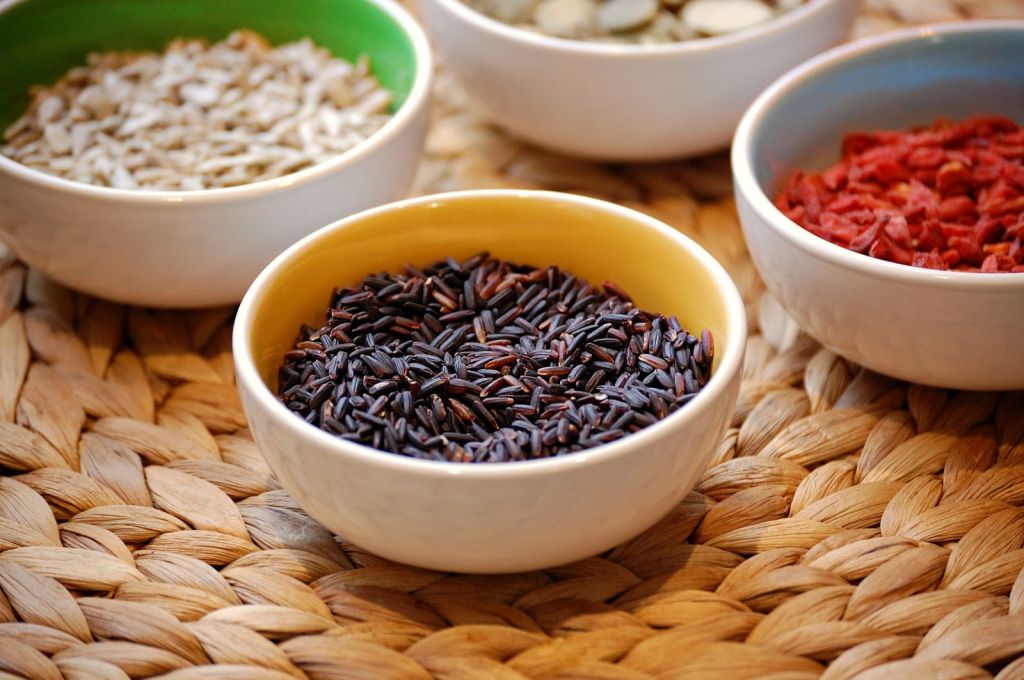
Every brand and family has its own blend. Common grains are brown rice (hyeonmi), sweet rice (chapssal) for stickiness, black rice (heukmi) for color, pressed or pearl barley (bori), foxtail millet (jo), proso millet (gijang) and sorghum (susu). Beans such as black soybeans (seoritae), red adzuki beans and kidney-like beans are often added for protein and texture.
Types of japgok
- Ogok (5-grain): the traditional blend, often sweet rice, millet, sorghum, red beans and black beans.
- 10-grain and 16-grain mixes: store-bought blends with many grains and beans.
- Heukmi (black rice): often sold on its own to color rice purple.
- Quick-cook or sprouted mixes: pre-processed grains that do not need long soaking.
What Does Japgok Taste Like?
Japgok-bap is nutty and slightly sweet, with a mix of textures: sticky sweet rice, chewy barley, tiny popping millet and soft, creamy beans. Black rice tints everything a deep purple and adds a gentle, almost floral aroma. It pairs well with every Korean side dish, from kimchi to soups.
Popular Korean Dishes That Use Japgok
Japgok-bap
Everyday multigrain rice. Recipe below.
Ogok-bap
Five-grain rice eaten with dried vegetable namul on Jeongwol Daeboreum.
Bibimbap
Multigrain rice makes a heartier base for bibimbap with yakgochujang.
Misutgaru
Roasted and ground mixed grains become the drink powder misutgaru.
Easy Japgok-bap Recipe (Serves 4)
Ingredients
- 1 1/2 cups short-grain white rice
- 1/2 cup japgok multigrain mix (or a mix of brown rice, sweet rice, black rice and barley)
- 2 tbsp black soybeans (optional)
- Water (see step 3)
Instructions
- Rinse the japgok and beans 2–3 times and soak them in water for at least 2 hours, or overnight in the refrigerator for beans. Hard grains like brown rice and barley need this soak to cook evenly.
- Rinse the white rice until the water runs mostly clear and soak it for 20–30 minutes. Drain everything.
- Combine in a rice cooker or heavy pot. Add water to the cooker’s line for 2 cups of rice plus about 2–3 extra tablespoons, or about 2 1/4 cups water for the stovetop.
- Rice cooker: use the multigrain or regular setting. Stovetop: bring to a boil, cover, reduce to the lowest heat and cook 20 minutes, then turn off and rest, covered, 10 minutes.
- Fluff gently from the bottom so the purple color spreads evenly, and serve with soup and banchan.
Tip: Start with about 1 part japgok to 3 parts white rice, then increase the grains as your family gets used to the chewier texture.
Where to Buy Japgok
United States
As an Amazon Associate, I earn from qualifying purchases.
Amazon
Search Korean multigrain rice mix on Amazon
Search black sweet rice on Amazon
H-Mart
Search multigrain on H-Mart
Canada
Search Korean multigrain rice on Amazon.ca
Europe
Search Korean multigrain rice on Amazon.co.uk
How to Store Japgok
Whole grains contain natural oils that can go stale, so store japgok in an airtight container in a cool, dry place and use it within a few months, or keep it in the refrigerator in warm weather. Watch for pantry moths. Cooked japgok-bap can be refrigerated within 1 hour of cooking for up to 2 days, or portioned and frozen for up to 1 month and reheated until steaming.
Japgok FAQ
Why is Korean multigrain rice purple?
The color comes from black rice (heukmi), which releases purple pigment when cooked. A small amount colors the whole pot.
Do I have to soak japgok?
Yes for most mixes. Soaking for at least 2 hours helps the harder grains and beans cook at the same pace as white rice. Quick-cook mixes may need less; follow the package.
Is japgok gluten-free?
Not always. Many mixes contain barley, which has gluten. Check the label or make your own blend without barley.
What is the difference between japgok and ogok?
Japgok means any mix of grains, while ogok specifically means five grains, traditionally eaten on the first full moon of the lunar year.
Conclusion
Japgok is an easy way to make everyday Korean rice heartier and more colorful. Add a scoop to your next pot, and serve it with a warm bowl of doenjang jjigae. For the sticky sweet rice found in most blends, see our chapssal-garu guide, and for a roasted grain drink, try boricha.


Leave a Reply