Introduction
Miwon (미원) is the best-known brand of MSG (monosodium glutamate) in Korea. It was launched in 1956, and it became so common in Korean kitchens that “miwon” turned into an everyday word for MSG itself, much like people say “Kleenex” for tissues. The name roughly means “origin of taste.” Many Korean home cooks keep a small bag next to the salt and add a tiny pinch to soups, stews, kimchi and seasoned vegetables to make them taste rounder and more savory.
Miwon at a Glance
What it is
- A Korean brand of MSG, a pure umami seasoning; also a common nickname for MSG in Korea
Main ingredients
- Monosodium glutamate made by fermenting plant-based starch or sugar (such as sugarcane)
Taste
- Savory umami that makes food taste fuller; slightly salty on its own
Main uses
- Soups and stews, namul, kimchi seasoning, stir-fried side dishes, dipping salt
What is Miwon Made Of?
Miwon is monosodium glutamate: the sodium salt of glutamic acid, the same amino acid that gives tomatoes, cheese, soy sauce and kelp their savory flavor. Today it is produced by fermenting plant-based ingredients such as sugarcane molasses or starch, much like making yogurt or soy sauce, then crystallizing the result into small white crystals. It is different from mixed stock powders:
- Miwon (MSG): pure umami crystals with no other flavor.
- Dashida: a beef or anchovy stock powder that contains MSG plus meat or seafood flavor, salt and other seasonings – see our dashida guide.
- Yondu and tuna extract: liquid umami sauces from soybeans or tuna – see yondu.
- Newer Miwon products: some versions blend MSG with other natural seasonings; check the label.
What Does Miwon Taste Like?
On its own, a crystal of miwon tastes mildly salty and brothy. In food you don’t really taste it directly – instead, it makes savory dishes taste deeper and more “complete,” a bit like a long-simmered stock. A little goes a long way: too much can make food taste flat and oddly sweet-savory, so Korean cooks use just a pinch.
Popular Korean Dishes That Use Miwon
Namul and Muchim
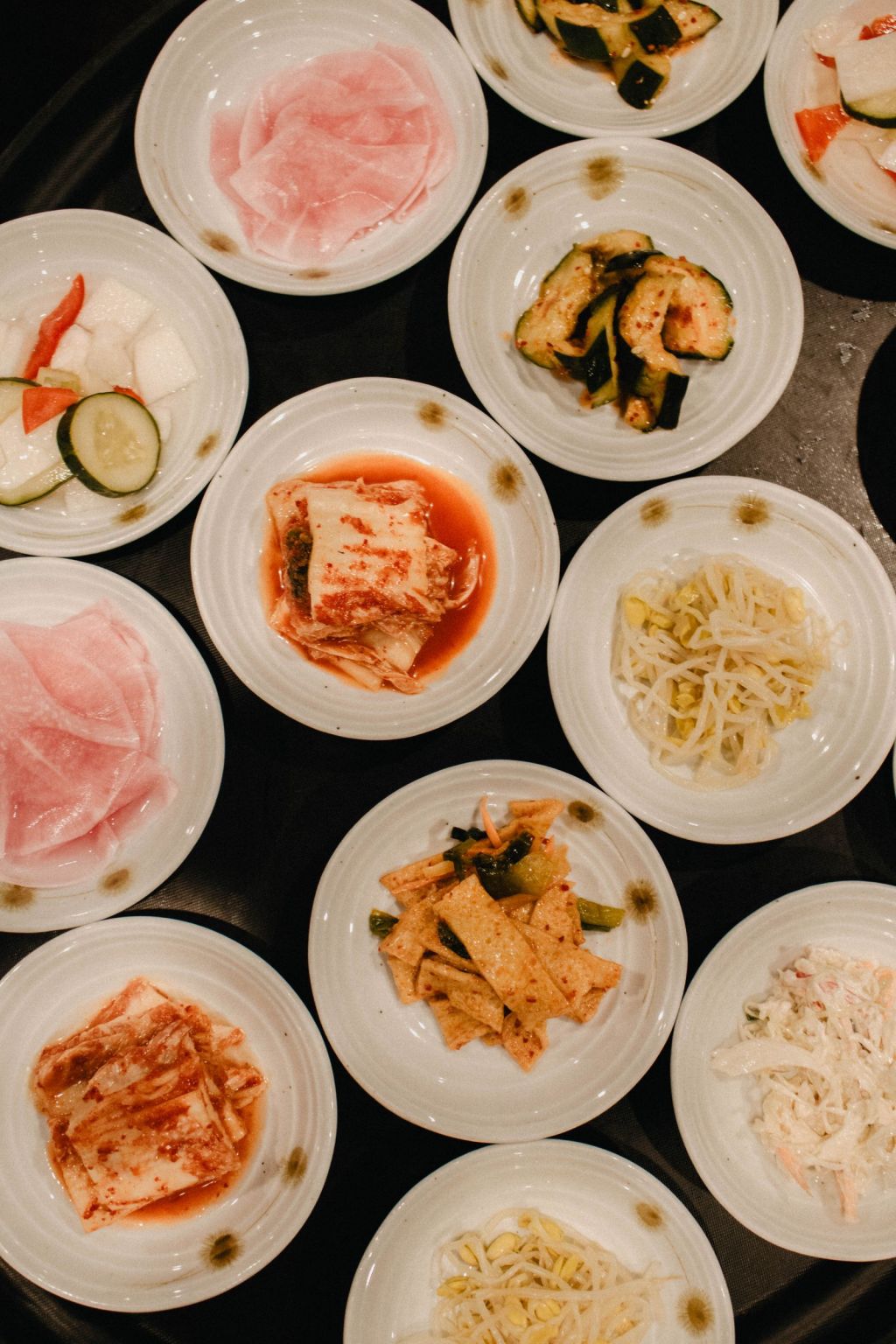
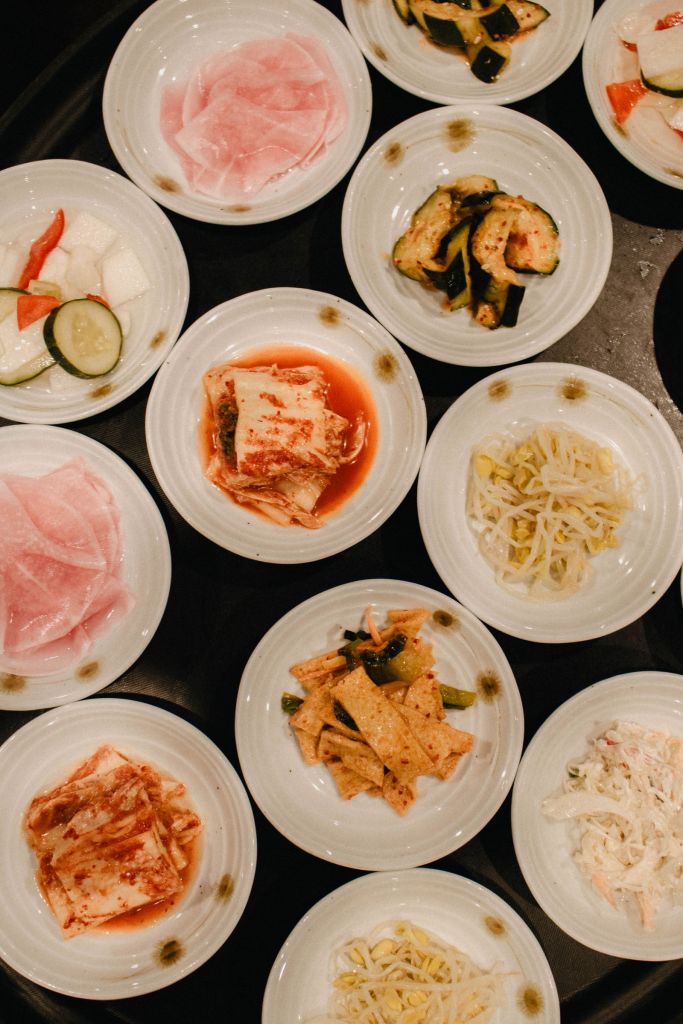
A pinch in seasoned spinach, bean sprouts or cucumber salad brightens simple salt and sesame oil.
Soups and Stews
Kimchi jjigae, doenjang jjigae and quick egg or bean sprout soups get extra depth.
Kimchi Seasoning
Many home kimchi recipes add a small amount to the chili paste.
Gamja-bokkeum
Stir-fried julienned potatoes, a lunch-box classic seasoned with salt and a pinch of miwon.
Easy Gamja-bokkeum Recipe (Serves 3–4 as a side dish)
Ingredients
- 2 medium potatoes (about 14 oz / 400 g), peeled
- 1/2 onion, thinly sliced
- 1/4 carrot, julienned
- 1/2 green bell pepper or 1 green chili, julienned (optional)
- 2 tbsp neutral oil
- 1/2 tsp salt
- 1/8–1/4 tsp miwon (MSG)
- 1 tsp toasted sesame seeds and a few drops of sesame oil
Instructions
- Cut the potatoes into thin matchsticks. Soak them in cold water for 10 minutes to remove surface starch, then drain and pat dry.
- Heat the oil in a wide pan over medium-high heat. Add the potatoes and a pinch of the salt and stir-fry for 3–4 minutes.
- Add the onion and carrot and cook for another 2–3 minutes, until the potatoes are tender but still hold their shape.
- Add the green pepper, the rest of the salt and the miwon. Toss for 30 seconds and taste – adjust with a little more salt if needed.
- Turn off the heat, stir in the sesame oil and sprinkle with toasted sesame seeds. Serve warm or at room temperature.
Tip: Because MSG adds savoriness, you can often use a little less salt. Start with the smaller amount of miwon – you want the potatoes to taste fuller, not “seasoned.”
Where to Buy Miwon
United States
As an Amazon Associate, I earn from qualifying purchases.
Amazon
Search Miwon MSG on Amazon
Search Korean MSG seasoning on Amazon
H-Mart
Search Miwon on H-Mart
Canada
Europe
Search Miwon MSG on Amazon.co.uk
How to Store Miwon
Store miwon in an airtight container in a cool, dry cupboard, away from steam and moisture so it doesn’t clump. Kept dry, it stays good for a very long time; check the best-by date on the bag.
Miwon FAQ
Is miwon the same as MSG?
Yes. Miwon is a brand of MSG, and in Korea the word is commonly used to mean MSG in general.
Is MSG safe to eat?
The U.S. FDA considers MSG “generally recognized as safe” when used in normal amounts. A small number of people report mild sensitivity, so use it sparingly.
How much miwon should I use?
About 1/8–1/4 tsp for a side dish or 1/4–1/2 tsp for a pot of soup that serves 4.
What is the difference between miwon and dashida?
Miwon is pure MSG with no added flavor. Dashida is a stock powder with beef or anchovy flavor that also contains MSG.
Conclusion
Miwon is one of the quiet secrets of Korean home cooking: a pinch of MSG that makes namul, soups and stir-fried side dishes taste fuller with less effort. Use it lightly, start with a simple gamja-bokkeum, and compare it with other Korean umami boosters like dashida and tuna extract sauce.


Leave a Reply