Introduction
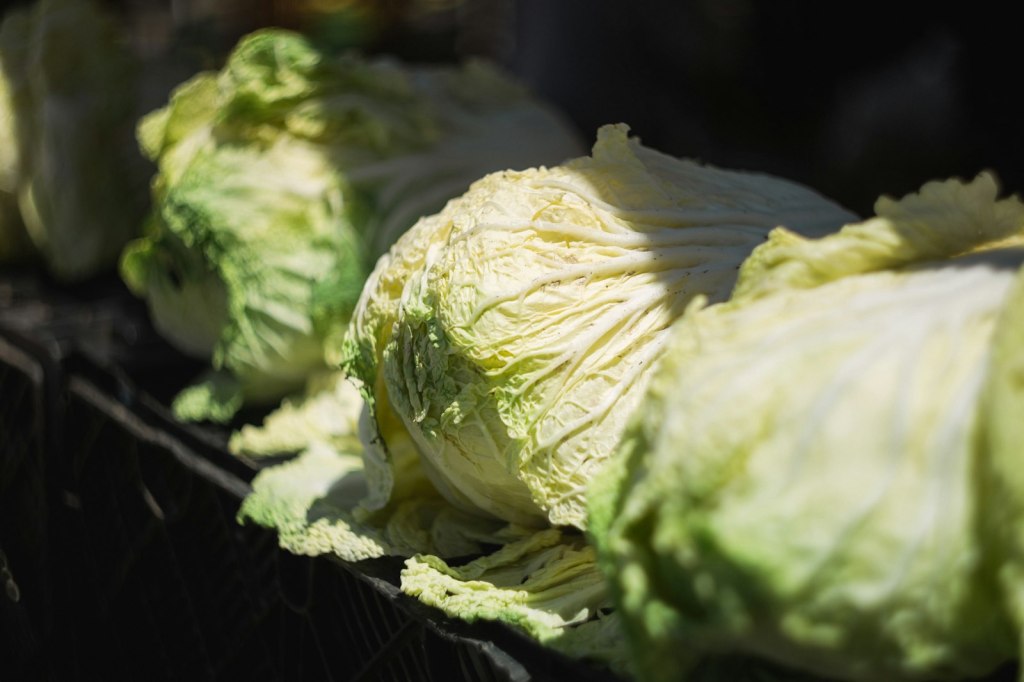
Baek-kimchi (백김치) means “white kimchi”. It is napa cabbage stuffed with radish, pear, chestnuts and jujubes and fermented in a clear, lightly salted brine – with no gochugaru at all. Because it is mild, crisp and refreshing, it is loved by children, older adults and anyone who can’t handle spicy food, and it is a lovely palate cleanser next to rich dishes. If you enjoy watery kimchi like dongchimi, baek-kimchi will feel familiar.
Baek-kimchi at a Glance
What it is
- A non-spicy napa cabbage kimchi fermented in a mild brine
Main ingredients
- Napa cabbage, Korean radish, Korean pear, garlic, ginger, scallion, chestnuts, jujubes, salt, chili threads for garnish
Taste
- Clean, lightly salty, slightly sweet and gently sour, very crisp
Main uses
- Side dish with rice, with grilled meats or bossam, wrapped around boiled pork, cold noodles in its brine
What is Baek-kimchi Made Of?
Napa cabbage is salted until flexible, then stuffed between the leaves with julienned radish, pear, chestnuts and jujubes, plus garlic and ginger. A brine made from water, salt and blended pear and onion is poured over, and the cabbage ferments slowly. Thin red silgochu (chili threads) are added for color, not heat. Common types:
- Classic baek-kimchi: whole or half cabbages with fruit-and-nut stuffing.
- Bossam kimchi style: a luxurious wrapped version from Gaeseong with seafood and nuts.
- Quick (mak) baek-kimchi: bite-size cabbage pieces in brine, ready faster.
- Vegan baek-kimchi: naturally easy to make vegan, since many versions use no fish sauce.
What Does Baek-kimchi Taste Like?
Fresh baek-kimchi tastes clean and lightly salty with a fruity sweetness from the pear. After a few days of fermentation it becomes pleasantly tangy and fizzy, and the brine turns into a cool, refreshing drink-like broth. The cabbage stays crunchy and juicy, with none of the heat of red kimchi.
Popular Korean Dishes That Use Baek-kimchi
Baek-kimchi as Banchan
Served cold with rice and a spoonful of its brine. Recipe below.
With Bossam or Grilled Meat
The mild crunch cuts through fatty pork; see our bossam guide.
Baek-kimchi Noodles
Well-fermented brine, chilled and seasoned, makes a simple cold noodle soup.
Baek-kimchi Mari
Leaves rolled around rice or boiled pork as little wraps.
Easy Baek-kimchi Recipe (Makes about 2 quarts / 2 liters)
Ingredients
- 1 medium napa cabbage (about 4 lb / 1.8 kg), cut in half lengthwise
- 1/2 cup (about 120 g) coarse sea salt for salting
- 7 oz (200 g) Korean radish, julienned
- 1/2 Korean pear, julienned
- 4 peeled chestnuts and 3 dried jujubes, thinly sliced
- 3 scallions, cut into 1-inch pieces; 5 garlic cloves and a thumb of ginger, thinly sliced
- A small pinch of silgochu (chili threads), optional
Brine
- 4 cups (1 liter) water
- 1/2 Korean pear and 1/4 onion, blended and strained through cheesecloth
- 1 1/2 tbsp coarse sea salt (adjust to taste) and 1 tsp sugar
Instructions
- Rinse the cabbage halves, then sprinkle salt between the leaves, more on the thick white stems. Let them sit for 6–8 hours, turning every 2 hours, until the stems bend without snapping.
- Rinse the cabbage 3 times in cold water and drain cut-side down for 1 hour.
- Mix the radish, pear, chestnuts, jujubes, scallions, garlic, ginger and chili threads for the stuffing.
- Tuck a little stuffing between each layer of leaves. Fold each half in on itself and pack tightly into a clean glass or food-safe container.
- Mix the brine ingredients until the salt dissolves. It should taste slightly saltier than a soup. Pour it over the cabbage until mostly covered and press down to remove air.
- Leave at cool room temperature for 1 day, then refrigerate. It is ready to eat in about 3–5 days, once the brine tastes lightly tangy.
Tip: Use only clean tools and containers, and leave a little headspace – fermentation creates gas. Cut the cabbage into wedges at serving time and pour a spoonful of brine over each portion.
Where to Buy Baek-kimchi
United States
As an Amazon Associate, I earn from qualifying purchases.
Amazon
Search Korean white kimchi on Amazon
Search Korean sea salt on Amazon
H-Mart
Search white kimchi on H-Mart
Canada
Search white kimchi on Amazon.ca
Europe
Search white kimchi on Amazon.co.uk
How to Store Baek-kimchi
Keep baek-kimchi in a sealed container in the fridge, with the cabbage pressed under the brine. It tastes best within 2–4 weeks; after that it grows more sour and softer. Always use clean utensils to take some out. Discard it if you see fuzzy mold or notice an off, rotten smell.
Baek-kimchi FAQ
Is white kimchi spicy?
No. Baek-kimchi has no gochugaru; any chili threads are only for color.
Is baek-kimchi vegan?
Many recipes, including this one, are. Some cooks add fish sauce or salted shrimp, so check labels on store-bought jars.
Can I drink the brine?
Yes. The cool, tangy brine is often sipped with meals or used as a cold noodle broth.
How is it different from nabak kimchi?
Nabak kimchi is cut into small squares in a pink brine colored with chili, while baek-kimchi uses whole cabbage in a clear brine.
Conclusion
Baek-kimchi proves that kimchi doesn’t have to be red or spicy. With napa cabbage, salt, fruit and a little patience, you get a crisp, refreshing ferment that suits every table. For the classic red version, read our kimchi guide.


Leave a Reply