Introduction
Matsogeum (맛소금) literally means “tasty salt”. It is a fine table salt blended with a small amount of MSG, sold in shaker containers in almost every Korean kitchen. Koreans sprinkle it on fried eggs, sesame-oil dips, stir-fried vegetables and gimbap rice whenever they want plain salt to taste a little rounder and more savory. If you’ve read our guide to Miwon (Korean MSG), matsogeum is the ready-mixed, everyday version.
Matsogeum at a Glance
What it is
- Korean seasoned table salt in a shaker
Main ingredients
- Refined or sea salt, monosodium glutamate (MSG); some versions add other flavor enhancers
Taste
- Salty with a rounder, savory umami finish
Main uses
- Vegetable stir-fries, namul, eggs, gimbap rice, grilled meat dips, popcorn and fries
What is Matsogeum Made Of?
Matsogeum is mostly salt – fine refined salt or roasted sea salt – with MSG added for umami. Because the grains are fine and dry, it dissolves quickly and flows easily from a shaker. Types you may find:
- Classic matsogeum: fine salt with MSG, the standard shaker.
- Sea salt matsogeum: made with roasted sea salt instead of refined salt.
- Low-sodium versions: part of the salt replaced to cut sodium.
- Homemade: mix fine salt with a little MSG yourself (about 10 parts salt to 1 part MSG is a common starting point).
What Does Matsogeum Taste Like?
On its own it tastes like salt, but in food the difference is clear: vegetables and eggs taste more savory and “finished,” almost as if a little broth had been added. It doesn’t add any flavor of its own like garlic or herbs – it simply rounds out saltiness. Compared with natural salts like cheonilyeom (Korean sea salt), it is finer and more uniform.
Popular Korean Dishes That Use Matsogeum
Aehobak Bokkeum
Quick stir-fried Korean zucchini, a classic banchan. Recipe below.
Gimbap Rice
A pinch of matsogeum with sesame oil seasons rice for gimbap.
Gyeran-mari and Fried Eggs
Sprinkled on eggs instead of regular salt.
Sesame Oil Salt Dip
Mixed with sesame oil and pepper as gireumjang for grilled pork.
Easy Aehobak Bokkeum Recipe (Serves 2–3)
Ingredients
- 1 Korean zucchini (aehobak) or regular zucchini, about 10 oz (300 g)
- 1/4 onion, thinly sliced
- 1 tsp minced garlic
- 1 tbsp neutral oil
- 1/2 tsp matsogeum (adjust to taste)
- 1 tsp sesame oil, 1/2 tsp toasted sesame seeds, a few red chili slices (optional)
Instructions
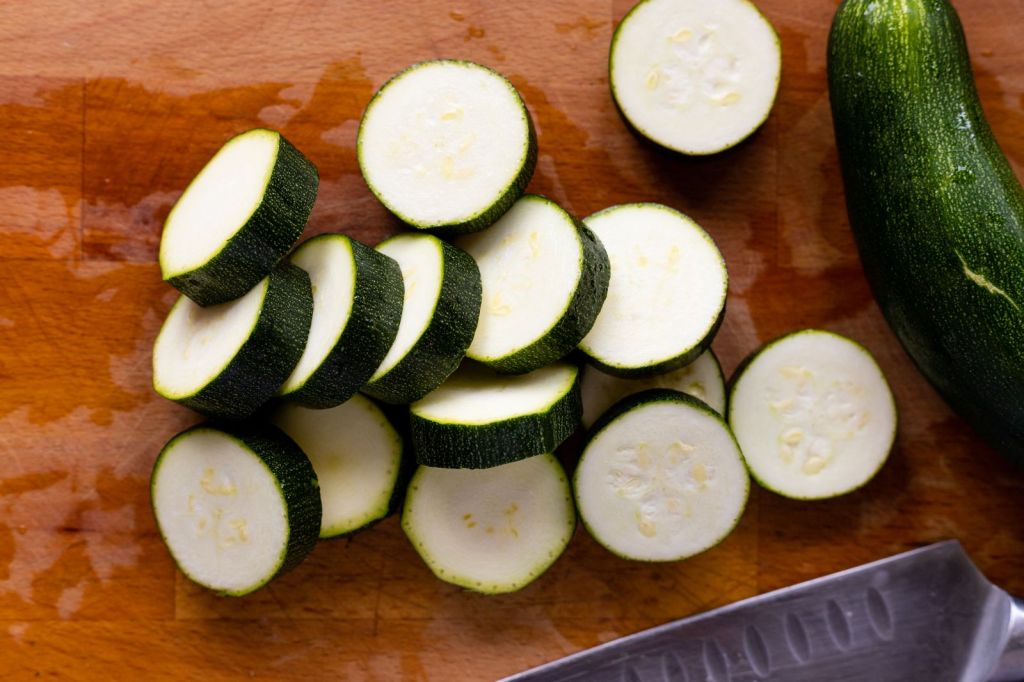
- Cut the zucchini in half lengthwise, then into 1/4-inch (5 mm) half-moons.
- Heat the oil in a skillet over medium heat. Add the garlic and onion and stir for 30 seconds.
- Add the zucchini and stir-fry for 2–3 minutes until just tender but still bright green.
- Sprinkle with matsogeum and toss for 30 seconds more. Taste and add a pinch more if needed.
- Turn off the heat, add sesame oil, sesame seeds and chili, and toss. Serve warm or at room temperature.
Tip: Season at the end – salting zucchini early draws out water and makes it mushy. For a more traditional flavor, replace half the matsogeum with a little chopped saeujeot (salted shrimp).
Where to Buy Matsogeum
United States
As an Amazon Associate, I earn from qualifying purchases.
Amazon
Search Korean seasoned salt on Amazon
H-Mart
Search seasoned salt on H-Mart
Canada
Search Korean seasoned salt on Amazon.ca
Europe
Search Korean seasoned salt on Amazon.co.uk
How to Store Matsogeum
Keep the shaker tightly closed in a cool, dry cupboard, away from the steam of the stove so it doesn’t clump. Stored dry, it keeps for a very long time; use it by the best-before date for the best flavor. If it hardens, shake or break it up – a few grains of dry rice in the shaker help keep it flowing.
Matsogeum FAQ
Is matsogeum the same as MSG?
No. It is mainly salt with a small amount of MSG mixed in, so use it like salt, not like pure MSG.
Can I use matsogeum instead of regular salt?
Yes, in most dishes 1:1, but taste as you go. For kimchi salting or brining, use coarse sea salt instead.
What is a substitute for matsogeum?
Fine salt plus a pinch of MSG, or fine salt with a little stock powder such as dashida.
Is matsogeum the same as American seasoned salt?
No. American seasoned salt usually contains paprika, garlic and onion; matsogeum is plain-tasting salt with umami.
Conclusion
Matsogeum is a small pantry item with a big everyday role in Korean home cooking. A shake gives vegetables, eggs and rice that savory, well-seasoned taste with no extra effort – just remember it is still salt, so a little goes a long way.


Leave a Reply