Introduction
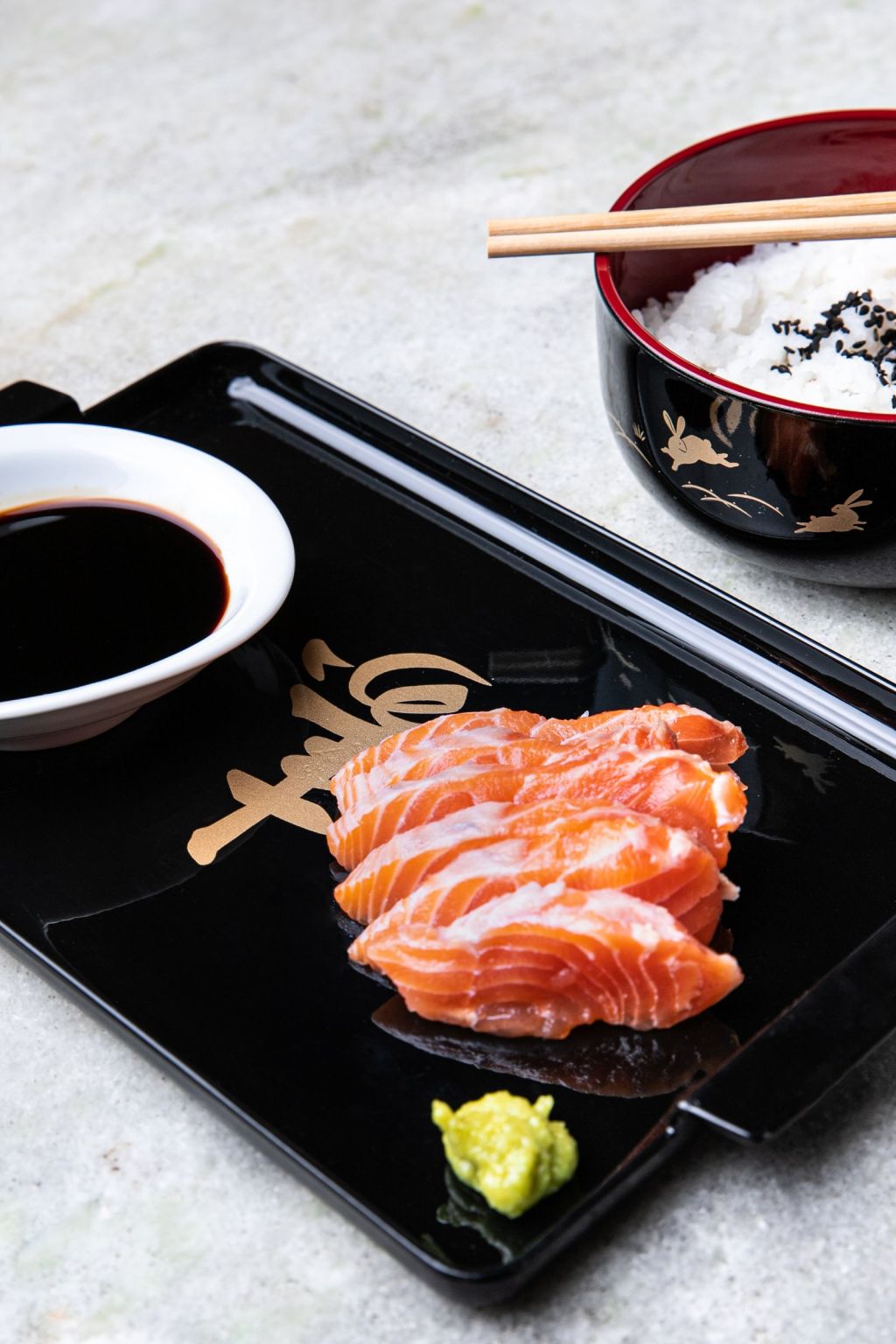
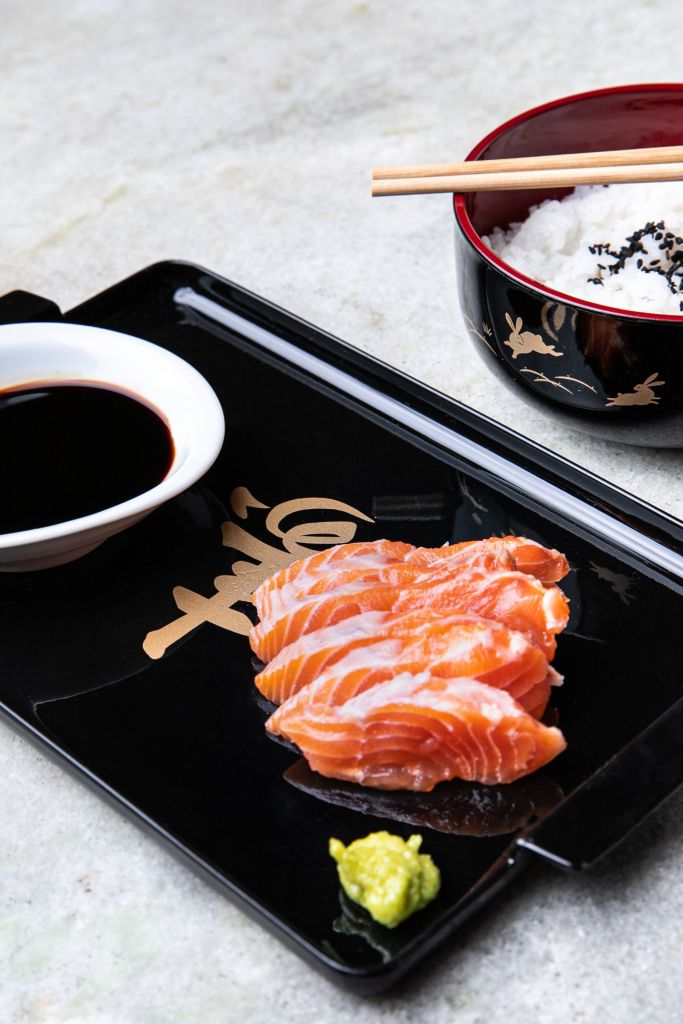
Yeoneo-jang (연어장) means “soy-marinated salmon.” Thick pieces of raw salmon are soaked in a cooled, sweet-savory soy brine with onion, chili and lemon until the fish turns silky and seasoned all the way through. It belongs to the same family as ganjang gejang (soy crab) and saeu-jang (soy shrimp) – the “rice thieves” (bap-doduk) of Korean home cooking – and it has become a hugely popular homemade and delivery dish in Korea in recent years.
Yeoneo-jang at a Glance
What it is
- Raw salmon marinated in a boiled-and-cooled Korean soy brine
Main ingredients
- Sashimi-grade salmon, soy sauce, water, sugar, cooking wine, kelp, onion, chili, lemon, garlic
Taste
- Buttery, sweet-salty and umami, with a fresh citrus and chili edge
Main uses
- Salmon rice bowls (yeoneo-jang deopbap), with gim (seaweed), as a side dish
What is Yeoneo-jang Made Of?
The brine is a simple soy-water mixture sweetened with sugar or syrup, flavored with kelp, onion, garlic and chili, boiled briefly and cooled completely before the raw fish goes in. Onion slices, lemon and green chilies are added fresh to the jar. Common variations:
- Classic soy yeoneo-jang: soy, sugar, kelp, onion and lemon.
- Spicy version: extra Cheongyang chili or a little gochugaru.
- Wasabi-soy style: served with wasabi for a sashimi feel.
- Mixed jang: salmon marinated together with shrimp in one brine.
What Does Yeoneo-jang Taste Like?
The soy brine firms the outside of the salmon slightly while the center stays soft and rich. You taste salty-sweet soy first, then the buttery fat of the salmon, then the brightness of lemon and the heat of chili. Over hot rice with a raw egg yolk and sesame oil, it is incredibly addictive.
Popular Korean Dishes That Use Yeoneo-jang
Yeoneo-jang Deopbap
Salmon over rice with onion, a yolk and a drizzle of brine – the most popular way to eat it.
Gim Wraps
A spoonful of rice and a piece of salmon wrapped in roasted seaweed.
Salmon Bibimbap
Diced salmon with avocado, cucumber and greens over rice.
Banchan Side Dish
Small slices served alongside soup and rice at home.
Easy Yeoneo-jang Rice Bowl Recipe (Serves 3–4)
Ingredients
- 500 g (1.1 lb) sashimi-grade salmon, skin removed, cut into 2 cm (3/4 inch) thick pieces
- 1/2 onion, thinly sliced; 1/2 lemon, sliced; 1–2 green chilies, sliced
- For serving: hot rice, egg yolks (optional), sesame oil, sesame seeds, roasted seaweed, wasabi
Soy Brine
- 1/2 cup (120 ml) soy sauce
- 1 cup (240 ml) water
- 3 tbsp sugar, 3 tbsp cooking wine (matsul or mirin)
- 1 piece dried kelp (5 x 5 cm), 3 garlic cloves, 1/4 onion
Instructions
- Put all brine ingredients in a pot, bring to a boil and simmer 3–5 minutes. Remove the kelp, strain and cool the brine completely in the fridge.
- Pat the salmon dry and place it in a clean glass container. Tuck the onion, lemon and chili slices around the fish.
- Pour the cold brine over the salmon so it is covered. Seal and refrigerate for 12–24 hours.
- Slice the salmon into bite-size pieces. Fill bowls with hot rice, arrange the salmon and marinated onion on top, and add an egg yolk if you like.
- Drizzle 1–2 tsp of the brine and a little sesame oil, sprinkle sesame seeds and serve with seaweed and wasabi.
Tip (food safety): Yeoneo-jang is not cooked, so use only salmon sold as sashimi/sushi-grade that has been frozen to kill parasites, keep everything cold, and eat it within 2–3 days. Raw fish and raw yolks are not recommended for pregnant women, young children, older adults or anyone with a weakened immune system.
Where to Buy Yeoneo-jang Ingredients
Buy sashimi-grade salmon from a trusted fish counter or Korean/Japanese market. Korean soy sauce and kelp are available online.
United States
As an Amazon Associate, I earn from qualifying purchases.
Amazon
Search Korean soy sauce on Amazon
Search dried kelp (dasima) on Amazon
H-Mart
Search salmon on H-Mart
Canada
Search Korean soy sauce on Amazon.ca
Europe
Search Korean soy sauce on Amazon.co.uk
How to Store Yeoneo-jang
Keep yeoneo-jang in a sealed container in the coldest part of the fridge and finish it within 2–3 days; the salmon gets saltier and firmer the longer it sits. For longer keeping, lift the salmon out of the brine after 24 hours and freeze portions for up to 2 weeks, thawing in the fridge. Do not reuse the brine for fresh fish.
Yeoneo-jang FAQ
Is yeoneo-jang raw?
Yes. The soy brine seasons and lightly cures the salmon, but it does not cook it, so freshness and proper handling matter.
How long should salmon marinate?
12–24 hours is ideal. Shorter gives a lighter, sashimi-like taste; longer makes it saltier.
Can I use frozen salmon?
Yes – frozen sashimi-grade salmon thawed in the fridge is actually a good choice for raw dishes.
What’s the difference between yeoneo-jang and poke?
Poke is dressed just before serving; yeoneo-jang is soaked in a cooked soy brine for hours, giving a deeper, sweeter soy flavor.
Conclusion
Yeoneo-jang is the easiest member of the Korean soy-marinated seafood family: no shells, no cooking, just a quick brine and a day of patience. Serve it over rice and you have a restaurant-style bowl at home. Learn more about the soy sauce behind it in our ganjang (Korean soy sauce) guide.


Leave a Reply