Introduction
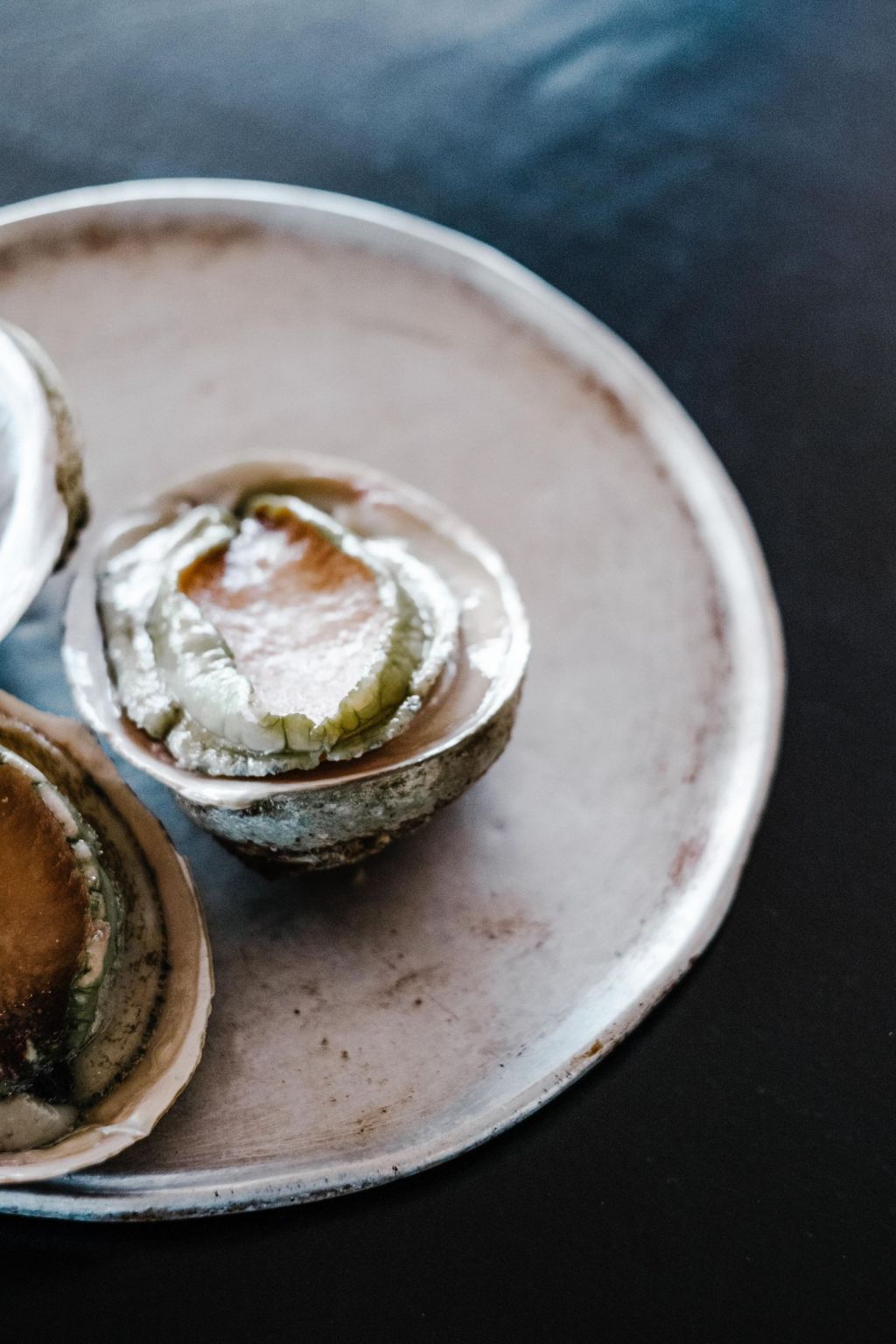
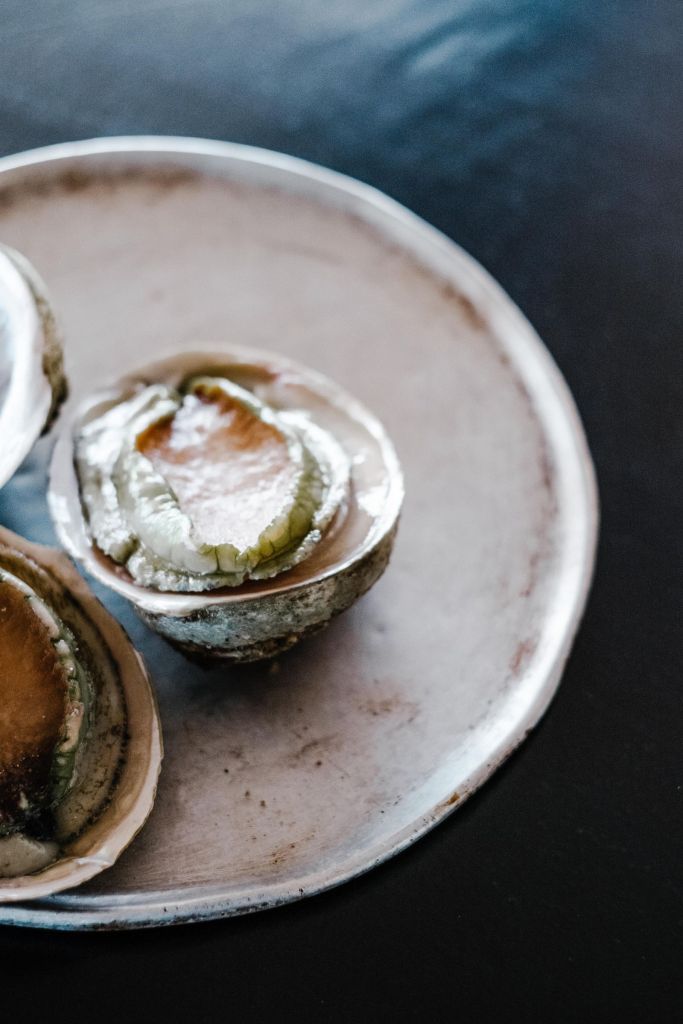
Jeonbok-jang (전복장) is abalone that has been briefly cooked and then soaked in a sweet, garlicky soy marinade. It belongs to the same family as saeu-jang (soy-marinated shrimp) and yeoneo-jang (soy-marinated salmon) – “jang” dishes that Koreans call bap-doduk, or “rice thieves”, because they make you eat bowl after bowl of rice. Farmed abalone from Wando and Jeju has made jeonbok-jang a popular gift set and home banchan.
Jeonbok-jang at a Glance
What it is
- Cooked abalone marinated in a seasoned soy sauce brine
Main ingredients
- Abalone, soy sauce, water or kelp stock, sugar or syrup, cooking wine, garlic, ginger, chili, onion
Taste
- Sweet-salty and savory, with tender, chewy abalone and a light sea flavor
Main uses
- Banchan with rice, abalone rice bowls, butter-fried abalone rice, gift sets
What is Jeonbok-jang Made Of?
The marinade starts with ganjang (soy sauce) diluted with water or kelp stock, then sweetened and boiled with aromatics. Unlike raw-crab ganjang gejang, abalone for jeonbok-jang is usually steamed or blanched first so it stays tender. Common types:
- Classic soy jeonbok-jang: sweet garlic soy marinade with chili and onion.
- Butter jeonbok-jang: abalone seared in butter before marinating, very popular in recent years.
- Spicy version: extra Korean hot chilies or a little gochugaru.
- Store-bought jars and gift sets: ready to eat, sold chilled or frozen.
What Does Jeonbok-jang Taste Like?
The abalone is firm yet tender, a little like a sweet scallop with more chew. The marinade is salty-sweet with garlic and a gentle chili kick, and it soaks into the scored surface of the meat. The leftover marinade is delicious drizzled over hot rice.
Popular Korean Dishes That Use Jeonbok-jang
Jeonbok-jang Deopbap
Sliced abalone over rice with an egg yolk, sesame oil and seaweed.
Jeonbok Butter Rice
Rice fried in butter with chopped abalone and a spoonful of the marinade.
Jeonbok-jang Banchan
Served whole as a special side dish for holidays and guests.
Easy Jeonbok-jang Rice Bowl Recipe (Serves 2)
Ingredients
- 6 medium abalone, fresh or frozen in shell
- 2 bowls hot cooked rice, 2 egg yolks (optional), 1 tsp sesame oil
- Crumbled roasted seaweed, chopped green onion, sesame seeds
Jeonbok-jang Marinade
- 1/2 cup soy sauce, 1 cup water
- 3 tbsp sugar or 4 tbsp syrup, 3 tbsp cooking wine
- 5 cloves garlic (sliced), 1 small piece ginger, 1/2 onion
- 1 piece dried kelp (5 cm), 1–2 Korean green chilies (sliced)
Instructions
- Make the marinade: boil everything except the chilies for 5 minutes, remove the kelp, add the chilies and let it cool completely.
- Scrub the abalone with a soft brush until clean. Steam in their shells for 4–5 minutes, just until firm.
- Slide a spoon under the meat to remove it from the shell. Cut away the teeth (the hard part at the narrow end) and score the top in a crosshatch pattern.
- Place the abalone in a clean jar and pour the cooled marinade over. Refrigerate for at least 12 hours (overnight).
- To serve, slice 3 abalone per bowl, arrange over hot rice, add an egg yolk, seaweed, green onion, sesame oil and 1–2 tbsp marinade.
Tip: Do not over-steam abalone or it becomes rubbery. Always pour the marinade over only after it has cooled, and keep the jar refrigerated.
Where to Buy Jeonbok-jang
Frozen abalone and ready-made jeonbok-jang are sold at larger Korean markets; soy sauce and syrups are easy to find online.
United States
As an Amazon Associate, I earn from qualifying purchases.
Amazon
Search Korean soy sauce on Amazon
Search frozen abalone on Amazon
H-Mart
Search abalone on H-Mart
Canada
Search Korean soy sauce on Amazon.ca
Europe
Search Korean soy sauce on Amazon.co.uk
How to Store Jeonbok-jang
Keep homemade jeonbok-jang fully covered in marinade in a sealed jar in the fridge and eat it within about 5–7 days. For longer storage, freeze individual abalone in a little marinade for up to 1 month. Store-bought jars should follow the label.
Jeonbok-jang FAQ
Is the abalone in jeonbok-jang raw?
Most home recipes, including this one, briefly steam or blanch the abalone first, so it is cooked.
Can I eat the abalone guts?
Koreans prize the green innards from fresh abalone for porridge (jeonbok-juk). Many people remove them for jeonbok-jang; it is a matter of taste.
Can I reuse the marinade?
Use leftover marinade as a seasoning sauce for rice or eggs within a few days. If you want to reuse it for a new batch, boil it again and cool it first.
What does abalone taste like?
Mild, slightly sweet and briny, with a firm, chewy texture similar to a cross between scallop and squid.
Conclusion
Jeonbok-jang is an easy way to turn abalone into a luxurious, make-ahead rice bowl. Steam lightly, marinate overnight and enjoy it all week. For an everyday soy sauce that works in many Korean dishes, see our mat-ganjang guide.


Leave a Reply