Introduction
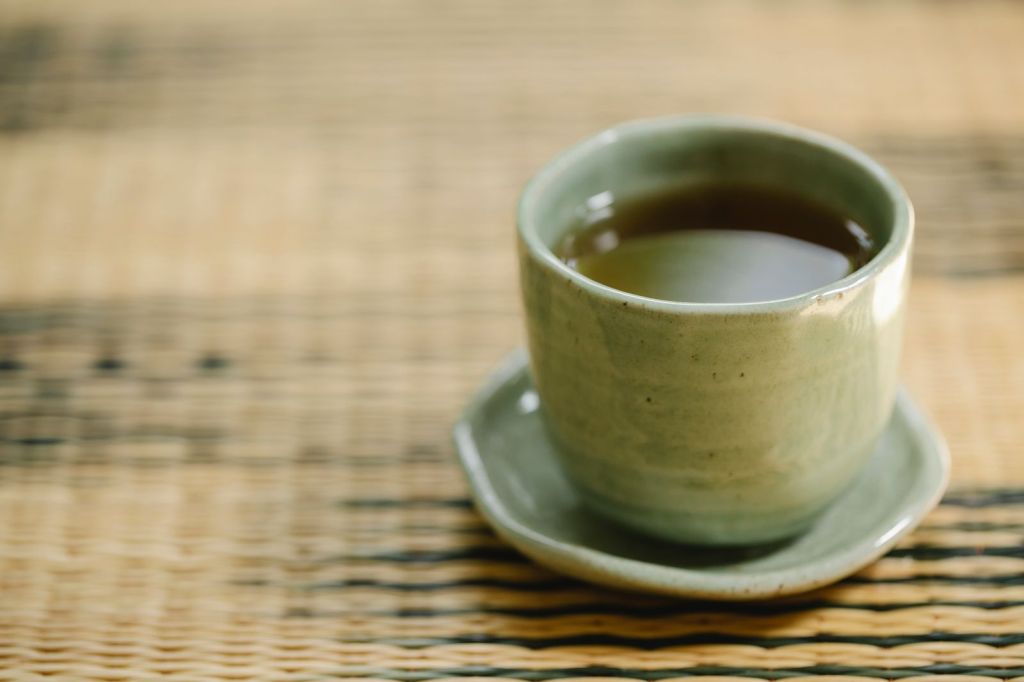
Doraji-cheong (도라지청) is a thick Korean syrup made by cooking or preserving doraji – the white root of the balloon flower (bellflower) – with honey, sugar or rice syrup. Koreans traditionally stir a spoonful into hot water as a soothing tea when the weather turns cold or the air is dry, and it is often combined with Korean pear. Like mogwa-cheong (quince syrup) and yuja-cha, it is one of the classic Korean “cheong” preserves.
Doraji-cheong at a Glance
What it is
- A sweet syrup or concentrate made from bellflower root
Main ingredients
- Doraji (bellflower root), honey or sugar, often Korean pear, ginger or jujube
Taste
- Sweet and honeyed with a gentle earthy bitterness, similar to ginseng but milder
Main uses
- Doraji-cha (hot tea), pear-doraji drinks, sweetener for marinades and dressings
What is Doraji-cheong Made Of?
Doraji (Platycodon root) is a common Korean vegetable – it is also eaten as namul and in bibimbap. For cheong, the root is peeled, sliced and either layered with honey and sugar to draw out its juices, or simmered for hours into a dark, thick concentrate. Common types:
- Doraji honey cheong: sliced root preserved in honey; light and chunky.
- Bae-doraji cheong: doraji with Korean pear, very popular in jars and sticks.
- Doraji-jeonggwa / concentrate: long-simmered, dark and thick.
- Single-serve sticks: portable pouches you squeeze into hot water.
What Does Doraji-cheong Taste Like?
The first taste is sweet and honey-like, followed by a slightly bitter, earthy root flavor and a faint tingling feeling in the throat that doraji is known for. Versions with pear are fruitier and milder, while concentrates taste deeper and more herbal.
Popular Korean Dishes and Drinks That Use Doraji-cheong
Doraji-cha
A warm tea made by dissolving the syrup in hot water.
Bae-doraji-cha
Pear and bellflower tea – a winter favorite, related to baesuk (poached pear).
Doraji Iced Ade
Syrup mixed with sparkling water and lemon for a summer drink.
Sweetener for Doraji Muchim
A spoonful adds gentle sweetness to spicy bellflower root salad.
Easy Doraji-cha Tea Recipe (Serves 1)
Ingredients
- 1–2 tbsp doraji-cheong (store-bought or homemade)
- 1 cup (240 ml) hot water, not boiling
- 2–3 thin slices fresh ginger or 1 dried jujube (optional)
- A few pine nuts to garnish (optional)
Quick Homemade Doraji-cheong (makes 1 small jar)
- 200 g (7 oz) fresh or rehydrated doraji, peeled and thinly sliced
- 1/2 Korean pear, peeled and thinly sliced
- About 1 cup honey (enough to cover)
Instructions
- For homemade cheong: rub the doraji slices with a little salt and rinse to reduce bitterness. Pat completely dry.
- Layer doraji and pear in a clean, dry jar and pour honey over until fully covered. Seal and refrigerate for 3–5 days before using.
- To make tea, spoon 1–2 tbsp syrup (with a few slices) into a mug.
- Pour in hot water, add ginger or jujube if using, and stir. Let it steep 2–3 minutes, garnish with pine nuts and sip warm.
Tip: Use water just off the boil so the honey keeps its aroma. Honey should not be given to babies under 12 months – use a sugar-based syrup for family members of any age who can’t have honey.
Where to Buy Doraji-cheong
Jars and stick packs are sold near the tea section of Korean markets; dried or fresh doraji is often in the produce or dried goods aisle.
United States
As an Amazon Associate, I earn from qualifying purchases.
Amazon
Search Korean bellflower root syrup on Amazon
Search Korean pear doraji tea on Amazon
H-Mart
Search doraji on H-Mart
Canada
Search Korean bellflower root syrup on Amazon.ca
Europe
Search Korean bellflower root syrup on Amazon.co.uk
How to Store Doraji-cheong
Keep homemade doraji-cheong in the fridge and use a clean, dry spoon each time; it keeps for about 1–2 months. Store-bought jars and sticks can stay in the pantry until opened – then refrigerate and follow the label.
Doraji-cheong FAQ
What is doraji in English?
Doraji is the root of the balloon flower (Platycodon grandiflorus), usually called bellflower root in English.
Why do Koreans drink doraji tea?
It is a traditional comfort drink for cold, dry seasons and scratchy throats. It is a food, not a medicine – see a doctor for persistent symptoms.
Is doraji-cheong bitter?
Slightly, but the honey or pear balances it. Salting and rinsing the root before preserving reduces bitterness.
Can I drink doraji-cheong cold?
Yes – mix it with cold or sparkling water and ice for a refreshing drink.
Conclusion
Doraji-cheong is a cozy Korean pantry staple: one spoonful and hot water make a soothing cup in seconds. Keep a jar ready for winter, and explore more Korean syrups like maesil-cheong (green plum syrup).


Leave a Reply