Introduction
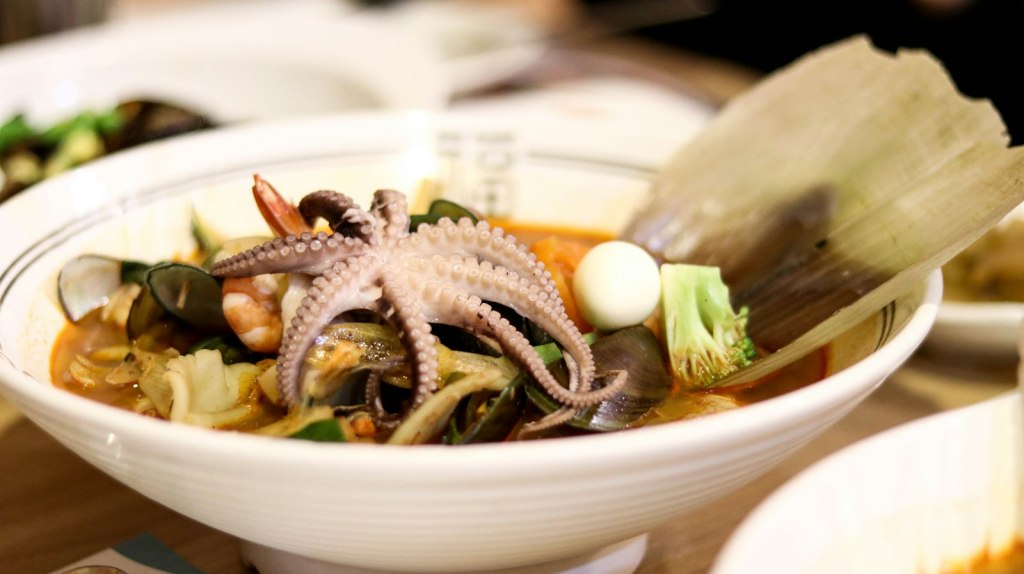
Nakji bokkeum sauce (낙지볶음 양념) is the bold red sauce used to stir-fry nakji, the small long-arm octopus loved in Korea. Nakji bokkeum is famously spicy: Seoul’s Mugyo-dong area is known for nakji restaurants where office workers go to sweat out stress over a plate of fiery octopus, rice and a bowl of plain broth. The sauce is built on gochugaru and gochujang and also works with squid (ojingeo bokkeum) and webfoot octopus (jjukkumi bokkeum).
Nakji Bokkeum Sauce at a Glance
Quick facts
- What it is: a spicy chili sauce for stir-fried octopus and squid
- Main ingredients: gochugaru, gochujang, soy sauce, sugar, garlic, sesame oil
- Taste: very spicy, garlicky, slightly sweet and smoky from the wok
- Main uses: nakji bokkeum, ojingeo bokkeum, jjukkumi bokkeum, nakji-deopbap
What is Nakji Bokkeum Sauce Made Of?
Most recipes combine plenty of gochugaru with a smaller amount of gochujang, soy sauce, sugar or corn syrup, minced garlic, a little ginger and sesame oil. Gochugaru gives clean heat and color, while gochujang adds body and a slightly sweet, fermented depth. Some cooks add oyster sauce or fish sauce for extra savoriness, and restaurants often use finely ground chili for a very spicy, smooth coating.
Types of nakji bokkeum sauce
- Mugyo-dong style: extremely spicy, with fine chili powder and lots of garlic.
- Home style: milder and sweeter, with more vegetables.
- Bottled stir-fry sauce: ready-made spicy seafood stir-fry sauces sold at Korean markets.
- Jjukkumi style: a similar sauce often grilled or stir-fried with pork belly (jjuggumi-samgyeopsal).
What Does Nakji Bokkeum Sauce Taste Like?
It is hot first, then sweet and garlicky, with a savory backbone from soy sauce and gochujang. Cooked over high heat it picks up a light smoky flavor. The octopus itself is mild and chewy, so the sauce carries the dish.
Popular Korean Dishes That Use Nakji Bokkeum Sauce
Nakji bokkeum
Stir-fried small octopus with vegetables. Recipe below.
Nakji-deopbap
The same stir-fry served over a bowl of rice as a one-dish lunch.
Ojingeo bokkeum
Spicy stir-fried squid, made with the same sauce and a home-cooking classic.
Nakji-somyeon
Spicy octopus served with plain somyeon noodles to mix in and tame the heat.
Easy Nakji Bokkeum Recipe (Serves 2–3)
Ingredients
- 1 lb (450 g) small octopus (nakji), fresh or thawed frozen
- 2 tbsp flour or coarse salt, for cleaning
- 1/2 onion, sliced
- 1/2 carrot, thinly sliced
- 1/4 small cabbage, cut into pieces
- 2 green onions, cut into 2-inch lengths
- 1 green chili, sliced (optional)
- 1 tbsp neutral oil
- 1 tsp sesame oil and sesame seeds, to finish
Nakji bokkeum sauce
- 2–3 tbsp gochugaru
- 1 tbsp gochujang
- 2 tbsp soy sauce
- 1 tbsp sugar
- 1 tbsp corn syrup or honey
- 1 tbsp minced garlic
- 1/2 tsp minced ginger
- 1 tbsp rice wine
- 1 tbsp sesame oil
- Pinch of black pepper
Instructions
- Remove the octopus head contents if still attached. Rub the octopus with flour or coarse salt for 1–2 minutes to remove slime, then rinse well.
- Blanch the octopus in boiling water for about 30 seconds, drain and cut into 2-inch pieces. This keeps the stir-fry from getting watery.
- Mix all the sauce ingredients in a bowl.
- Heat the oil in a wok or large pan over high heat. Stir-fry the onion, carrot and cabbage for 2 minutes.
- Add the octopus and sauce and stir-fry for 2–3 minutes, just until the octopus is opaque and coated. Do not overcook or it turns tough.
- Toss in the green onion and chili, turn off the heat, drizzle with sesame oil and sprinkle with sesame seeds. Serve with rice or somyeon.
Tip: Cook on the highest heat you have and in a wide pan. Quick, hot cooking keeps the octopus tender and gives a smoky flavor.
Where to Buy Nakji Bokkeum Sauce and Octopus
United States
As an Amazon Associate, I earn from qualifying purchases.
Amazon
Search Korean spicy stir-fry sauce on Amazon
Search gochugaru on Amazon
H-Mart
Search octopus on H-Mart
Canada
Search Korean spicy stir-fry sauce on Amazon.ca
Europe
Search Korean spicy stir-fry sauce on Amazon.co.uk
How to Store Nakji Bokkeum Sauce
Mixed sauce keeps in a sealed jar in the refrigerator for about 1 week and can be frozen in portions for 2 months. Keep frozen octopus frozen until needed and thaw overnight in the fridge. Cooked nakji bokkeum is best eaten right away; leftovers keep 1–2 days in the fridge but the octopus gets firmer when reheated.
Nakji Bokkeum Sauce FAQ
How spicy is nakji bokkeum?
Restaurant versions are among the spiciest Korean dishes. At home you control it: use 1–2 tablespoons of gochugaru for medium heat.
What is the difference between nakji and jjukkumi?
Nakji is long-arm octopus with thin, long legs. Jjukkumi is webfoot octopus, smaller and rounder, at its best in spring.
Can I use squid instead of octopus?
Yes. Score and slice squid, skip the blanching and stir-fry it for about 2 minutes. The dish is then called ojingeo bokkeum.
Why is my octopus stir-fry watery?
Octopus releases liquid as it cooks. Blanching it briefly first, using high heat and cooking in batches all help.
Conclusion
Nakji bokkeum sauce is Korea’s go-to recipe for spicy, smoky seafood stir-fries, and the same sauce works for octopus, squid or shrimp. If you love the heat, try our jeyuk sauce for spicy pork or dakgalbi sauce for chicken next.


Leave a Reply