Introduction
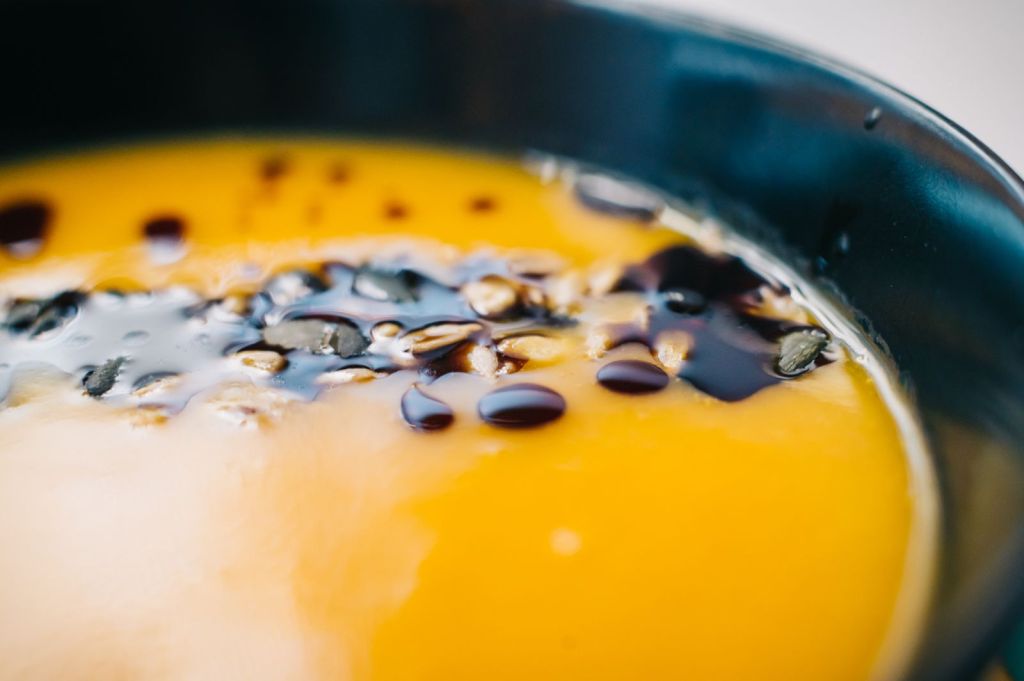
Danhobak (단호박) literally means “sweet pumpkin,” and it is what Koreans call kabocha squash – the small, dark-green squash with bright orange flesh. It is one of the most-loved vegetables in Korean homes: steamed as a snack, roasted, added to stews, and above all blended into hobak-juk, a smooth, gently sweet pumpkin porridge served as a comforting starter or light meal, especially in autumn and winter.
Danhobak at a Glance
What it is
- Kabocha squash, a sweet winter squash with dense orange flesh
Main ingredients
- Whole squash (also sold steamed, frozen, as powder and in ready-made porridge)
Taste
- Naturally sweet, nutty and fluffy, like a cross between sweet potato and chestnut
Main uses
- Hobak-juk, steamed squash, salads, jjim (stuffed and steamed), jorim and baking
What is Danhobak Made Of?
Danhobak is the squash itself. Korean kitchens use several kinds of hobak, so it helps to know the names:
- Danhobak (kabocha): green skin, sweet and dense – best for porridge and steaming.
- Aehobak: Korean summer zucchini, used in doenjang jjigae and jeon.
- Neulgeun hobak: large, mature yellow-orange pumpkin, traditionally used for juk and pumpkin juice.
- Packaged danhobak: frozen cubes, pumpkin powder and instant hobak-juk packets in Korean groceries.
What Does Danhobak Taste Like?
Cooked danhobak is sweeter and drier than most pumpkins, with a velvety, almost creamy texture and a nutty flavor. Blended into porridge it becomes silky and naturally sweet, so you need only a little sugar and a pinch of salt.
Popular Korean Dishes That Use Danhobak
Hobak-juk
Smooth pumpkin porridge thickened with sweet rice flour – the recipe below.
Danhobak-jjim
A whole kabocha hollowed out, stuffed (with sweet rice, nuts and jujubes, or other fillings) and steamed.
Danhobak Salad
Mashed steamed squash mixed with mayo, raisins and nuts – a popular side dish and sandwich filling.
Steamed Danhobak
Simple wedges steamed until soft, eaten as a healthy snack.
Easy Hobak-juk Recipe (Serves 3–4)
Ingredients
- 1 small kabocha squash (about 2 lb / 900 g)
- 3 cups (720 ml) water
- 4 tbsp chapssal-garu (sweet rice flour) mixed with 1/2 cup water
- 2–3 tbsp sugar or honey, to taste
- 1/2 tsp salt
- Pine nuts, pumpkin seeds or sliced jujubes, to garnish (optional)
Instructions
- Microwave the whole squash for 3–4 minutes to soften the skin slightly. Let it cool enough to handle, then set it on a stable cutting board and cut in half with a heavy knife, keeping your fingers clear. Scoop out the seeds.
- Cut into chunks and peel off the green skin (or leave a little for color).
- Put the squash and 3 cups of water in a pot, bring to a boil and simmer 15 minutes until very soft.
- Blend until smooth with an immersion blender (or carefully in a blender, in batches, with the lid vented).
- Return to low heat. Stir in the rice flour slurry and cook, stirring constantly, for 5 minutes until thick and glossy.
- Season with sugar or honey and salt. Serve warm with your choice of garnish.
Tip: Stir constantly once the rice flour goes in – it thickens quickly and can stick to the bottom. Add a splash of water if it gets too thick.
Where to Buy Danhobak
United States
As an Amazon Associate, I earn from qualifying purchases.
Amazon
Search Korean pumpkin porridge on Amazon
Search sweet rice flour on Amazon
H-Mart
Search kabocha on H-Mart
Search pumpkin porridge on H-Mart
Canada
Search Korean pumpkin porridge on Amazon.ca
Europe
Search Korean pumpkin porridge on Amazon.co.uk
How to Store Danhobak
A whole uncut kabocha keeps for weeks in a cool, dry, well-ventilated spot. Once cut, scoop out the seeds, wrap tightly and refrigerate for up to 5 days. Cooked hobak-juk keeps 3–4 days in the fridge and can be frozen in portions for about a month; reheat gently with a little water.
Danhobak FAQ
Is danhobak the same as kabocha?
Yes. Danhobak is the Korean name for kabocha squash. Buttercup squash is a close substitute.
Can I eat kabocha skin?
Yes, it is edible and softens when cooked. Many people peel it for smooth, bright porridge but leave it on for steaming and roasting.
Can I make hobak-juk with canned pumpkin?
Yes. Use about 2 cups of plain canned pumpkin purée (not pie filling) thinned with water, then thicken with sweet rice flour.
Conclusion
Danhobak is sweet, versatile and easy to love, and hobak-juk is the coziest way to enjoy it. Pick up a kabocha this season and try the porridge above. For more Korean porridges, see our black sesame porridge and mung bean porridge guides.


Leave a Reply