
Introduction
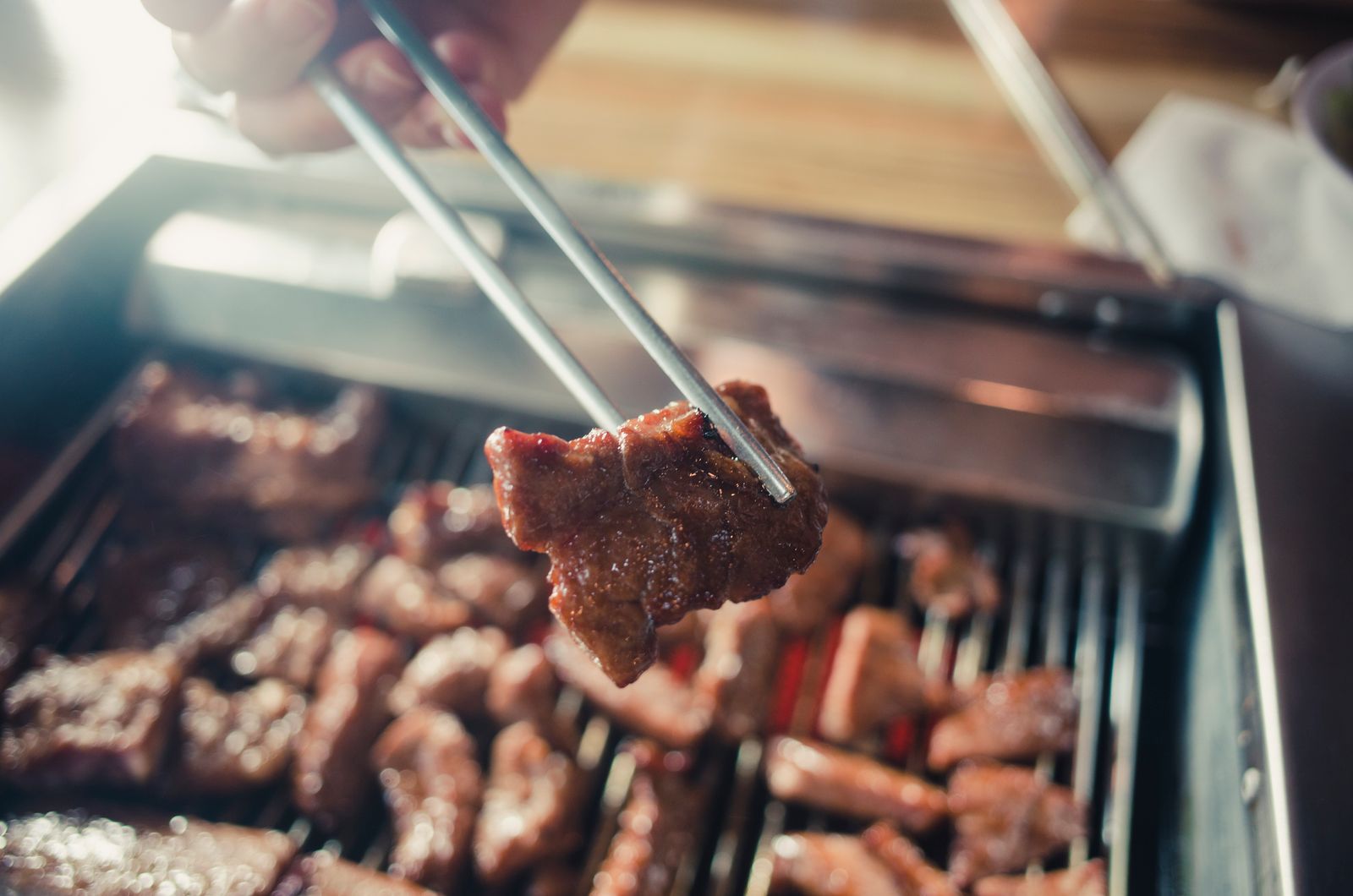
If you have ever eaten at a Korean gisa sikdang (a no-frills restaurant popular with taxi drivers), there is a good chance you were served bulbaek: thin slices of marinated pork grilled over high heat until the edges char, served with rice, soup and a spread of side dishes. The name is short for bulgogi baekban—a bulgogi set meal—and the flavor comes almost entirely from one thing: the bulbaek sauce, a marinade that is either sweet-savory soy (ganjang bulbaek) or spicy gochujang (gochujang bulbaek).
This guide explains what goes into bulbaek sauce, how it differs from regular bulgogi and jeyuk marinades, and how to make a smoky ganjang bulbaek in an ordinary frying pan.
Bulbaek Sauce at a Glance
What it is
A marinade for thinly sliced pork that is grilled hard over direct heat for a smoky, caramelized finish.Main ingredients
Soy sauce, sugar or syrup, grated onion and pear, garlic, ginger, black pepper and sesame oil (plus gochujang and gochugaru for the spicy version).Taste
Sweet, salty and garlicky, with a smoky, slightly burnt-sugar edge once grilled.Main uses
Pork shoulder or pork belly bulbaek, rice bowls, lettuce wraps and lunch boxes.
What is Bulbaek Sauce Made Of?
Bulbaek sauce is built like a classic bulgogi marinade, but it is usually a little sweeter and more concentrated so the sugars caramelize quickly on a hot grill. Grated onion and Asian pear add natural sweetness and help tenderize the meat, while a splash of cooking wine (matsul) softens any porky smell.
Types of Bulbaek Sauce
- Ganjang bulbaek (soy): soy sauce, sugar, garlic, onion, pear and sesame oil. Mild, kid-friendly and the best place to start.
- Gochujang bulbaek (spicy): the soy base plus gochujang and gochugaru. Closer to jeyuk sauce, but grilled rather than stir-fried with vegetables.
- Bottled “pork bulgogi” marinade: many Korean brands sell ready-made pork bulgogi or spicy pork marinades that work well for bulbaek in a pinch.
What Does Bulbaek Sauce Taste Like?
Raw, the soy version tastes like a sweet teriyaki-style sauce with much more garlic and a fruity note from the pear. The magic happens on the heat: the sugar caramelizes and slightly chars, giving the pork a smoky, almost barbecue-like crust. The spicy version adds a fermented, gently sweet heat from gochujang. Compared with beef bulgogi marinade, bulbaek is usually bolder and more garlicky, because pork can stand up to stronger flavors.
Popular Korean Dishes That Use Bulbaek Sauce
Ganjang Bulbaek
Soy-marinated pork grilled until smoky, served with rice, lettuce and ssamjang.
Gochujang Bulbaek
The spicy red version, often served on a sizzling plate with sliced onions.
Bulbaek Deopbap
Grilled bulbaek sliced over rice with a fried egg and shredded lettuce—an easy one-bowl lunch.
Bulbaek Ssam
Pork wrapped in lettuce or perilla leaves with garlic, green chili and a dab of sauce.
Easy Ganjang Bulbaek Recipe (Serves 2–3)
Ingredients
- 1 lb (450 g) thinly sliced pork shoulder (sold as “pork bulgogi” or “pork butt sliced” at Korean markets) or thin pork belly
- ½ onion, thinly sliced
- 2 green onions, cut into 2-inch pieces
- 1 tsp neutral oil
- Toasted sesame seeds, to finish
Bulbaek Sauce
- 4 tbsp soy sauce (regular jin-ganjang)
- 2 tbsp sugar (brown sugar adds more caramel flavor)
- 1 tbsp rice syrup, oligosaccharide syrup or honey
- 3 tbsp grated Asian pear (or apple)
- 2 tbsp grated onion
- 1 tbsp minced garlic
- 1 tsp grated ginger
- 1 tbsp cooking wine (matsul or mirin)
- 1 tbsp sesame oil
- ¼ tsp black pepper
- For spicy gochujang bulbaek: add 1½ tbsp gochujang and 1 tbsp gochugaru, and reduce soy sauce to 2 tbsp
Instructions
- Whisk all the sauce ingredients together until the sugar dissolves.
- Pat the pork dry with paper towels, separate the slices and toss with the sauce and sliced onion. Marinate in the refrigerator for at least 30 minutes, or up to 12 hours.
- Heat a cast-iron or heavy pan over medium-high heat until very hot, then add the oil.
- Lay the pork in a single layer, working in batches so the pan stays hot. Let it sear without moving for 1–2 minutes until the edges caramelize, then flip.
- Cook until the pork is no longer pink and reaches at least 145°F (63°C), about 2–3 more minutes. Add the green onion for the last 30 seconds.
- Sprinkle with sesame seeds and serve with rice, lettuce, garlic slices and ssamjang.
Tip: For the signature smoky “bul-mat” without a charcoal grill, finish the cooked pork under a hot broiler for 1–2 minutes, or briefly sear the edges with a kitchen torch. Watch closely—the sugar in the sauce burns fast. Discard any leftover raw marinade; never use it as a sauce unless it has been boiled first.
Where to Buy Bulbaek Sauce
Bulbaek sauce is easiest to make at home, but bottled Korean pork bulgogi marinades are a good shortcut. Look for labels such as “pork bulgogi marinade,” “spicy pork marinade” or “Korean BBQ sauce for pork,” and check that soy sauce, sugar and garlic are near the top of the ingredient list.
United States
As an Amazon Associate, I earn from qualifying purchases.
Amazon
Korean pork bulgogi marinade on Amazon
H-Mart
Pork bulgogi sauce at H-Mart
Canada
Korean pork bulgogi marinade on Amazon.ca
Europe
Korean bulgogi marinade on Amazon.co.uk
How to Store Bulbaek Sauce
Homemade bulbaek sauce keeps in a clean, airtight jar in the refrigerator for about 5–7 days; the fresh pear and onion shorten its life compared with bottled sauce. Marinated raw pork should be cooked within 1–2 days, or frozen flat in freezer bags for up to 2–3 months—thaw it overnight in the refrigerator. Once opened, bottled marinades should be refrigerated and used by the date on the label.
Bulbaek Sauce FAQ
What does “bulbaek” mean?
It is a shortened form of bulgogi baekban, a set meal of grilled bulgogi served with rice, soup and side dishes. Today it usually refers to the pork version.
What is the difference between bulbaek and jeyuk bokkeum?
Both use marinated pork, but jeyuk bokkeum is stir-fried with vegetables in a spicy sauce, while bulbaek is grilled over high, direct heat for a smoky crust and can be soy-based or spicy.
Which cut of pork is best for bulbaek?
Thinly sliced pork shoulder (butt) is the classic choice because it stays juicy. Thin pork belly is richer, and pork loin works but dries out more easily.
Can I use bulbaek sauce on chicken or beef?
Yes. It works well on thin-sliced beef or boneless chicken thighs—cook chicken to 165°F (74°C).
Conclusion
Bulbaek sauce is a simple soy-garlic (or gochujang) marinade, but cooked over high heat it turns everyday pork shoulder into one of Korea’s most comforting set meals. Make the soy version first, then try the spicy variation once you have mastered the sear. For more Korean pork flavors, explore our guides to jeyuk sauce and gireumjang for samgyeopsal.
Leave a Reply