
Introduction
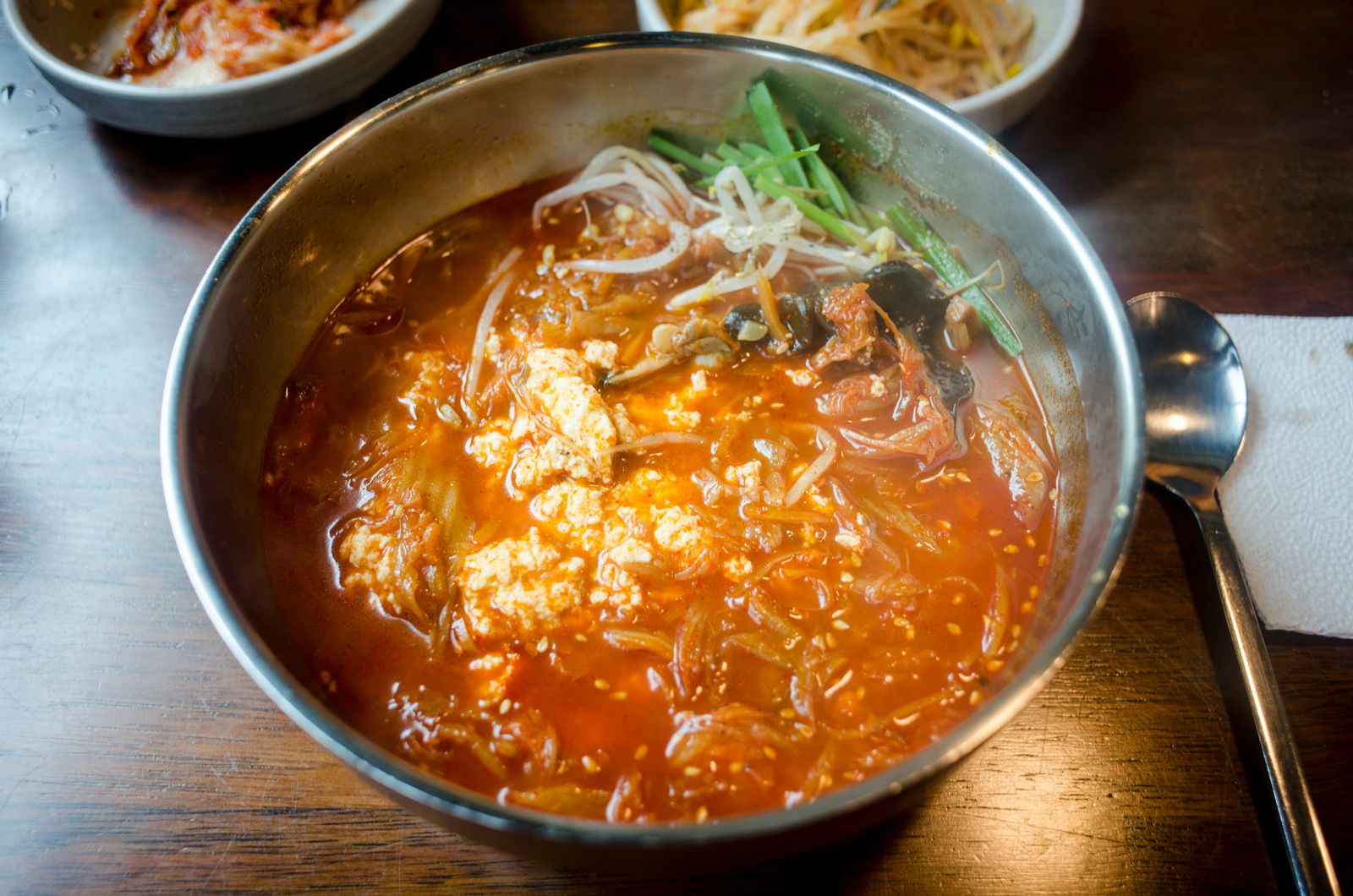
When the weather turns cold, Korean home cooks reach for dongtae-tang (동태탕): a bubbling, spicy stew of frozen Alaska pollock, Korean radish and tofu in a clean, peppery red broth. It is cheap, fast and deeply warming—and the whole flavor depends on a simple dongtae-tang seasoning of gochugaru, garlic, soup soy sauce and a little salted shrimp.
Because frozen pollock fillets and whole fish are easy to find in the freezer aisle of Korean and Asian markets, dongtae-tang is one of the most practical Korean fish stews to make outside Korea. Here is what goes into the seasoning and how to make the stew step by step.
Dongtae-tang Seasoning at a Glance
What it is
A spicy seasoning paste stirred into anchovy-kelp broth to make stew with frozen pollock (dongtae).Main ingredients
Gochugaru, garlic, soup soy sauce, salted shrimp or fish sauce, ginger, black pepper, sometimes a little gochujang or doenjang.Taste
Clean, spicy, savory and garlicky, with sweetness from radish and a light seafood depth.Main uses
Dongtae-tang and dongtae-jjigae, plus other pollock and white-fish stews.
What is Dongtae-tang Seasoning Made Of?
The base is a red pepper paste similar to dadaegi, but usually lighter: more gochugaru than gochujang, so the broth stays clear and bright rather than thick. Soup soy sauce (guk-ganjang) and saeujeot season the broth, garlic and ginger remove any fishy smell, and black pepper adds a gentle bite.
Know Your Pollock: Korean Names
- Saengtae: fresh, never-frozen pollock (saengtae-tang).
- Dongtae: frozen pollock—the one used in this stew and the easiest to buy abroad.
- Kodari: half-dried pollock, firm and chewy, used for braises.
- Bugeo / hwangtae: fully dried pollock, used for soups like bugeo-guk.
Types of Seasoning
- Homemade paste: mixed fresh from pantry staples (recipe below).
- Packaged spicy fish stew bases: sold as “maeuntang sauce” or “spicy seafood stew seasoning,” and work well for dongtae-tang.
What Does Dongtae-tang Seasoning Taste Like?
Once it simmers in broth, the seasoning tastes spicy and savory but not heavy. Gochugaru gives a fruity, warm heat, garlic dominates the aroma, and salted shrimp adds a rounded, briny depth. Radish slowly releases sweetness as it cooks, and the mild white pollock soaks up the broth. It is lighter and more refreshing than gochujang-based stews—many Koreans describe the broth as siwonhada, “refreshing” in a hot-soup way.
Popular Korean Dishes That Use Dongtae-tang Seasoning
Dongtae-tang / Dongtae-jjigae
The classic spicy frozen pollock stew with radish, tofu and green onion. “Jjigae” versions are usually a bit thicker and saltier.
Al-tang with Pollock
Pollock roe (al) and milt (gonni) are often added to dongtae-tang for richness; the same seasoning works for roe-focused stews.
Saengtae-tang
The same stew made with fresh pollock, prized for its softer, sweeter flesh.
Easy Dongtae-tang Recipe (Serves 3–4)
Ingredients
- 1 frozen pollock (about 1½ lb / 700 g), cleaned and cut into 2-inch pieces (often sold pre-cut as “frozen pollock cut”)
- 6 oz (170 g) Korean radish (mu), cut into thin squares
- ½ block firm or medium tofu, sliced
- ½ zucchini, sliced (optional)
- ½ onion, sliced
- 2 green onions and 1 green chili, sliced
- A handful of crown daisy (ssukgat) or water dropwort (minari), optional
- 5 cups anchovy-kelp broth (see our anchovy-kelp broth recipe) or water
Dongtae-tang Seasoning
- 3 tbsp gochugaru
- ½ tbsp gochujang (optional, for body)
- 1½ tbsp minced garlic
- 1 tsp grated ginger
- 1 tbsp soup soy sauce (guk-ganjang)
- 1 tbsp salted shrimp (saeujeot), minced, or 2 tsp fish sauce
- 1 tbsp cooking wine
- ¼ tsp black pepper
Instructions
- Thaw the pollock in the refrigerator overnight (or in cold water in a sealed bag). Rinse, scrape off any black membrane inside the belly, and trim fins with scissors.
- Mix all the seasoning ingredients in a small bowl and let it sit for 10 minutes so the gochugaru hydrates.
- Bring the broth and radish to a boil in a wide pot, then simmer for 8–10 minutes until the radish turns slightly translucent.
- Stir in the seasoning, then add the pollock pieces. Simmer over medium heat for 8–10 minutes without stirring hard, so the fish stays in pieces. Skim off any foam.
- Add tofu, zucchini and onion and cook 3–4 minutes more, until the fish is opaque, flakes easily and reaches 145°F (63°C).
- Taste and adjust with more salted shrimp or salt. Top with green onion, chili and ssukgat, turn off the heat and serve bubbling with rice.
Tip: Season with salted shrimp or salt, not extra regular soy sauce—soy sauce darkens the broth and makes it taste heavy. And avoid stirring once the fish is in; gently shake the pot instead.
Where to Buy Dongtae-tang Seasoning
Frozen pollock is sold in the freezer section of Korean markets, often labeled “frozen pollock,” “Alaska pollock (cut)” or 동태. For the seasoning, look for packaged “maeuntang” or “spicy fish stew” sauces, or simply buy good gochugaru and salted shrimp and make your own.
United States
As an Amazon Associate, I earn from qualifying purchases.
Amazon
Korean spicy fish stew sauce on Amazon
H-Mart
Pollock at H-Mart
Canada
Korean spicy fish stew sauce on Amazon.ca
Europe
How to Store Dongtae-tang Seasoning
Homemade seasoning paste keeps in an airtight container in the refrigerator for about a week, or frozen in ice-cube portions for up to 2 months. Keep frozen pollock solidly frozen until use and do not refreeze after thawing. Leftover stew should be cooled and refrigerated within 2 hours and eaten within 1–2 days; reheat until boiling.
Dongtae-tang FAQ
What fish is dongtae?
Dongtae is frozen Alaska pollock (myeongtae), the same fish used for bugeo and pollock roe.
Can I use cod instead of pollock?
Yes. Cod, haddock or other mild white fish work well; boneless fillets need only 5–6 minutes of simmering.
How do I keep the stew from tasting fishy?
Remove the black belly membrane and any blood, use ginger and garlic, add a splash of cooking wine, and do not cover the pot tightly during the first few minutes of boiling.
Is dongtae-tang very spicy?
It is moderately spicy. Use 1½–2 tbsp gochugaru and skip the green chili for a milder pot.
Conclusion
Dongtae-tang seasoning shows how a few pantry staples—gochugaru, garlic and salted shrimp—can turn an inexpensive frozen fish into a restaurant-worthy winter stew. Once you have the paste down, try it with cod or add roe for a richer pot. For more spicy Korean seafood stews, see our guides to dadaegi and maeuntang and gochugaru.
Leave a Reply