
Introduction
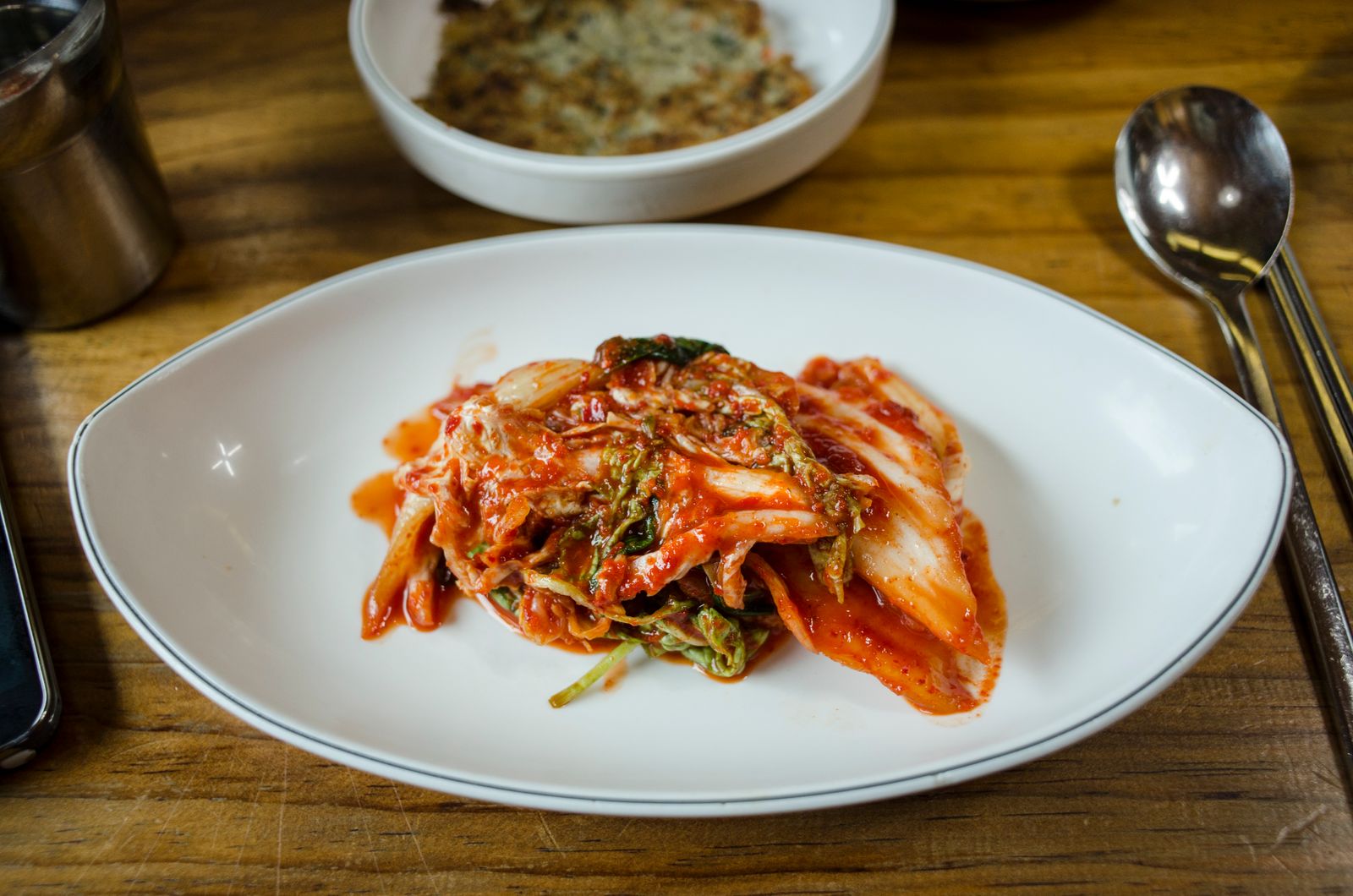
Dubu kimchi (두부김치) is one of Korea’s most loved drinking snacks and weeknight side dishes: slices of warm, soft tofu served next to kimchi that has been stir-fried—usually with pork—until glossy, tangy and slightly sweet. You pick up a piece of tofu, top it with kimchi and eat them together. It is simple, inexpensive and a great way to use up kimchi that has become too sour to eat raw.
This guide covers which kimchi and tofu to buy, what the stir-fry seasoning is made of, and how to make restaurant-style dubu kimchi in about 20 minutes.
Dubu Kimchi at a Glance
What it is
A dish of blanched or pan-fried tofu served with stir-fried kimchi (kimchi-bokkeum).Main ingredients
Well-fermented napa cabbage kimchi, firm tofu, pork belly or shoulder, onion, gochugaru, sugar, garlic and sesame oil.Taste
Tangy, savory and lightly sweet kimchi balanced by mild, creamy tofu.Main uses
Anju (food served with soju or makgeolli), banchan with rice, and easy weeknight dinners.
What is Dubu Kimchi Made Of?
Dubu kimchi has two parts. The tofu is cut into thick rectangles and either blanched in salted water (soft and clean-tasting) or pan-fried (golden and firmer). The kimchi-bokkeum is ripe kimchi stir-fried in pork fat or oil with a seasoning of sugar, gochugaru, garlic and a splash of kimchi juice, then finished with sesame oil and sesame seeds.
Types of Dubu Kimchi
- Pork dubu kimchi (dwaeji dubu kimchi): the classic pub version, with pork belly or shoulder stir-fried with the kimchi.
- Vegetarian dubu kimchi: kimchi stir-fried with onion and mushrooms only. Use vegan kimchi (no fish sauce or salted shrimp) for a fully plant-based dish.
- Canned tuna or Spam version: a quick home-style variation using pantry proteins.
What Does Dubu Kimchi Taste Like?
Stir-frying mellows kimchi’s sharp sourness and brings out a deeper, almost caramelized flavor. The small amount of sugar balances the acidity, and pork fat makes it rich and savory. On its own the kimchi is bold; the warm tofu is deliberately plain, cooling the spice and adding a soft, creamy texture. Together they taste balanced—which is why the dish works so well with drinks.
Popular Korean Dishes Related to Dubu Kimchi
Kimchi-bokkeum
Stir-fried kimchi on its own, served as a banchan or packed in lunch boxes.
Kimchi Jjigae
The same sour kimchi, pork and tofu—simmered into a stew instead. See our mukeunji (aged kimchi) guide for a full pork kimchi jjigae recipe.
Kimchi Bokkeumbap
Leftover kimchi-bokkeum is perfect for kimchi fried rice the next day.
Jeyuk Bokkeum
Spicy stir-fried pork, often ordered alongside dubu kimchi at Korean pubs. Learn more in our jeyuk sauce guide.
Easy Dubu Kimchi Recipe (Serves 2–3)
Ingredients
- 1 block (14–16 oz / 400–450 g) firm tofu
- 1½ cups well-fermented (sour) napa cabbage kimchi, cut into bite-size pieces, plus 2 tbsp kimchi juice
- 6 oz (170 g) pork belly or pork shoulder, thinly sliced
- ½ onion, sliced
- 1 green onion, sliced
- 1 tsp neutral oil
Stir-Fry Seasoning
- 1–2 tsp sugar (more if your kimchi is very sour)
- 1 tsp gochugaru
- 1 tsp minced garlic
- 1 tsp soy sauce
- 1 tbsp sesame oil and 1 tsp toasted sesame seeds, to finish
Instructions
- Cut the tofu in half lengthwise, then into ½-inch (1.5 cm) thick rectangles.
- Bring a pot of water with a pinch of salt to a gentle boil. Add the tofu and simmer for 3–4 minutes until heated through. Lift out carefully and drain. (Or pan-fry the slices in a little oil until golden on both sides.)
- Heat the oil in a skillet over medium-high heat. Add the pork and cook until the fat renders and the meat is no longer pink, reaching at least 145°F (63°C).
- Add the kimchi and onion and stir-fry for 4–5 minutes until the kimchi softens and turns slightly translucent.
- Add the kimchi juice, sugar, gochugaru, garlic and soy sauce. Stir-fry 2 more minutes until glossy and most of the liquid has cooked off.
- Turn off the heat, stir in the sesame oil and green onion, and sprinkle with sesame seeds.
- Arrange the tofu around the edge of a plate with the kimchi in the center. Serve warm.
Tip: The sourer the kimchi, the better this dish tastes—freshly made kimchi turns out flat and watery. If your kimchi is young, add a teaspoon of rice vinegar with the seasoning and cook it a little longer.
Where to Buy Ingredients for Dubu Kimchi
Look for napa cabbage kimchi labeled “mat kimchi” (cut kimchi) or “pogi kimchi” (whole cabbage) in the refrigerated section, and choose tofu labeled “firm” or “for frying” (buchimyong). Soft or silken tofu falls apart when sliced. If you buy fresh kimchi, leave it in the refrigerator for 1–2 weeks until it tastes clearly sour.
United States
As an Amazon Associate, I earn from qualifying purchases.
Amazon
Korean napa cabbage kimchi on Amazon
H-Mart
Kimchi at H-Mart
Canada
Europe
How to Store Dubu Kimchi
Leftover stir-fried kimchi keeps in an airtight container in the refrigerator for 3–4 days; reheat in a pan until hot. Tofu is best eaten fresh—store cooked tofu separately, covered, for up to 2 days. Unopened tofu should stay refrigerated; once opened, keep leftover raw tofu submerged in fresh water, change the water daily and use within 3 days. Opened kimchi should always be kept refrigerated and pressed under its own juice.
Dubu Kimchi FAQ
Is dubu kimchi served hot or cold?
Both parts are usually served warm: freshly blanched tofu and hot stir-fried kimchi.
Should I boil or fry the tofu?
Blanched tofu is the traditional pub style—soft and clean-tasting. Pan-fried tofu is firmer, holds its shape better and adds a nutty flavor. Both are correct.
Can I make dubu kimchi vegetarian?
Yes. Skip the pork, add mushrooms, and use vegan kimchi made without fish sauce or salted shrimp.
What drink goes with dubu kimchi?
It is a classic match for soju and makgeolli, but it is just as good with a bowl of rice.
Conclusion
Dubu kimchi turns two everyday Korean staples—sour kimchi and plain tofu—into a dish that is far more than the sum of its parts. Choose well-fermented kimchi and firm tofu, keep the seasoning simple, and you will have a warm, satisfying plate in minutes. To learn more about the main ingredient, read our guide to kimchi, and try leftover kimchi in our jeyuk bokkeum for another Korean pub favorite.
Leave a Reply