Introduction
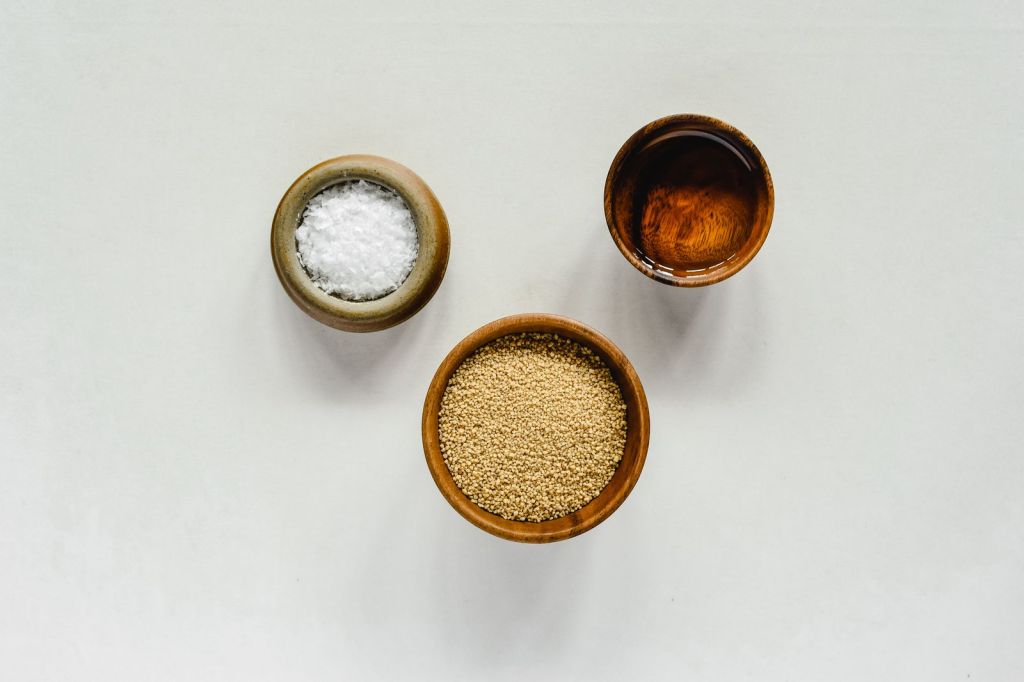
Korean sesame oil, called chamgireum (참기름) in Korean, is a fragrant oil made from roasted sesame seeds. It is widely used in Korean cooking to add a rich nutty flavor and aroma to many dishes.
A few drops can change the whole character of a dish, which is why almost every Korean kitchen keeps a bottle within reach.
Chamgireum at a Glance
- What it is: Korean toasted sesame oil
- Main ingredient: roasted sesame seeds, pressed for their oil
- Taste: strongly nutty and toasty with a rich aroma
- Used in: bibimbap, japchae, namul, marinades, dipping sauces and soups
What is Korean Sesame Oil Made Of?
Chamgireum is made from sesame seeds that are roasted and then pressed. Roasting is what gives the oil its deep amber color and strong aroma.
This is different from light or untoasted sesame oil, which is pale and mild and is used more like a regular cooking oil. When a Korean recipe calls for sesame oil, it almost always means the toasted kind.
Korean cooks also use deulgireum, perilla oil pressed from perilla seeds. It has an earthier, more herbal flavor and is a separate ingredient from sesame oil.
What Does Korean Sesame Oil Taste Like?
Korean sesame oil has a strong nutty aroma and a deep roasted flavor. Because the flavor is very rich, it is usually used in small amounts to enhance dishes.
How Koreans Use Sesame Oil
In Korean cuisine, sesame oil is often added at the end of cooking. It is commonly used in rice dishes, noodles, soups, and vegetable side dishes. It is also used for gentle sautéing, for example when browning beef and seaweed for miyeok-guk.
Popular Korean Dishes That Use Sesame Oil
Bibimbap (Korean Mixed Rice Dish)
Bibimbap is a Korean rice dish topped with vegetables, meat, and egg. Sesame oil is added before mixing the ingredients to enhance flavor, often together with a gochujang bibimbap sauce.
Japchae (Korean Glass Noodles)
Japchae is a stir-fried glass noodle dish mixed with vegetables and meat. Sesame oil gives the dish its signature aroma.
Namul (Korean Seasoned Vegetables)
Namul refers to Korean seasoned vegetable side dishes. Sesame oil is commonly mixed with vegetables like spinach or bean sprouts. The spinach version is below.
Easy Sigeumchi Namul Recipe (Serves 2–3)
Sigeumchi namul is a seasoned spinach side dish and one of the simplest ways to taste what good sesame oil does. It takes about 10 minutes.
Ingredients
- 1 bunch spinach (about 300 g / 10 oz), washed
- 1 tbsp Korean sesame oil
- 1 tsp minced garlic
- 1 tsp guk-ganjang (soup soy sauce) or 1/3 tsp salt, to taste
- 1 tsp toasted sesame seeds
- 1 green onion, finely chopped (optional)
Instructions
- Blanch. Bring a pot of salted water to a boil. Add the spinach and cook for about 30 seconds, just until wilted.
- Cool. Drain and rinse in cold water to stop the cooking.
- Squeeze. Gently squeeze out as much water as you can, then cut into 2–3 pieces.
- Season. Add the garlic, soy sauce or salt, sesame oil, sesame seeds and green onion. Mix gently with your fingers and taste.
Tip: Squeeze the spinach well before seasoning; extra water dilutes the sesame oil and makes the namul taste flat.
Where to Buy Korean Sesame Oil
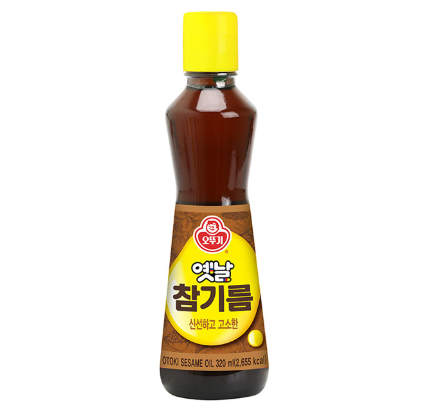
Look for “toasted sesame oil” or “pure sesame oil” from a Korean brand. Many Korean bottles are labeled “100% sesame oil”; blends mixed with other oils are milder.
United States
As an Amazon Associate, I earn from qualifying purchases.
Amazon
https://www.amazon.com/s?k=korean+sesame+oil
H-Mart
https://www.hmart.com/search?type=product&q=sesame oil
Weee! (online Asian grocery delivering in the United States)
https://www.sayweee.com
Canada
Amazon Canada
https://www.amazon.ca/s?k=korean+sesame+oil
H-Mart Canada
https://www.hmart.ca
Europe
Amazon UK
https://www.amazon.co.uk/s?k=korean+sesame+oil
How to Store Korean Sesame Oil
Sesame oil should be stored in a cool and dark place, away from the stove. Close the cap tightly after each use, because air, heat and light make the oil go rancid faster.
If you use it slowly, keeping the bottle in the refrigerator helps it stay fresh longer. It may turn slightly cloudy when cold, which is normal and clears at room temperature.
Korean Sesame Oil FAQ
Is Korean sesame oil different from regular sesame oil?
Korean sesame oil is toasted sesame oil, so it is darker and much more aromatic than light, untoasted sesame oil. Any good toasted sesame oil can be used in Korean recipes.
Can I cook with Korean sesame oil?
Yes, for gentle sautéing over medium heat. It is not a good choice for deep-frying or very high heat, which burns the flavor, so it is mostly used as a finishing oil.
How do I know if sesame oil has gone bad?
Rancid sesame oil smells sharp, bitter or like old paint instead of nutty. If the aroma is gone or smells off, replace the bottle.
What is the difference between chamgireum and deulgireum?
Chamgireum is sesame oil, while deulgireum is perilla oil made from perilla seeds. Perilla oil has an earthier, grassier flavor and is popular in namul and some noodle dishes.
Conclusion
Chamgireum, Korean toasted sesame oil, is a small ingredient with a big impact. A spoonful finishes bibimbap, japchae and namul with the nutty aroma that makes them taste Korean. Start with the easy sigeumchi namul above, then use it in japchae or a gochujang bibimbap sauce.


Leave a Reply